With Props (1)
Supported Bridge Pose
Setu Bandhasana with Bolster · सेतु बन्धासन बोल्स्टर
Also known as: Bridge with Bolster · Restorative Bridge
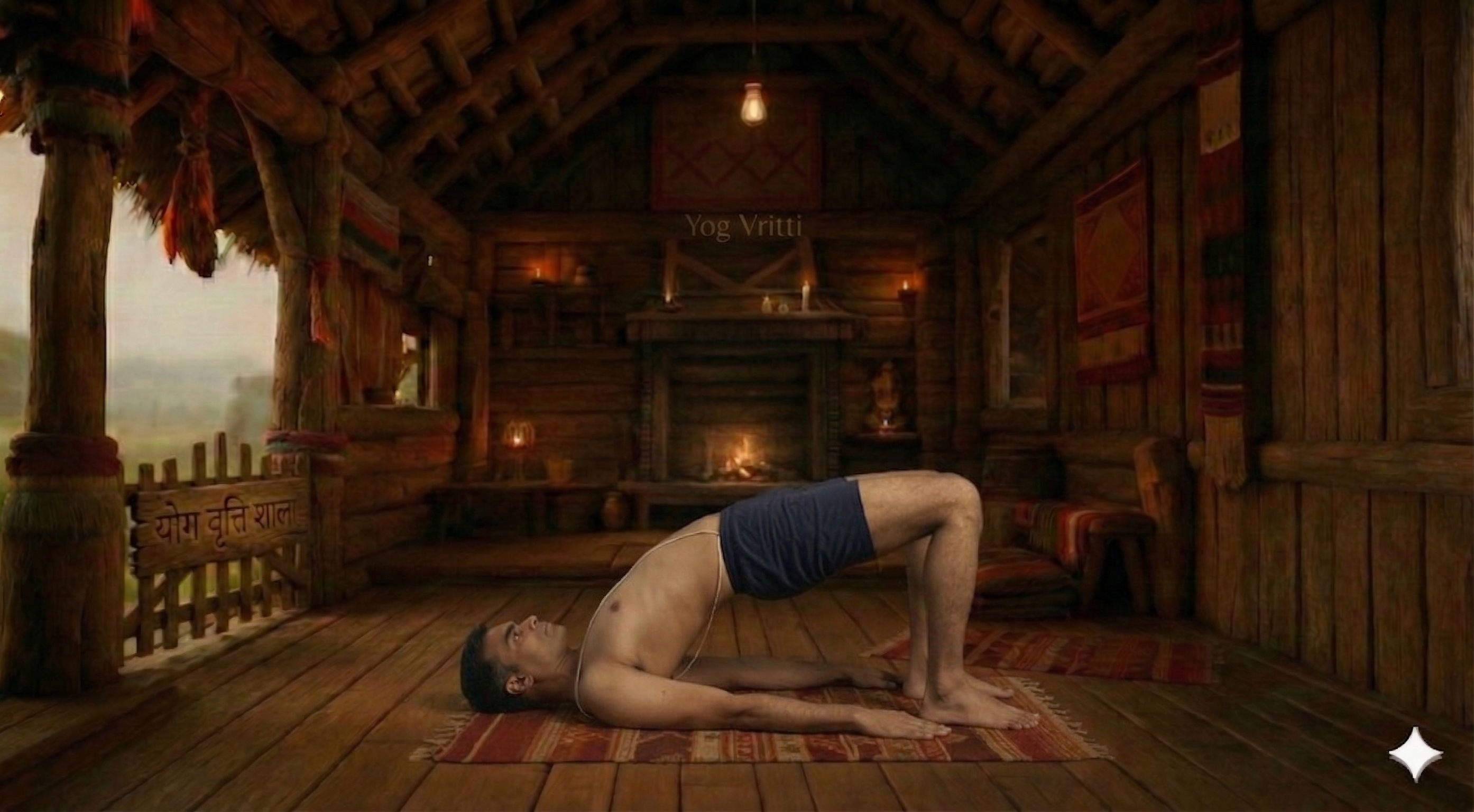
Supported Bridge Pose, also called Bridge with Bolster is a classical yoga posture. Its Sanskrit name Setu Bandhasana with Bolster translates word-for-word as: Setu (Bridge) · Bandhasana (Bandhasana) · Asana (Pose). In this posture, the body releases into the support of the floor, allowing gravity to assist. The posture works to open the chest and stretch the hip flexors. Opens chest and hip flexors. Deeply calming. It is particularly valued for alleviating back discomfort and quieting an anxious mind. Suitable for beginners and regular practitioners alike, it is deeply restorative when held with support, particularly beneficial for beginners and seniors. A bolster can be used to make the posture more accessible and support correct alignment.
Anatomy Involved
Benefits
Buttocks (Glutes)(releasing)
In the active Bridge Pose, the glutes engage powerfully to lift and sustain the hips. Here, with the bolster providing primary support beneath the sacrum, the glutes are largely relieved of this lifting duty. They are encouraged to soften and release, allowing the pelvis to settle into the support rather than actively contract, promoting deep relaxation in the posterior chain.
Back of Thighs (Hamstrings)(releasing)
While hamstrings are key synergists in the active Bridge Pose, working to extend the hip and flex the knee, their role shifts dramatically in this supported variation. They are no longer required for sustained muscular effort to elevate the hips. Instead, they are allowed to release and lengthen, contributing to the overall sense of ease and reducing tension through the back of the legs.
Spinal Erectors (Back Muscles)(lengthening)
In the active Bridge, the spinal erectors engage concentrically to create and maintain the arch of the spine. Here, the bolster supports the sacrum, and the spine gently extends over this support, allowing the spinal erector muscles to lengthen passively. This sustained, gentle lengthening without active work promotes release of tension along the entire posterior spine, creating space and mobility.
- Full anatomical benefits — muscles, joints, organs →
Avoid If
Neck Injury / Cervical Issues
Looking up, bearing head weight, or unsupported neck rotation can compress cervical vertebrae and irritate nerves.
Do not allow the head to drop back unsupported; keep the chin slightly tucked and look forward rather than up.
Props That Can Help
Optional supports — use when helpful, not required
Bolster
A bolster placed lengthwise along the spine creates a gentle, fully supported backbend — ideal for restorative practice and chest opening.
Common Mistakes to Avoid
Teaching Cues
For yoga teachers — verbal cues to guide students
6 cues
Teaching Cues
For yoga teachers — verbal cues to guide students
- 1Press the back of the head gently into the floor
- 2Keep the lower back in its natural curve
- 3Relax the shoulders away from the ears
- 4Soften the facial muscles and jaw
- 5Breathe deeply into the belly
- 6Surrender the weight of the body to the props and the floor
Pose Details
Helps With
Pose Type
Body Focus
Focus Areas
Best For
Yoga Styles
When to Practice
Position
Target Areas
Practice Flow

How to Practice
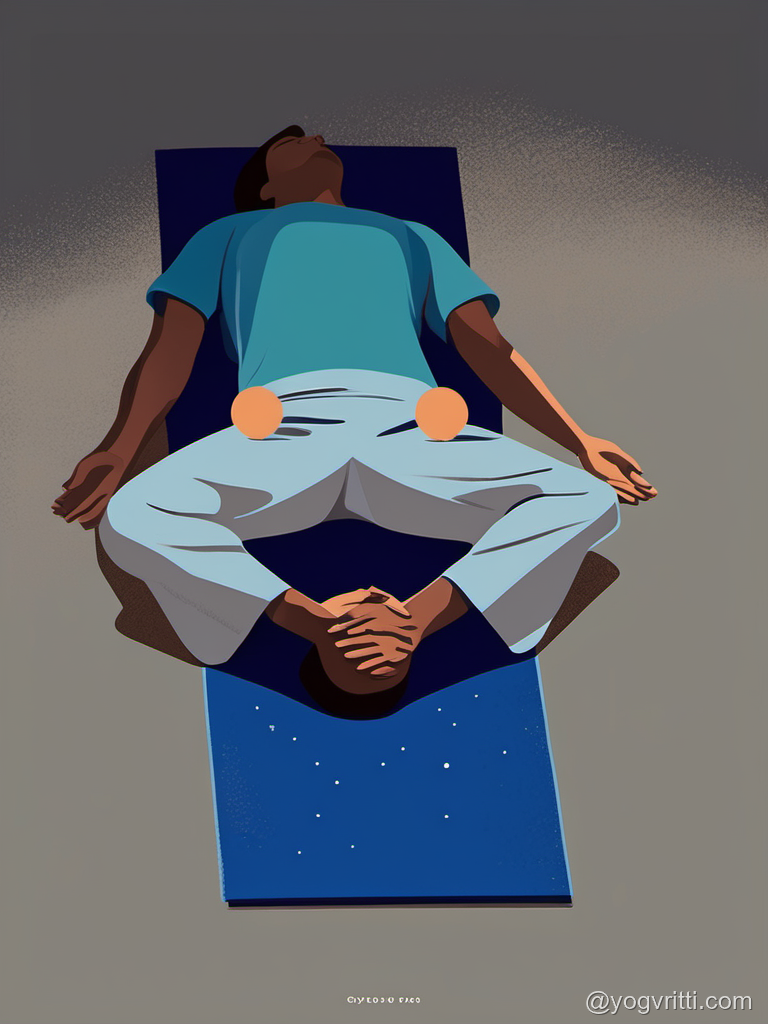
1. Prepare bolster.
2. Lie on back, knees bent.
3. Lift hips.
4. Slide bolster under hips/sacrum.
5. Rest hips on bolster — body weight on bolster.
5 more steps remaining
Register free to see the complete instructions
Register Free to ContinueAlready registered? Login
Frequently Asked Questions
Common questions about Setu Bandhasana with Bolster
What is Supported Bridge Pose?
Supported Bridge Pose, also called Bridge with Bolster is a classical yoga posture. Its Sanskrit name Setu Bandhasana with Bolster translates word-for-word as: Setu (Bridge) · Bandhasana (Bandhasana) · Asana (Pose). In this posture, the body releases into the support of the floor, allowing gravity to assist. The posture works to open the chest and stretch the hip flexors. Opens chest and hip flexors. Deeply calming. It is particularly valued for alleviating back discomfort and quieting an anxious mind. Suitable for beginners and regular practitioners alike, it is deeply restorative when held with support, particularly beneficial for beginners and seniors. A bolster can be used to make the posture more accessible and support correct alignment.
What are the benefits of Supported Bridge Pose?
Effortless backbend. Opens chest and hip flexors. Deeply calming. Can hold for extended time. Therapeutic for fatigue.
Who should avoid Supported Bridge Pose?
Avoid this pose if you have: Neck injuries.
How many steps are in Supported Bridge Pose?
Supported Bridge Pose is practiced in 10 steps. Prepare bolster.
Is Supported Bridge Pose suitable for beginners?
Yes, Supported Bridge Pose is a beginner-friendly pose suitable for all levels.
What props are needed for Supported Bridge Pose?
You may use: bolster. Props make the pose more accessible and comfortable.
What conditions does Supported Bridge Pose help with?
Supported Bridge Pose is therapeutic for: back pain, anxiety, insomnia, depression.
What poses should I do before Supported Bridge Pose?
Prepare with: Bridge Pose, Supta Tadasana, Supported Setu Bandha Sarvangasana, Bhujangasana (with Bolster Support). These warm up the relevant muscles and joints.
Build Your Own Sequence
Combine Setu Bandhasana with Bolster with other poses