Horse Face Pose
Vatayanasana · वातायनासन
Also known as: Vatayanasana · Half Lotus Horse
Horse Face Pose, also called Vatayanasana is a classical yoga posture. Its Sanskrit name Vatayanasana translates word-for-word as: Vatayan (Horse / Window) · Asana (Pose). From a standing position, the body roots firmly through the feet while the spine extends upward. The posture works to strengthen the quadriceps, open and strengthen the shoulders and engage the core. Develops concentration. Hip and shoulder flexibility together. It is particularly valued for developing greater flexibility. Suitable for advanced practitioners with developed body awareness, it is a meaningful addition to any practice. Practitioners with knee injury and hip injury should approach with care or consult a qualified teacher.
Anatomy Involved
Benefits
Deep Hip Rotators (of the half-lotus leg)(lengthening)
These small, yet powerful muscles, tucked deep beneath the glutes, are subjected to a profound and sustained lengthening as the thigh is drawn into deep external rotation for ardha padmasana. This patient unwinding releases chronic tension often held from prolonged sitting or repetitive movements, which can alleviate sciatic nerve discomfort. Yogically, this release in the pelvic bowl helps to free apana vayu, promoting a sense of groundedness and energetic flow through the lower limbs, often described as 'unsticking' the hips.
Quadriceps (of the standing leg)(strengthening)
The muscles at the front of your standing thigh work intensely to stabilize the knee and maintain the integrity of the leg bearing your entire body weight. They engage dynamically to counteract micro-movements, continually firing to keep you upright and steady in this challenging balance. This constant, subtle engagement builds powerful, intelligent strength in the leg, fostering a feeling of unwavering support and 'rootedness' that extends from the earth upwards, cultivating sthira (steadiness) in the pose.
Gluteus Medius & Minimus (of the standing leg)(stabilizing)
Located on the outer side of your hip, these muscles are crucial for pelvic stability, preventing the standing hip from collapsing inwards or tilting excessively. They continuously work to abduct and stabilize the femur, ensuring your pelvis remains level and aligned despite the load. This deep, intrinsic stabilization cultivates a profound sense of inner equilibrium, translating into greater confidence and a calm mind even amidst physical complexity, anchoring your awareness in the present moment.
- Full anatomical benefits — muscles, joints, organs →
Avoid If
Knee Injury
Deep flexion or rotation at the knee can strain ligaments, meniscus, or cartilage, especially in a compromised joint.
Do not allow the knee to travel beyond the ankle; keep weight evenly distributed and use a block under the hand for support.
Hip Injury
Deep hip flexion, external rotation, or weight-bearing can aggravate labral tears, impingement, or bursitis.
Do not force the hip into deep external rotation; keep the foot turned out only as far as is pain-free.
Shoulder Injury
Overhead loading and extreme shoulder rotation can impinge the subacromial space and overload rotator cuff tendons.
Keep the arm below shoulder height, avoid full overhead extension, and use a block to reduce reach.
Ankle Injury
Unstable or injured ankle joints can be overstressed by weight-bearing, extreme dorsiflexion, or plantar flexion.
Place a folded blanket under the ankle to cushion it, or practise a seated version of the pose.
Common Mistakes to Avoid
Teaching Cues
For yoga teachers — verbal cues to guide students
7 cues
Teaching Cues
For yoga teachers — verbal cues to guide students
- 1Ground firmly through all four corners of both feet
- 2Engage the quadriceps by lifting the kneecaps
- 3Lengthen the spine from the tailbone to the crown of the head
- 4Draw the shoulder blades down and back
- 5Maintain steady, even breathing throughout
- 6Allow the hip joints to open gradually — never force
- 7Fix the gaze on a steady point (drishti) for balance
Pose Details
Helps With
Pose Type
Body Focus
Focus Areas
Yoga Styles
When to Practice
Position
Target Areas
Practice Flow

How to Practice
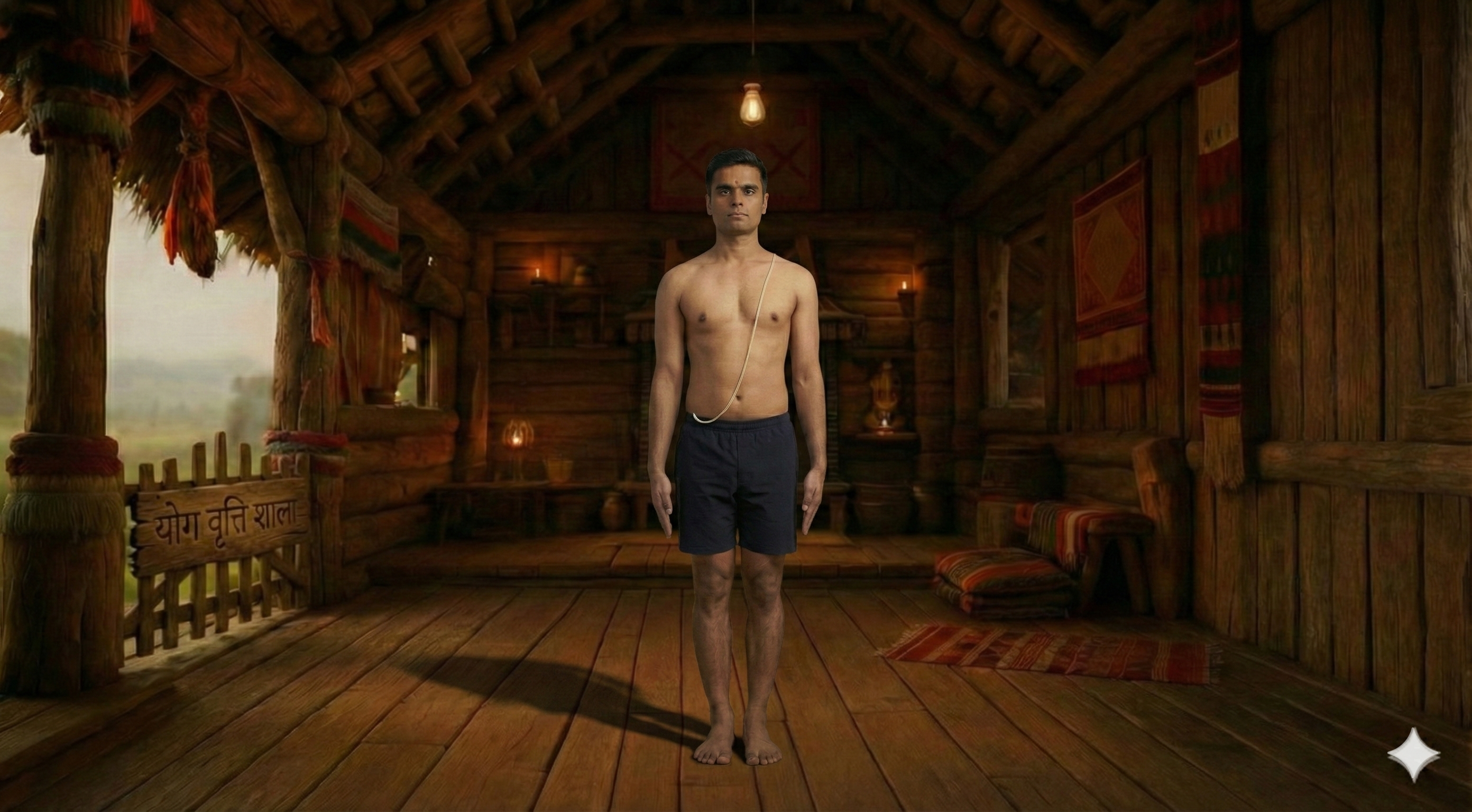
1. Stand in Tadasana.
2. Place right foot in half lotus — right foot on left thigh.
3. Balance on the left foot.
4. Exhale, bend the left knee — lower down.
5. Left knee on or near the floor.
5 more steps remaining
Register free to see the complete instructions
Register Free to ContinueAlready registered? Login
Frequently Asked Questions
Common questions about Vatayanasana
What is Horse Face Pose?
Horse Face Pose, also called Vatayanasana is a classical yoga posture. Its Sanskrit name Vatayanasana translates word-for-word as: Vatayan (Horse / Window) · Asana (Pose). From a standing position, the body roots firmly through the feet while the spine extends upward. The posture works to strengthen the quadriceps, open and strengthen the shoulders and engage the core. Develops concentration. Hip and shoulder flexibility together. It is particularly valued for developing greater flexibility. Suitable for advanced practitioners with developed body awareness, it is a meaningful addition to any practice. Practitioners with knee injury and hip injury should approach with care or consult a qualified teacher.
What are the benefits of Horse Face Pose?
Complex multi-joint opening. Develops concentration. Hip and shoulder flexibility together.
Who should avoid Horse Face Pose?
Avoid this pose if you have: Knee injuries, Hip injuries, Shoulder injuries, Ankle injuries.
How many steps are in Horse Face Pose?
Horse Face Pose is practiced in 10 steps. Stand in Tadasana.
Is Horse Face Pose suitable for beginners?
Horse Face Pose is an advanced-level pose. Beginners should practice with props or under guidance.
What conditions does Horse Face Pose help with?
Horse Face Pose is therapeutic for: flexibility, balance.
What poses should I do before Horse Face Pose?
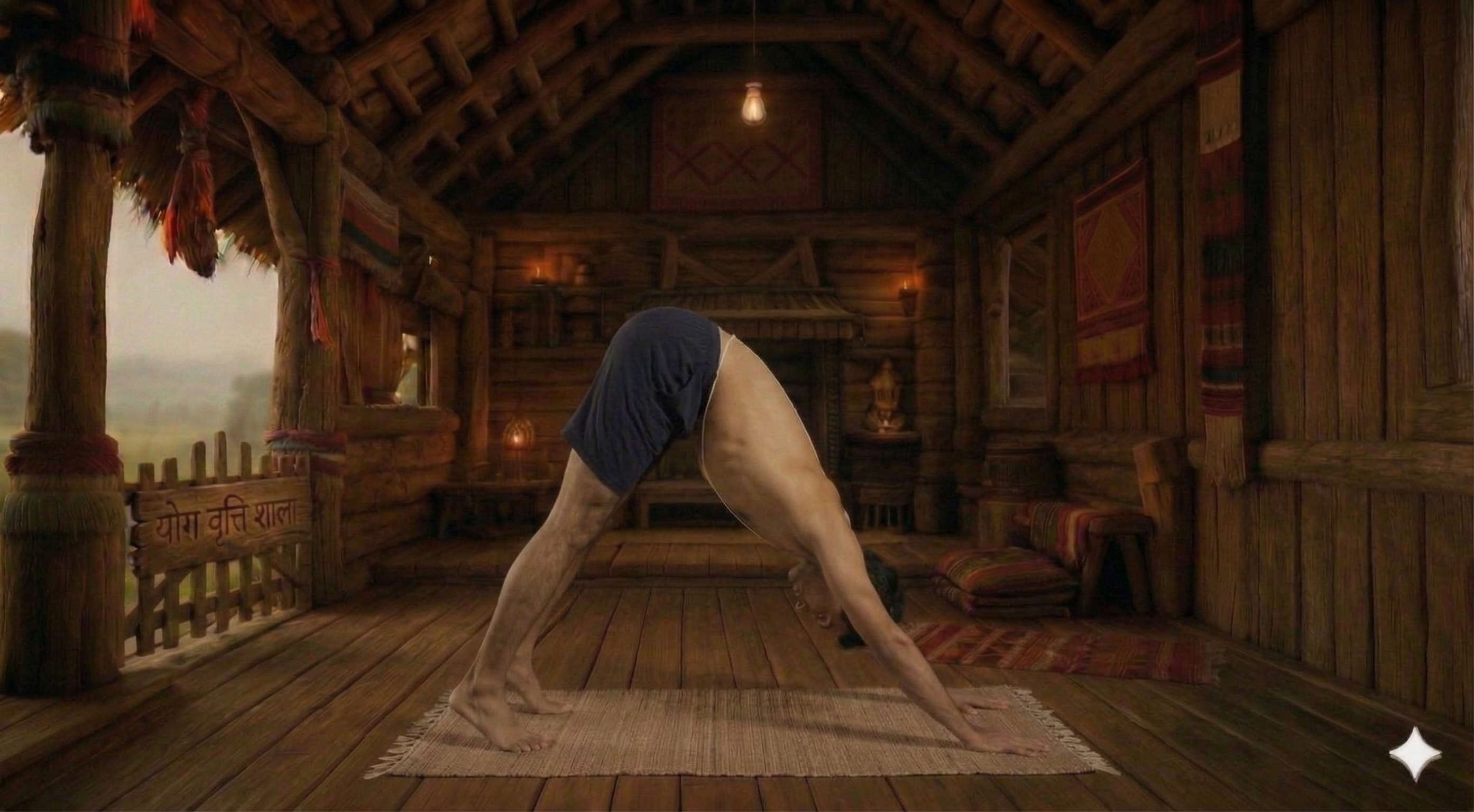
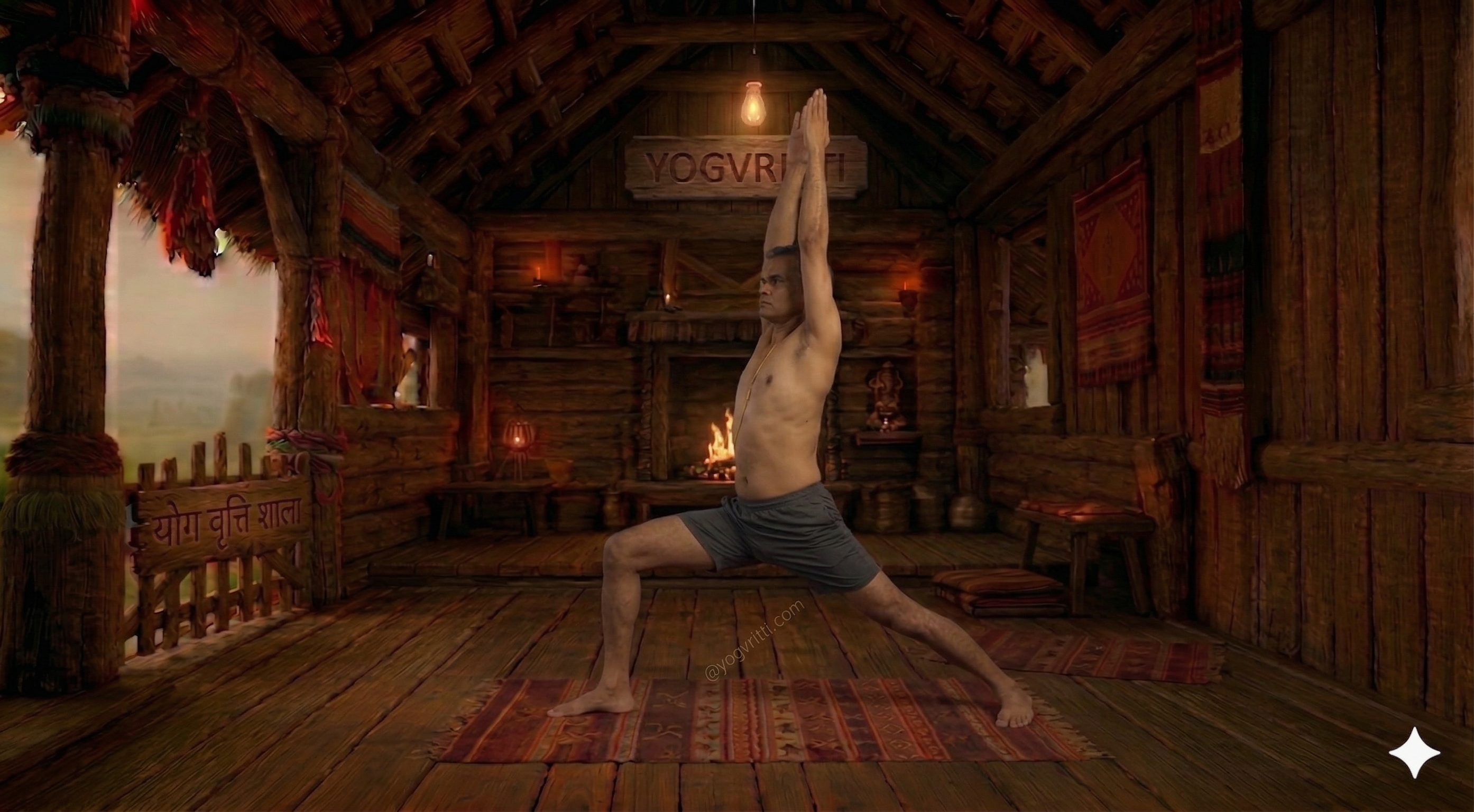
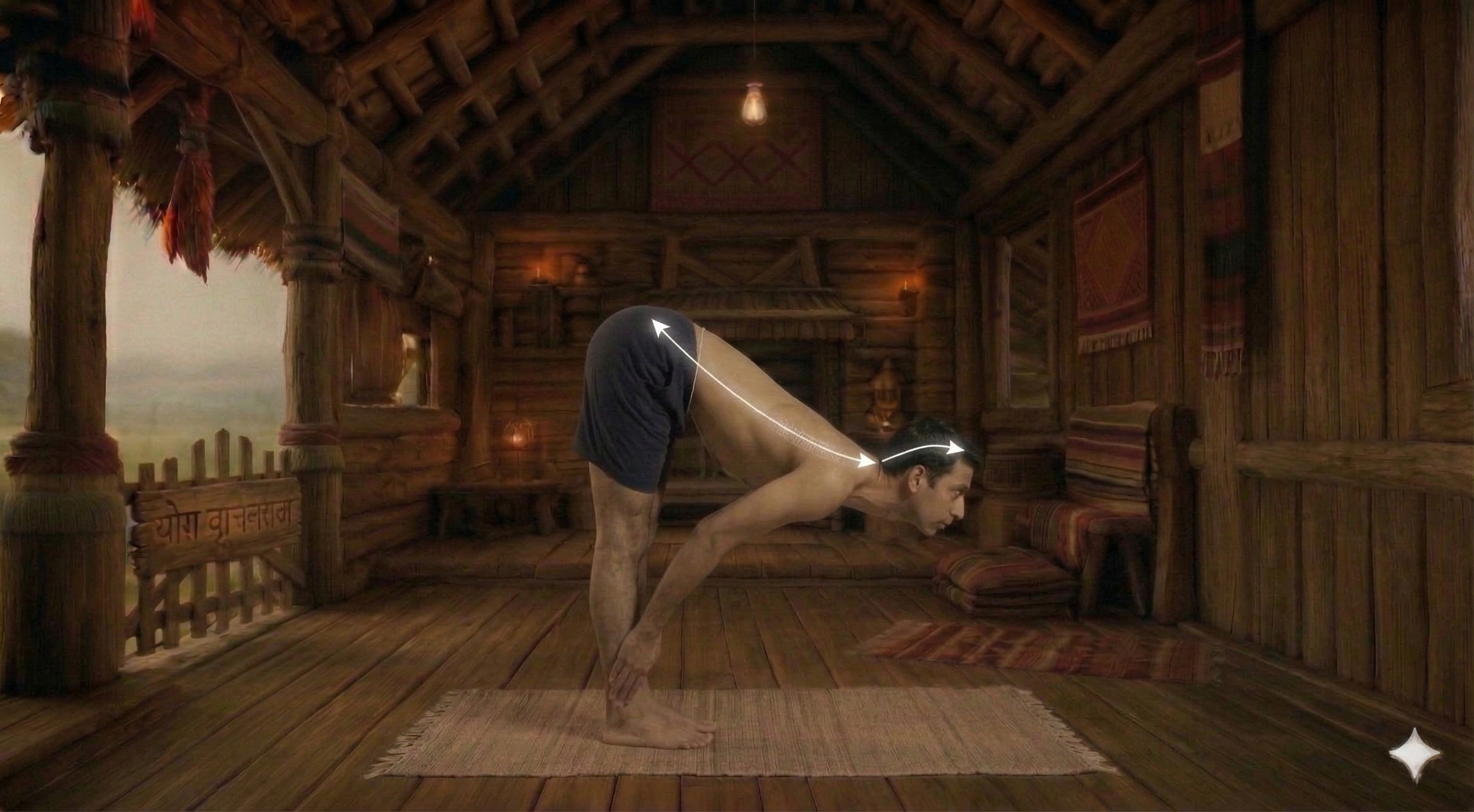
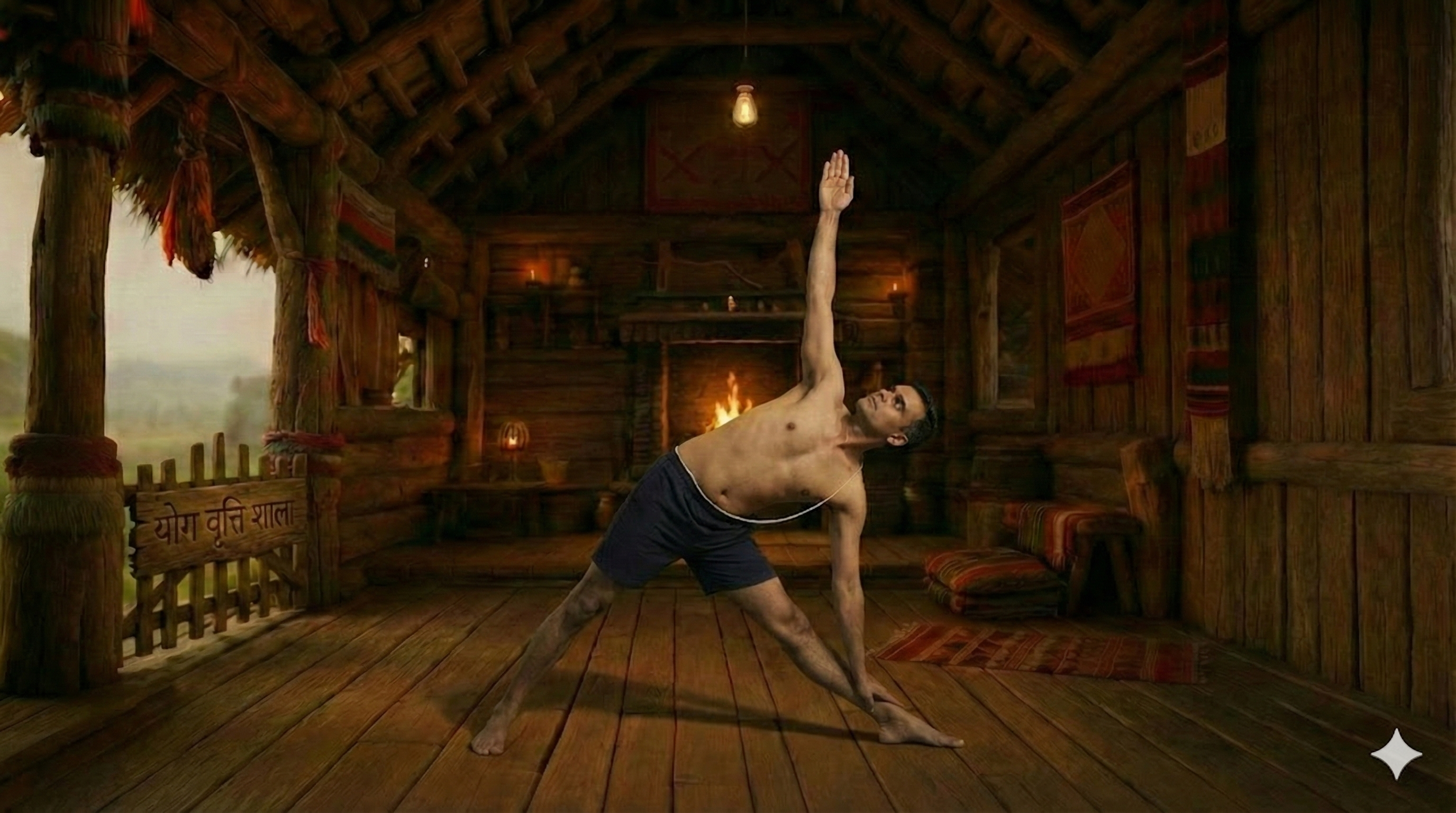
Prepare with: Tadasana, Adho Mukha Svanasana, Standing Forward Bend, Warrior I. These warm up the relevant muscles and joints.
Related Poses
Similar poses you might enjoy

Build Your Own Sequence
Combine Vatayanasana with other poses