Root Lock Pose
Mulabandhasana · मूलबन्धासन
Also known as: Mulabandhasana · Mula Bandha Seat
Root Lock Pose, also called Mulabandhasana is a classical yoga posture. Its Sanskrit name Mulabandhasana translates word-for-word as: Mula (Root) · Bandha (Lock) · Asana (Pose). In this posture, the body grounds through the sit bones while the spine rises tall. The posture works to tone the inner thighs and stabilise the ankles. Stimulates Muladhara Chakra. Extraordinary hip opening. It is particularly valued for developing greater flexibility. Suitable for advanced practitioners with developed body awareness, it is particularly invigorating in a morning routine. Practitioners with knee injury and ankle injury should approach with care or consult a qualified teacher.
Anatomy Involved
Benefits
Pelvic Floor Muscles(activating)
The muscles forming the floor of your pelvis (levator ani and coccygeus) are directly engaged and lifted in Mulabandhasana due to the specific pressure of the heels against the perineum. This conscious engagement strengthens the entire pelvic diaphragm, improving support for the internal organs and enhancing core stability. From a yogic perspective, this is the activation of Mula Bandha, the Root Lock, which is crucial for retaining and directing prana upwards, giving a powerful feeling of energetic containment and stability at the base of the spine.
Inner Thigh Muscles(lengthening)
The muscles on the inside of your thighs (adductor group) are intensely stretched and opened in this deep internal rotation of the hips. As you draw your feet in and press them against the perineum, these muscles are asked to release and lengthen beyond their usual range of motion. This deep, sustained stretch helps to release stored tension, which often restricts hip mobility, and from a yogic perspective, it helps to free the energy channels (nadis) running through the inner thighs, promoting a sense of openness and fluidity in the lower limbs.
Deep Hip Rotators(activating)
The small but powerful muscles deep in your buttocks and hips (deep hip rotators) are actively engaged to facilitate the profound internal rotation required to bring the heels to the perineum. While some of these muscles are lengthening, others are contracting eccentrically to stabilize this extreme rotation, creating a deep sensation of opening and integration within the hip joint. This precise engagement helps to release chronic tension patterns often held in these muscles, allowing for greater freedom in the hips and cultivating a deep, stable connection to the earth (prithvi tattva).
- Full anatomical benefits — muscles, joints, organs →
Avoid If
Knee Injury
Deep flexion or rotation at the knee can strain ligaments, meniscus, or cartilage, especially in a compromised joint.
Sit on a folded blanket to reduce the angle of knee flexion; never force the knee into Lotus without full range of motion.
Ankle Injury
Unstable or injured ankle joints can be overstressed by weight-bearing, extreme dorsiflexion, or plantar flexion.
Avoid full weight-bearing on the injured ankle; use a blanket for cushioning or switch to a seated alternative.
Hip Injury
Deep hip flexion, external rotation, or weight-bearing can aggravate labral tears, impingement, or bursitis.
Sit on a folded blanket or bolster to reduce the depth of hip flexion and external rotation.
Common Mistakes to Avoid
Teaching Cues
For yoga teachers — verbal cues to guide students
6 cues
Teaching Cues
For yoga teachers — verbal cues to guide students
- 1Sit on the front edge of your sitting bones
- 2Lengthen the spine upward on each inhalation
- 3Keep the chest lifted and shoulders relaxed
- 4Ground down through the sitting bones
- 5Maintain an elongated spine — avoid rounding the back
- 6Allow the hip joints to open gradually — never force
Pose Details
Helps With
Pose Type
Body Focus
Focus Areas
Yoga Styles
When to Practice
Position
Target Areas
Practice Flow

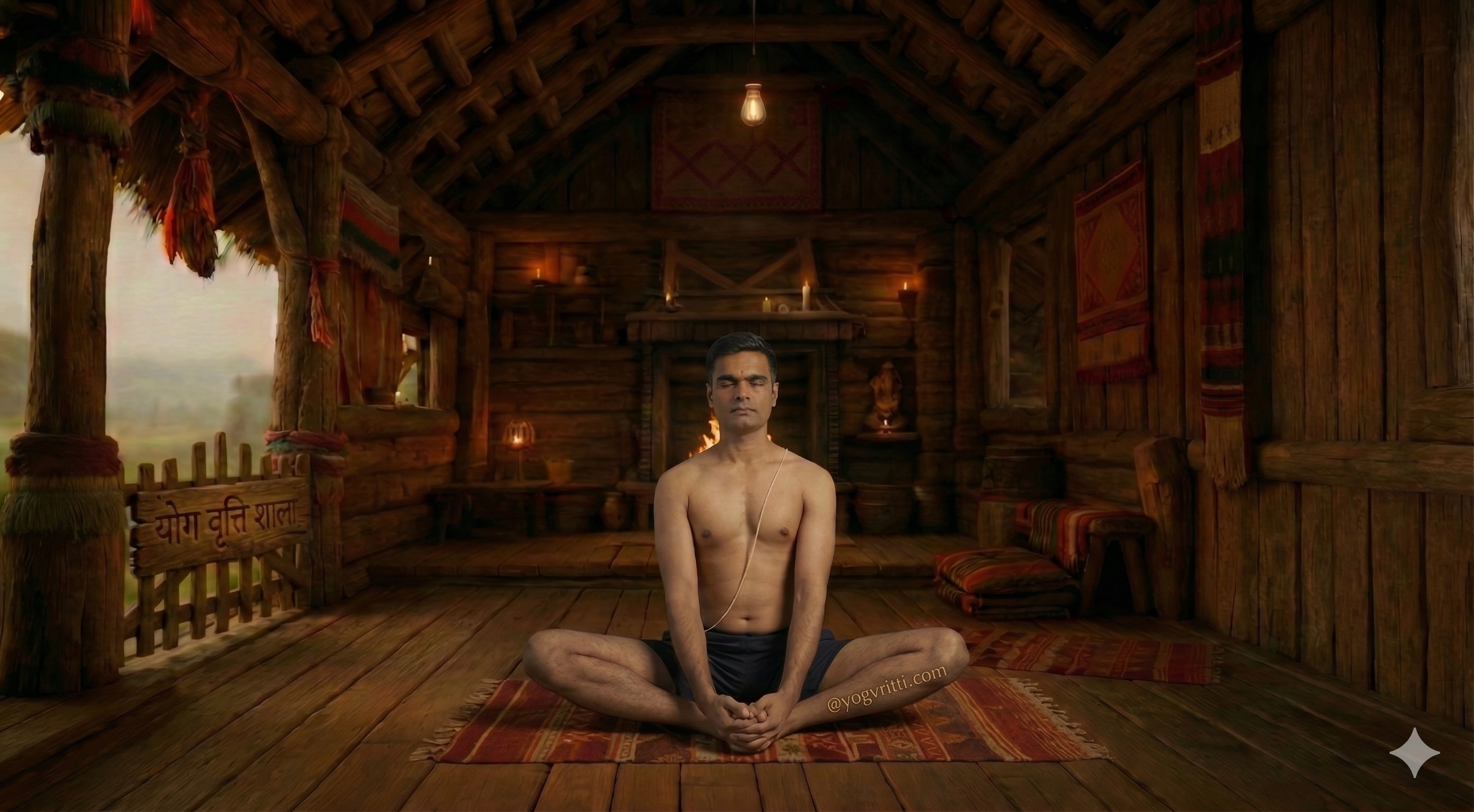
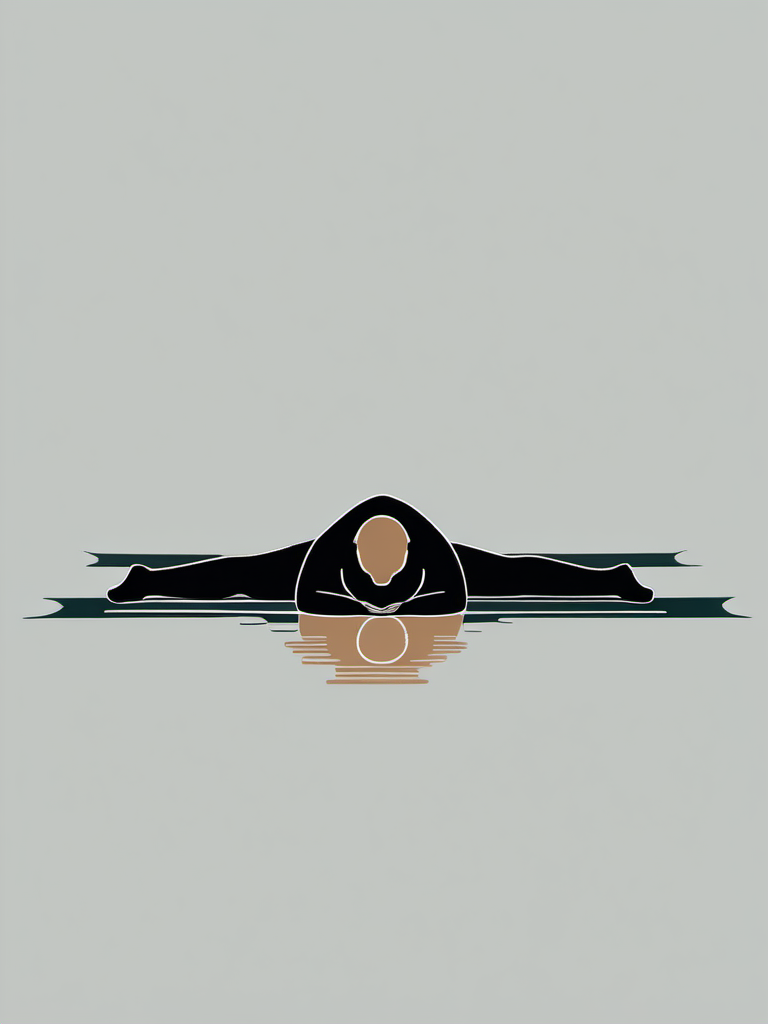
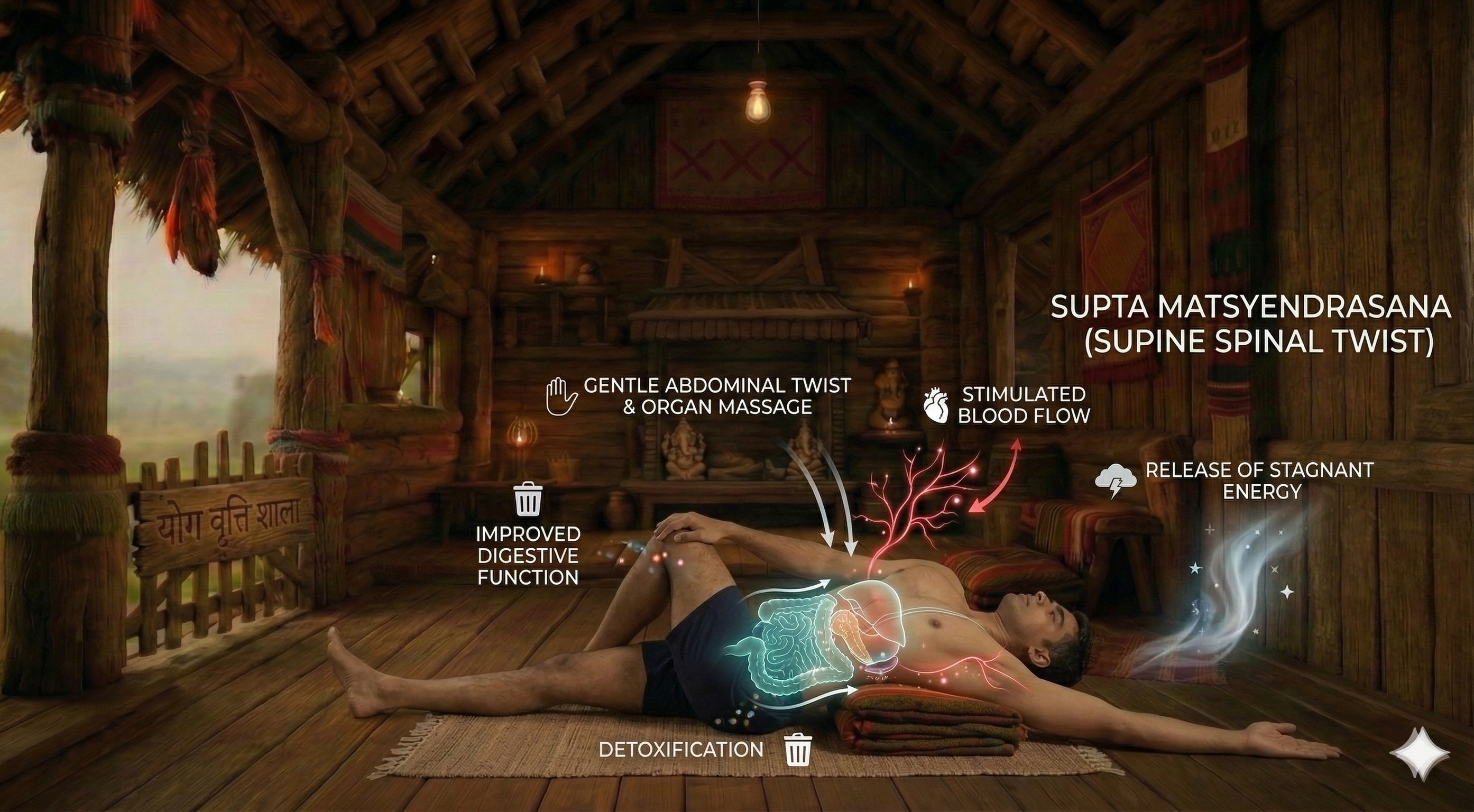
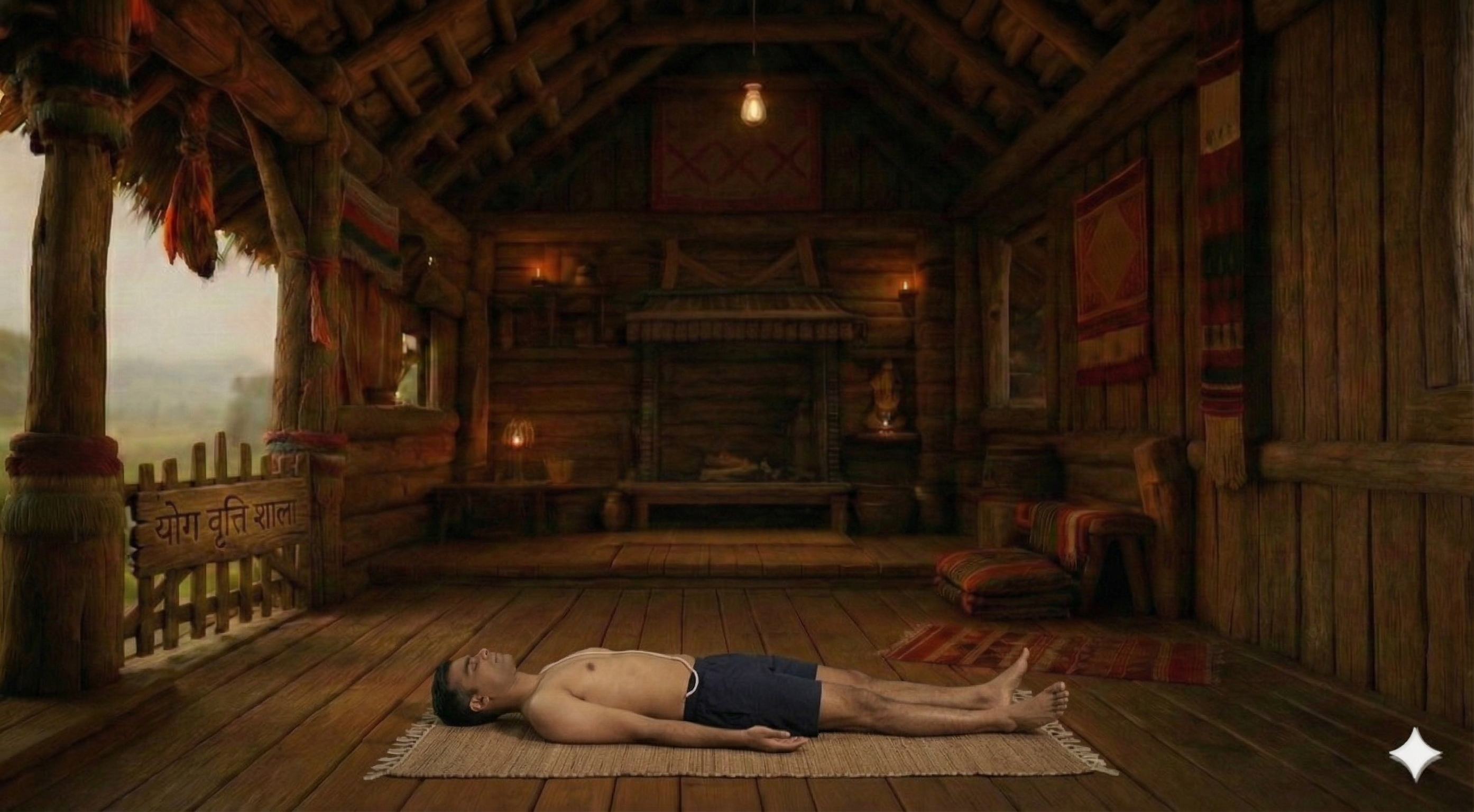
How to Practice
1. Sit in Vajrasana.
2. Widen the knees.
3. Turn the soles of both feet upward — heels out, toes turning inward.
4. Position feet so the soles press against the perineum (Muladhara area).
5. This requires extremely deep hip rotation.
5 more steps remaining
Register free to see the complete instructions
Register Free to ContinueAlready registered? Login
Frequently Asked Questions
Common questions about Mulabandhasana
What is Root Lock Pose?
Root Lock Pose, also called Mulabandhasana is a classical yoga posture. Its Sanskrit name Mulabandhasana translates word-for-word as: Mula (Root) · Bandha (Lock) · Asana (Pose). In this posture, the body grounds through the sit bones while the spine rises tall. The posture works to tone the inner thighs and stabilise the ankles. Stimulates Muladhara Chakra. Extraordinary hip opening. It is particularly valued for developing greater flexibility. Suitable for advanced practitioners with developed body awareness, it is particularly invigorating in a morning routine. Practitioners with knee injury and ankle injury should approach with care or consult a qualified teacher.
What are the benefits of Root Lock Pose?
Activates pelvic floor muscles deeply. Stimulates Muladhara Chakra. Extraordinary hip opening. Strengthens ankles.
Who should avoid Root Lock Pose?
Avoid this pose if you have: Knee injuries, Ankle injuries, Hip injuries, Not for beginners.
How many steps are in Root Lock Pose?
Root Lock Pose is practiced in 10 steps. Sit in Vajrasana.
Is Root Lock Pose suitable for beginners?
Root Lock Pose is an advanced-level pose. Beginners should practice with props or under guidance.
What conditions does Root Lock Pose help with?
Root Lock Pose is therapeutic for: flexibility.
What poses should I do before Root Lock Pose?
Prepare with: Staff Pose, Baddha Konasana, Upavistha Konasana. These warm up the relevant muscles and joints.
Related Poses
Similar poses you might enjoy
Build Your Own Sequence
Combine Mulabandhasana with other poses