Alternate Nostril Breathing
Nadi Shodhana Pranayama · नाड़ी शोधन प्राणायाम
Also known as: Nadi Shodhana Pranayama · Channel Purification Breath
Alternate Nostril Breathing, also called Nadi Shodhana Pranayama is a classical yoga posture. Its Sanskrit name Nadi Shodhana Pranayama translates word-for-word as: Nadi (Energy Channel) · Shodhana (Purification). In this posture, the body grounds through the sit bones while the spine rises tall. Calms the nervous system. Balances left/right brain. Reduces anxiety and stress. It is particularly valued for quieting an anxious mind and supporting restful sleep. Suitable for beginners and regular practitioners alike, it is particularly invigorating in a morning routine, particularly beneficial for beginners and seniors.
Anatomy Involved
Benefits
Diaphragm(activating)
The diaphragm is a dome-shaped muscle located at the base of the rib cage, separating the chest cavity from the abdomen. In Nadi Shodhana, we consciously engage and release this muscle to create deep, rhythmic belly breaths, which is its primary function in respiration. This mindful activation strengthens the diaphragm, improving lung capacity and promoting efficient gas exchange at the alveolar level. Yogically, this deep breathing cultivates an expansive feeling of prana in the lower lobes of the lungs, grounding the energy and calming the nervous system.
Intercostal muscles(activating)
These small muscles are situated between your ribs, playing a crucial role in expanding and contracting the rib cage during breathing. During the controlled, extended inhalations and exhalations of Nadi Shodhana, the external intercostals gently lift and expand the rib cage, while the internal intercostals assist in a smooth, controlled exhalation. This conscious engagement enhances the mobility of the rib cage, allowing for fuller lung expansion and supporting the free flow of prana (life force) throughout the torso. The increased oxygen intake and release of carbon dioxide contribute to a feeling of lightness and mental clarity.
- Full anatomical benefits — muscles, joints, organs →
Avoid If
Severe Anxiety
Breath retention and intense pranayama can heighten autonomic arousal and increase panic in highly anxious individuals.
Focus on long, smooth exhalations to activate the parasympathetic nervous system; avoid breath retention until the system has stabilised.
Common Mistakes to Avoid
Teaching Cues
For yoga teachers — verbal cues to guide students
6 cues
Teaching Cues
For yoga teachers — verbal cues to guide students
- 1Sit on the front edge of your sitting bones
- 2Lengthen the spine upward on each inhalation
- 3Keep the chest lifted and shoulders relaxed
- 4Ground down through the sitting bones
- 5Maintain an elongated spine — avoid rounding the back
- 6Surrender the weight of the body to the props and the floor
Pose Details
Helps With
Pose Type
Body Focus
Focus Areas
Best For
Yoga Styles
When to Practice
Position
Modify If You Have
anxiety
Skip the breath retention. Just alternate inhale-exhale.
Target Areas
Practice Flow

How to Practice
1. Sit in Sukhasana, spine straight.
2. Left hand on left knee (Jnana Mudra).
3. Right hand — Vishnu Mudra (thumb, ring finger, little finger).
4. Close right nostril with right thumb.
5. Inhale through left nostril (4 counts).
5 more steps remaining
Register free to see the complete instructions
Register Free to ContinueAlready registered? Login
Frequently Asked Questions
Common questions about Nadi Shodhana Pranayama
What is Alternate Nostril Breathing?
Alternate Nostril Breathing, also called Nadi Shodhana Pranayama is a classical yoga posture. Its Sanskrit name Nadi Shodhana Pranayama translates word-for-word as: Nadi (Energy Channel) · Shodhana (Purification). In this posture, the body grounds through the sit bones while the spine rises tall. Calms the nervous system. Balances left/right brain. Reduces anxiety and stress. It is particularly valued for quieting an anxious mind and supporting restful sleep. Suitable for beginners and regular practitioners alike, it is particularly invigorating in a morning routine, particularly beneficial for beginners and seniors.
What are the benefits of Alternate Nostril Breathing?
Calms the nervous system. Balances left/right brain. Reduces anxiety and stress. Prepares for meditation. Improves respiratory function. Lowers heart rate.
Who should avoid Alternate Nostril Breathing?
Avoid this pose if you have: Cold/blocked nose (skip retention), Severe anxiety (skip retention initially).
How many steps are in Alternate Nostril Breathing?
Alternate Nostril Breathing is practiced in 10 steps. Sit in Sukhasana, spine straight.
Is Alternate Nostril Breathing suitable for beginners?
Yes, Alternate Nostril Breathing is a beginner-friendly pose suitable for all levels.
What conditions does Alternate Nostril Breathing help with?
Alternate Nostril Breathing is therapeutic for: anxiety, insomnia, hypertension, depression, migraine.
What poses should I do before Alternate Nostril Breathing?
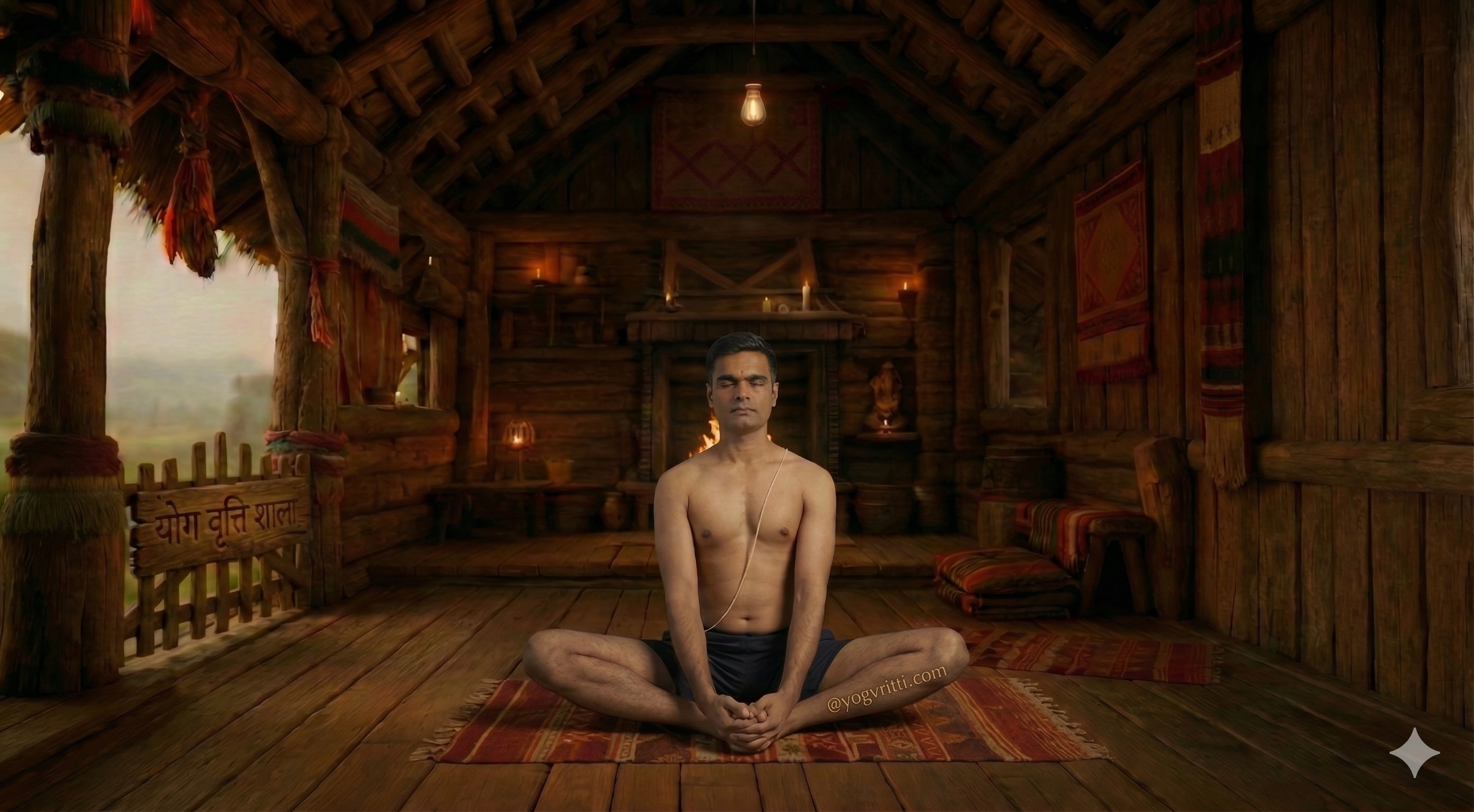
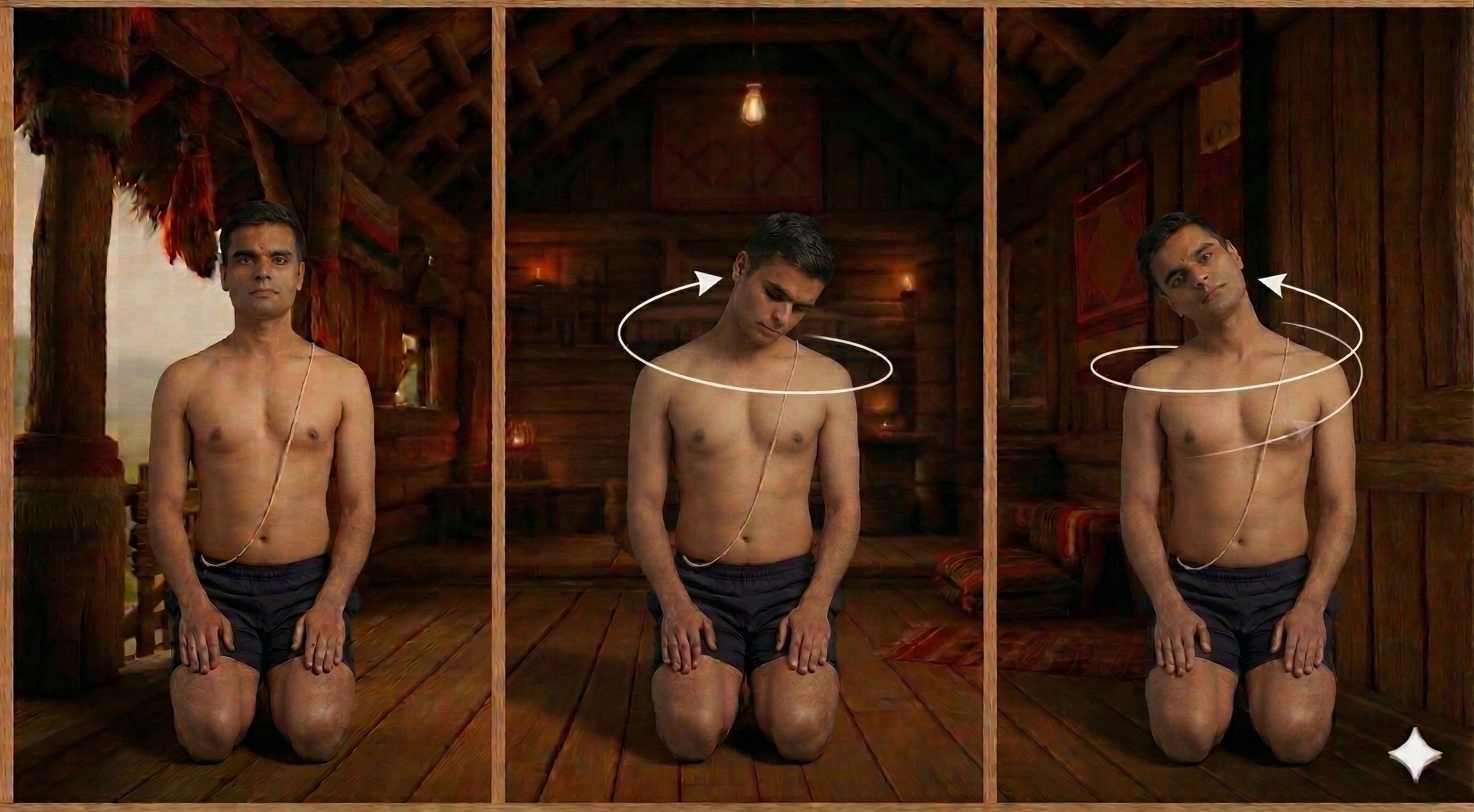
Prepare with: Seated Tadasana, Baddha Konasana, Neck Rolls. These warm up the relevant muscles and joints.
Related Poses
Similar poses you might enjoy

Build Your Own Sequence
Combine Nadi Shodhana Pranayama with other poses