Compass Pose
Parivrtta Surya Yantrasana · परिवृत्त सूर्य यन्त्रासन
Also known as: Sundial Pose · Parivrtta Surya Yantrasana
Compass Pose, also called Sundial Pose is a classical yoga posture. Its Sanskrit name Parivrtta Surya Yantrasana translates word-for-word as: Parivrtta (Revolved) · Surya (Sun) · Yantra (Instrument) · Asana (Pose). In this posture, the body grounds through the sit bones while the spine rises tall. The posture works to lengthen the hamstrings, open and strengthen the shoulders and engage the obliques. Side body stretch. Develops patience. It is particularly valued for developing greater flexibility. Suitable for advanced practitioners with developed body awareness, it is a meaningful addition to any practice. A strap can be used to make the posture more accessible and support correct alignment. Practitioners with hamstring injury and shoulder injury should approach with care or consult a qualified teacher.
Anatomy Involved
Benefits
Hamstrings(lengthening)
The long muscles running along the back of your thighs (hamstrings, specifically *biceps femoris, semitendinosus, semimembranosus*) receive a deep, sustained lengthening as you extend one leg actively towards the sky. This is not a passive hang but an engaged extension that encourages the entire posterior chain to unwind from its habitual shortening. Yogically, this release of tension in the hamstrings helps to free the flow of apana vayu, bringing a sense of lightness and freedom to the lower limbs and pelvis. Over time, this consistent lengthening can significantly improve overall spinal health and ease in forward bends.
Obliques(lengthening)
The sheet-like muscles along the sides of your waist (internal and external obliques) on the side of the extended leg are actively lengthened and stretched, creating space between the ribs and the hip crest. Simultaneously, the obliques on the opposite side engage subtly to stabilize the torso and prevent collapsing into the side bend. This dynamic interplay helps to wring out stagnant energy from the abdominal region, promoting better digestion and a feeling of internal spaciousness. It cultivates a sense of active lift and integrity through the core, rather than just a passive stretch.
Hip Rotators(lengthening)
The deep muscles surrounding your hip joint (piriformis, gemelli, obturators, quadratus femoris) are intensely lengthened as the extended leg moves into deep external rotation and abduction. This action profoundly opens the often-tight deep hip rotators, releasing chronic tension that can accumulate from prolonged sitting or athletic activities. From a yogic perspective, releasing these deep muscles can free energetic blockages in the sacral region, allowing for greater emotional fluidity and creativity. Consistent practice here gradually increases the range of motion in the hip, fostering greater ease in all hip-opening postures.
- Full anatomical benefits — muscles, joints, organs →
Avoid If
Hamstring Injury
Aggressive stretching of a torn or strained hamstring can reinjure muscle fibres — the attachment near the sitting bone is especially vulnerable.
Sit on a folded blanket, keep a generous bend in the knees, and do not force the torso toward the shins.
Shoulder Injury
Overhead loading and extreme shoulder rotation can impinge the subacromial space and overload rotator cuff tendons.
Reduce the range of motion, avoid full arm extension, and use props to limit load on the shoulder joint.
Hip Injury
Deep hip flexion, external rotation, or weight-bearing can aggravate labral tears, impingement, or bursitis.
Sit on a folded blanket or bolster to reduce the depth of hip flexion and external rotation.
Props That Can Help
Optional supports — use when helpful, not required
Yoga Strap
A strap around the feet allows you to hold the full pose expression with a tall spine, even when hamstring or shoulder flexibility is limited.
Common Mistakes to Avoid
Teaching Cues
For yoga teachers — verbal cues to guide students
6 cues
Teaching Cues
For yoga teachers — verbal cues to guide students
- 1Sit on the front edge of your sitting bones
- 2Lengthen the spine upward on each inhalation
- 3Keep the chest lifted and shoulders relaxed
- 4Ground down through the sitting bones
- 5Maintain an elongated spine — avoid rounding the back
- 6Allow the hip joints to open gradually — never force
Pose Details
Helps With
Pose Type
Body Focus
Focus Areas
Yoga Styles
When to Practice
Position
Modify If You Have
hamstring injury
Keep the leg bent. Use a strap.
Target Areas
Practice Flow

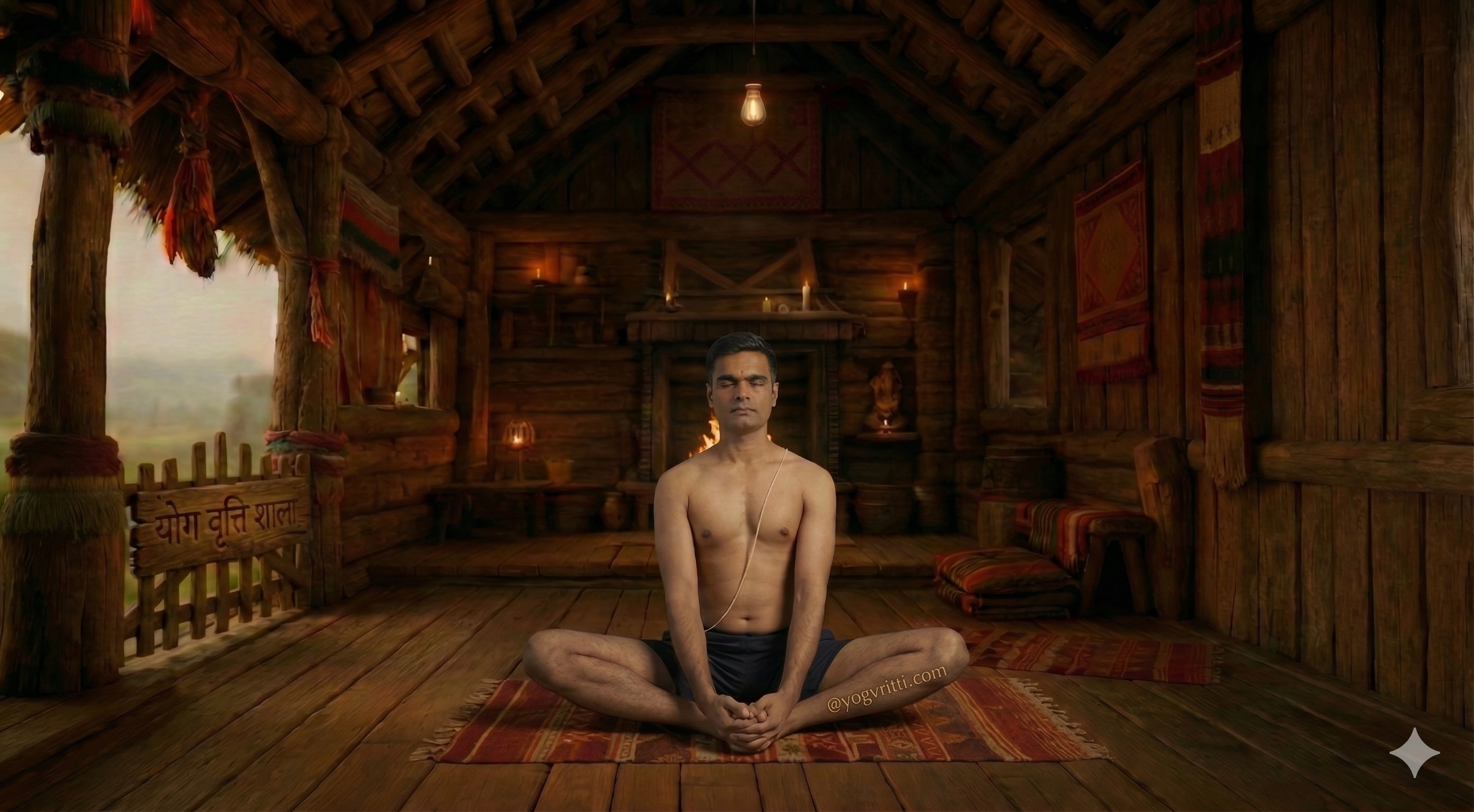
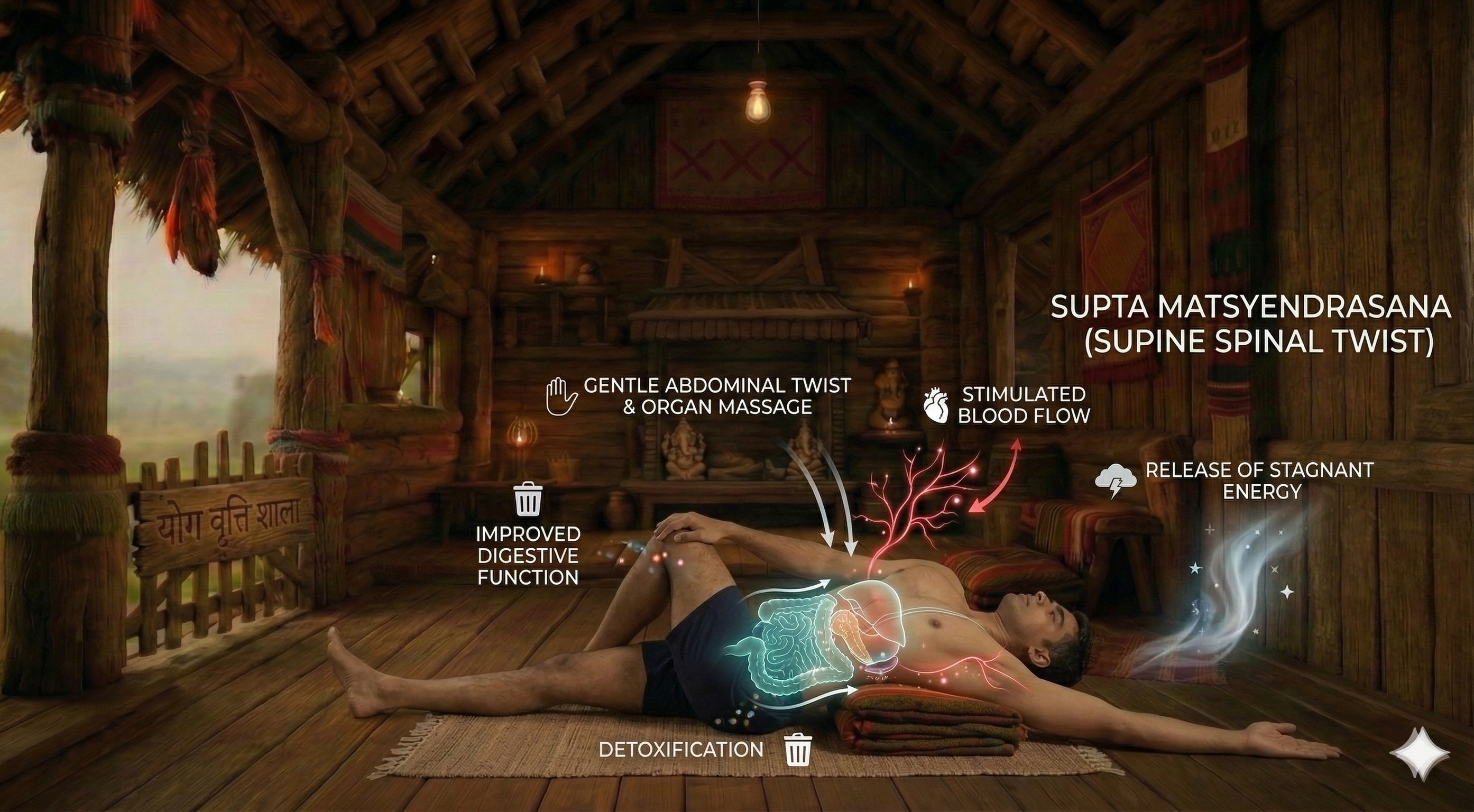
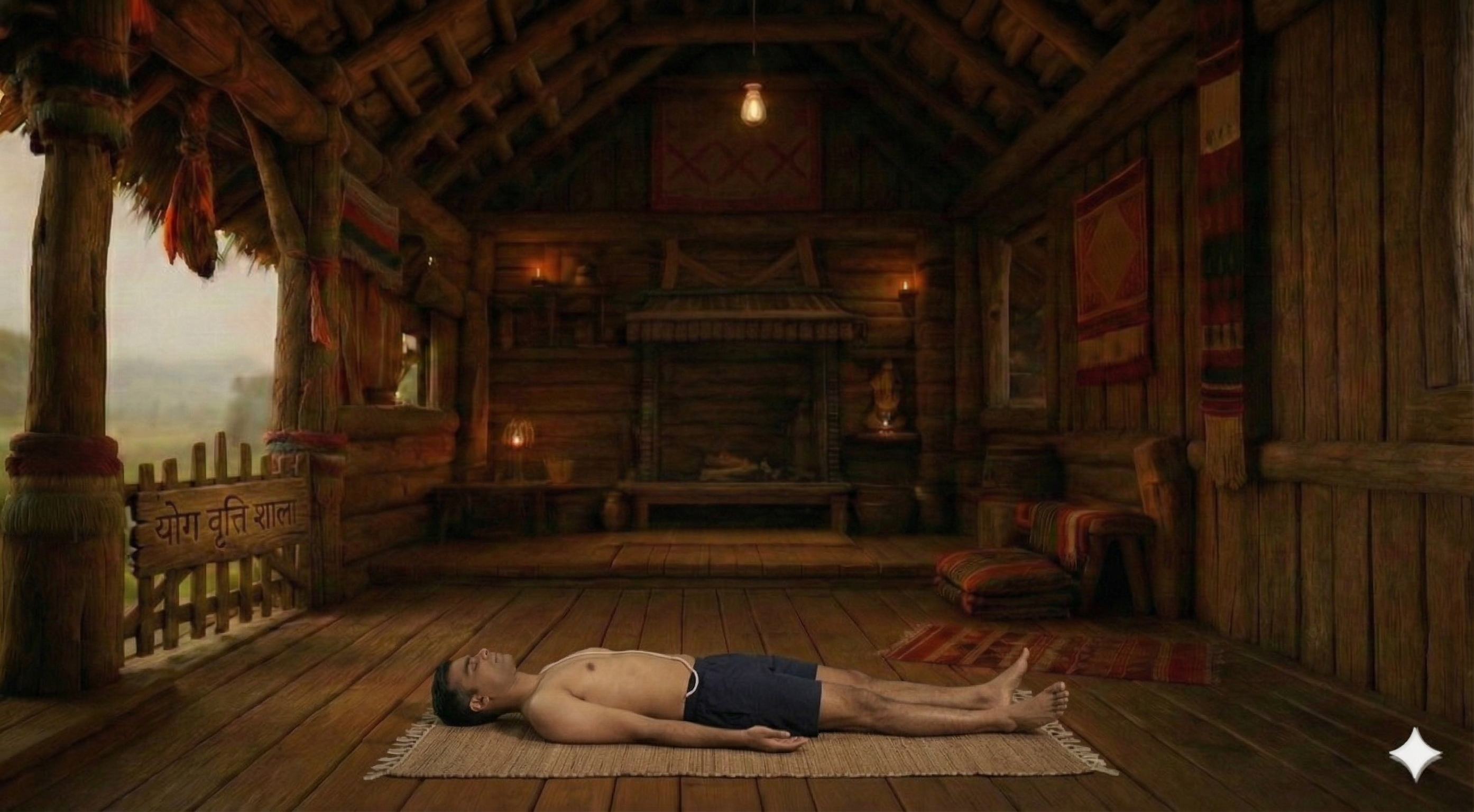
How to Practice
1. Sit in Dandasana.
2. Bend right knee, lift right leg.
3. Thread right leg behind right shoulder.
4. Right hand reaches under right leg — to floor behind.
5. Left hand holds outer edge of right foot.
5 more steps remaining
Register free to see the complete instructions
Register Free to ContinueAlready registered? Login
Frequently Asked Questions
Common questions about Parivrtta Surya Yantrasana
What is Compass Pose?
Compass Pose, also called Sundial Pose is a classical yoga posture. Its Sanskrit name Parivrtta Surya Yantrasana translates word-for-word as: Parivrtta (Revolved) · Surya (Sun) · Yantra (Instrument) · Asana (Pose). In this posture, the body grounds through the sit bones while the spine rises tall. The posture works to lengthen the hamstrings, open and strengthen the shoulders and engage the obliques. Side body stretch. Develops patience. It is particularly valued for developing greater flexibility. Suitable for advanced practitioners with developed body awareness, it is a meaningful addition to any practice. A strap can be used to make the posture more accessible and support correct alignment. Practitioners with hamstring injury and shoulder injury should approach with care or consult a qualified teacher.
What are the benefits of Compass Pose?
Extreme hamstring and shoulder opening. Side body stretch. Develops patience. Beautiful peak pose.
Who should avoid Compass Pose?
Avoid this pose if you have: Hamstring injuries, Shoulder injuries, Hip injuries.
How many steps are in Compass Pose?
Compass Pose is practiced in 10 steps. Sit in Dandasana.
Is Compass Pose suitable for beginners?
Compass Pose is an advanced-level pose. Beginners should practice with props or under guidance.
What props are needed for Compass Pose?
You may use: strap. Props make the pose more accessible and comfortable.
What conditions does Compass Pose help with?
Compass Pose is therapeutic for: flexibility.
What poses should I do before Compass Pose?
Prepare with: Staff Pose, Baddha Konasana, Upavistha Konasana. These warm up the relevant muscles and joints.
Related Poses
Similar poses you might enjoy
Build Your Own Sequence
Combine Parivrtta Surya Yantrasana with other poses