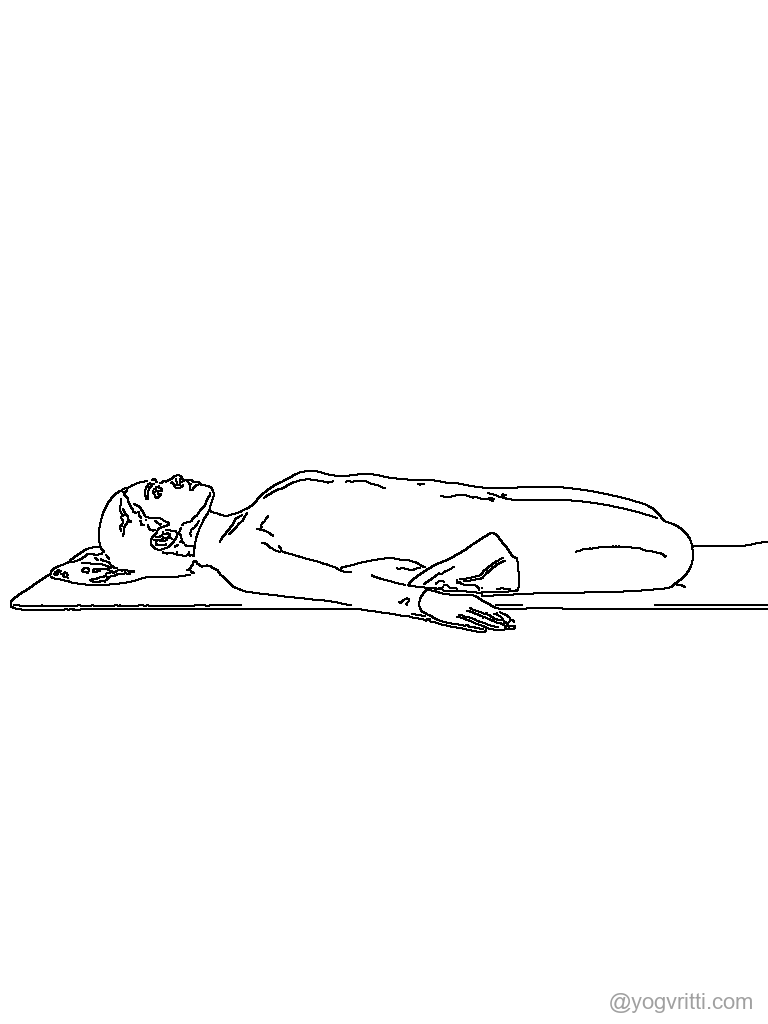
 Intermediatekneeling
Couch Pose
Paryankasana · पर्यङ्कासन
Also known as: Paryankasana · Reclining Hero Variation
Couch Pose, also called Paryankasana is a classical yoga posture. Its Sanskrit name Paryankasana translates word-for-word as: Paryanka (Couch / Bed) · Asana (Pose). Beginning from a kneeling position, the practitioner aligns the body with precision and intentional breath. The posture works to strengthen the quadriceps, stretch the hip flexors and open the chest. Stretches quadriceps and hip flexors. Stimulates thyroid gland. It is particularly valued for developing greater flexibility and improving overall posture. Suitable for intermediate practitioners with foundational yoga experience, it is a meaningful addition to any practice. A blanket can be used to make the posture more accessible and support correct alignment. Practitioners with knee injury and ankle injury should approach with care or consult a qualified teacher.
Anatomy Involved
Benefits
- Deep chest opener
- Stretches quadriceps and hip flexors
- Stimulates thyroid gland
- Relieves fatigue
- Full anatomical benefits — muscles, joints, organs →
Avoid If
Knee Injury
Deep flexion or rotation at the knee can strain ligaments, meniscus, or cartilage, especially in a compromised joint.
Never push into pain; use a folded blanket under or between the knees and reduce the depth of the bend.
Ankle Injury
Unstable or injured ankle joints can be overstressed by weight-bearing, extreme dorsiflexion, or plantar flexion.
Avoid full weight-bearing on the injured ankle; use a blanket for cushioning or switch to a seated alternative.
Neck Injury / Cervical Issues
Looking up, bearing head weight, or unsupported neck rotation can compress cervical vertebrae and irritate nerves.
Do not allow the head to drop back unsupported; keep the chin slightly tucked and look forward rather than up.
Back Injury / Back Pain
Spinal flexion, extension, or rotation under load can compress vertebral discs or strain the paraspinal muscles.
Limit the depth of the backbend, engage the core actively before moving, and avoid any movement that creates pinching in the lumbar spine.
Props That Can Help
Optional supports — use when helpful, not required
Folded Blanket
A rolled blanket under the thoracic spine opens the chest gently and supports the backbend, making it accessible as a restorative variation.
Common Mistakes to Avoid
Teaching Cues
For yoga teachers — verbal cues to guide students
5 cues
Teaching Cues
For yoga teachers — verbal cues to guide students
- 1Place padding under the knees if needed for comfort
- 2Align the hips directly above or behind the knees
- 3Keep the spine long and the chest lifted
- 4Press the tops of the feet or toes firmly into the floor
- 5Engage the core to support the lower back
Pose Details
Helps With
Pose Type
Body Focus
Focus Areas
Yoga Styles
When to Practice
Position
Modify If You Have
knee injury
Do Supta Virasana with bolster under the back instead.
Target Areas
Practice Flow
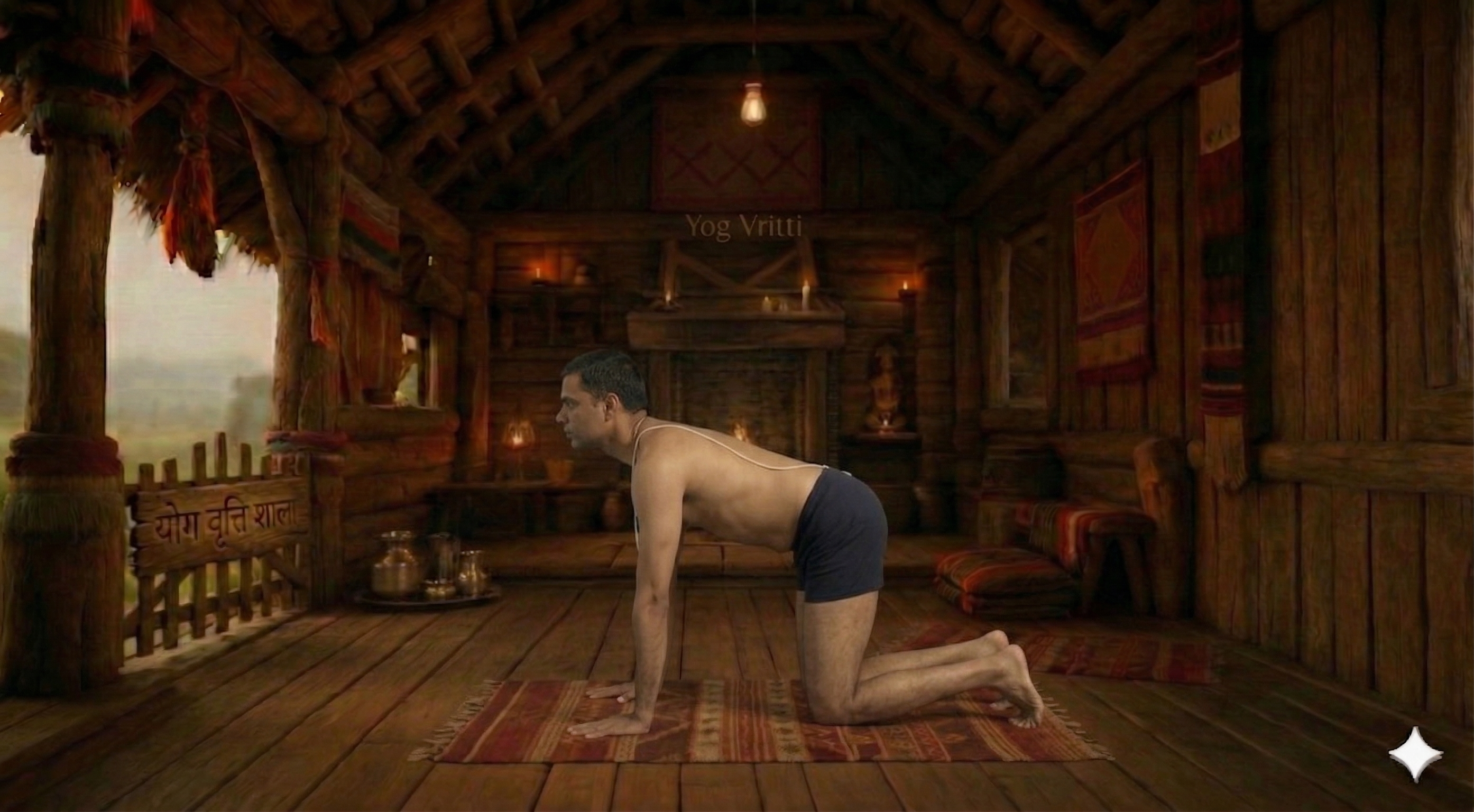
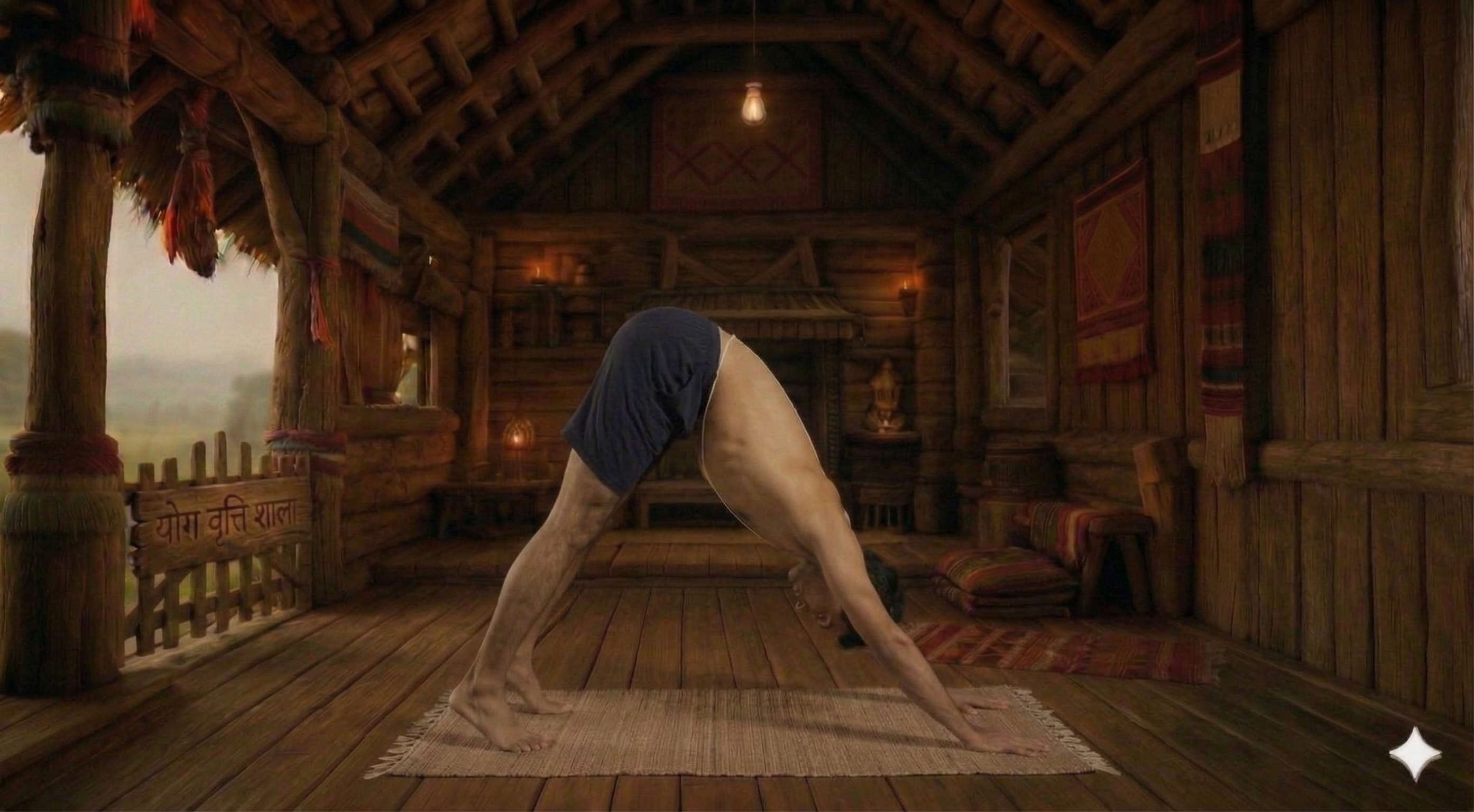
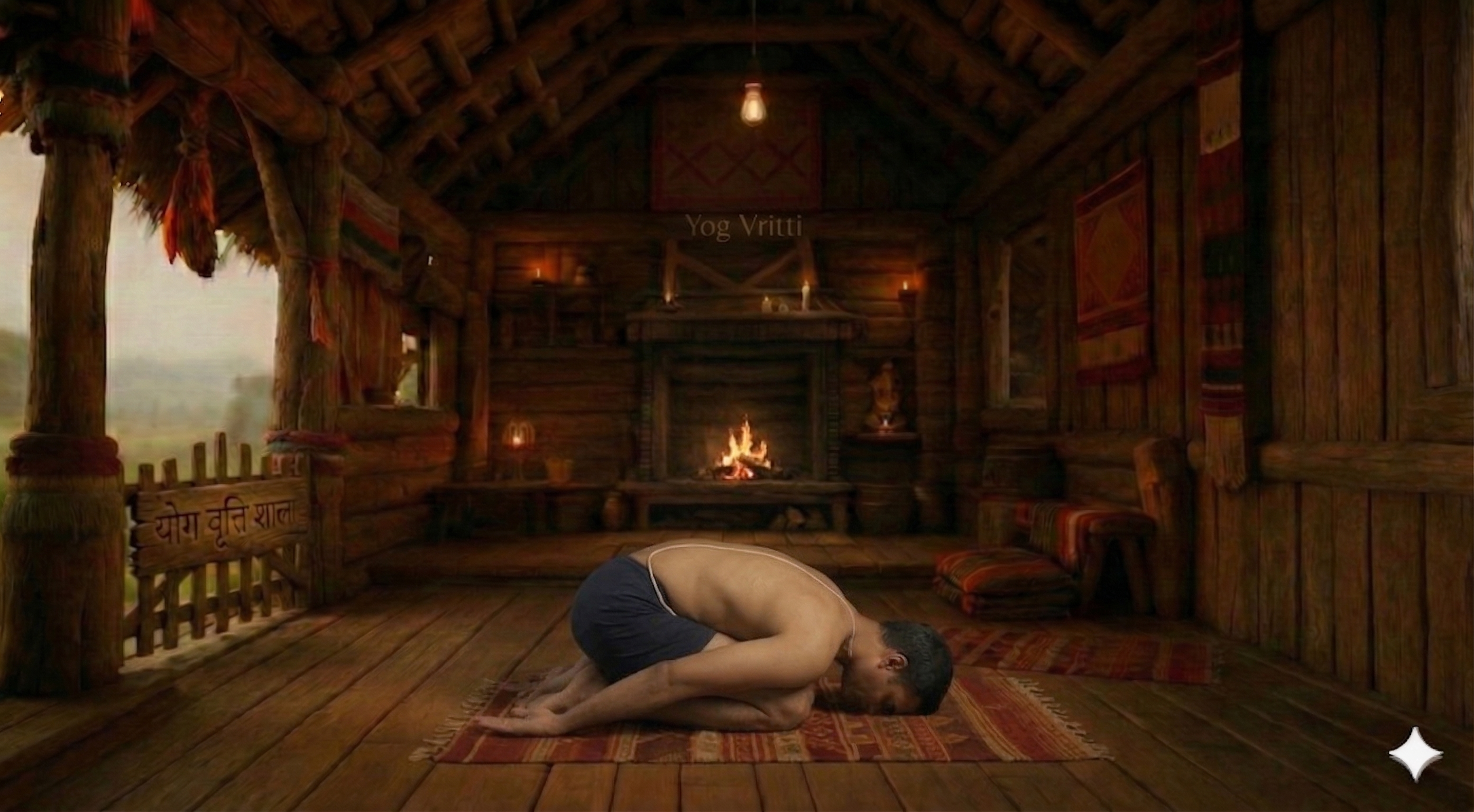
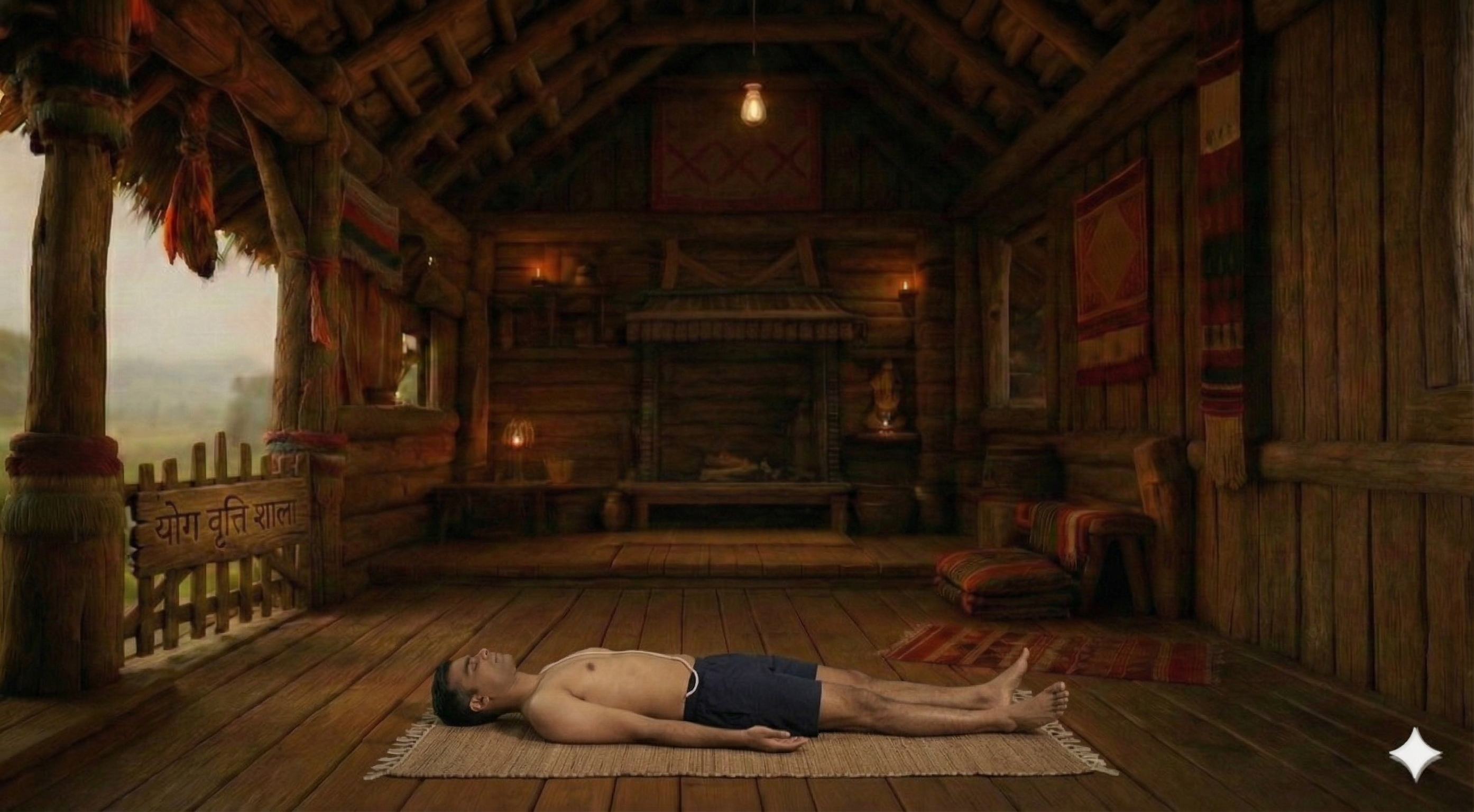
How to Practice
1. Sit in Vajrasana.
2. Place feet beside the hips (preparing for Supta Vajrasana).
3. Using elbows for support, lean back.
4. Arch the back.
5. Place the crown of the head on the floor — between the feet.
5 more steps remaining
Register free to see the complete instructions
Register Free to ContinueAlready registered? Login
Frequently Asked Questions
Common questions about Paryankasana
What is Couch Pose?
Couch Pose, also called Paryankasana is a classical yoga posture. Its Sanskrit name Paryankasana translates word-for-word as: Paryanka (Couch / Bed) · Asana (Pose). Beginning from a kneeling position, the practitioner aligns the body with precision and intentional breath. The posture works to strengthen the quadriceps, stretch the hip flexors and open the chest. Stretches quadriceps and hip flexors. Stimulates thyroid gland. It is particularly valued for developing greater flexibility and improving overall posture. Suitable for intermediate practitioners with foundational yoga experience, it is a meaningful addition to any practice. A blanket can be used to make the posture more accessible and support correct alignment. Practitioners with knee injury and ankle injury should approach with care or consult a qualified teacher.
What are the benefits of Couch Pose?
Deep chest opener. Stretches quadriceps and hip flexors. Stimulates thyroid gland. Relieves fatigue.
Who should avoid Couch Pose?
Avoid this pose if you have: Knee injuries, Ankle injuries, Neck injuries, Lower back pain.
How many steps are in Couch Pose?
Couch Pose is practiced in 10 steps. Sit in Vajrasana.
Is Couch Pose suitable for beginners?
Couch Pose is an intermediate-level pose. Beginners should practice with props or under guidance.
What props are needed for Couch Pose?
You may use: blanket. Props make the pose more accessible and comfortable.
What conditions does Couch Pose help with?
Couch Pose is therapeutic for: flexibility, posture correction.
What poses should I do before Couch Pose?
Prepare with: Bharmanasana (Table top pose), Virasana, Adho Mukha Svanasana. These warm up the relevant muscles and joints.
Related Poses
Similar poses you might enjoy
Build Your Own Sequence
Combine Paryankasana with other poses