Equal Standing Pose
Tadasana Samasthiti · समस्थिति
Also known as: Samasthiti · Tadasana Variation · Equal Mountain
Equal Standing Pose, also called Samasthiti is a classical yoga posture. Its Sanskrit name Tadasana Samasthiti translates word-for-word as: Sama (Equal) · Sthiti (Standing). From a standing position, the body roots firmly through the feet while the spine extends upward. The posture works to strengthen the quadriceps, lengthen the hamstrings and engage the core. Strengthens thighs, knees, and ankles. Firms abdomen and buttocks. It is particularly valued for improving overall posture. Suitable for beginners and regular practitioners alike, it is an excellent warm-up, particularly beneficial for beginners and seniors. A wall can be used to make the posture more accessible and support correct alignment.
Anatomy Involved
Benefits
- Improves posture and body alignment
- Strengthens thighs, knees, and ankles
- Firms abdomen and buttocks
- Improves balance and stability
- Increases body awareness and focus
- Full anatomical benefits — muscles, joints, organs →
Avoid If
Headache / Migraine
Physical exertion, inversions, and strong breath work can intensify an existing headache or trigger a migraine.
Keep effort minimal, breathe slowly, and skip any vigorous transitions.
Insomnia
Stimulating pranayama and energising poses can activate the sympathetic nervous system, making sleep harder if practised late in the day.
Practise calming, exhalation-focused breath work; avoid stimulating postures or pranayama close to bedtime.
Low Blood Pressure
Rising quickly from low positions can cause a sudden drop in blood pressure, leading to dizziness or fainting.
Rise slowly from seated or lying positions, pause in a mid-level shape before fully standing, and use a wall for support.
Props That Can Help
Optional supports — use when helpful, not required
Wall
Practise near the wall so one fingertip can lightly touch it, giving the nervous system a safety anchor while building proprioceptive confidence.
Common Mistakes to Avoid
Teaching Cues
For yoga teachers — verbal cues to guide students
6 cues
Teaching Cues
For yoga teachers — verbal cues to guide students
- 1Ground firmly through all four corners of both feet
- 2Engage the quadriceps by lifting the kneecaps
- 3Lengthen the spine from the tailbone to the crown of the head
- 4Draw the shoulder blades down and back
- 5Maintain steady, even breathing throughout
- 6Fix the gaze on a steady point (drishti) for balance
Pose Details
Helps With
Pose Type
Body Focus
Focus Areas
Best For
Yoga Styles
When to Practice
Position
Modify If You Have
vertigo
Stand with feet hip-width apart or against a wall for support.
ankle injury
Place a rolled blanket under the arch of the foot for support.
Target Areas
Practice Flow
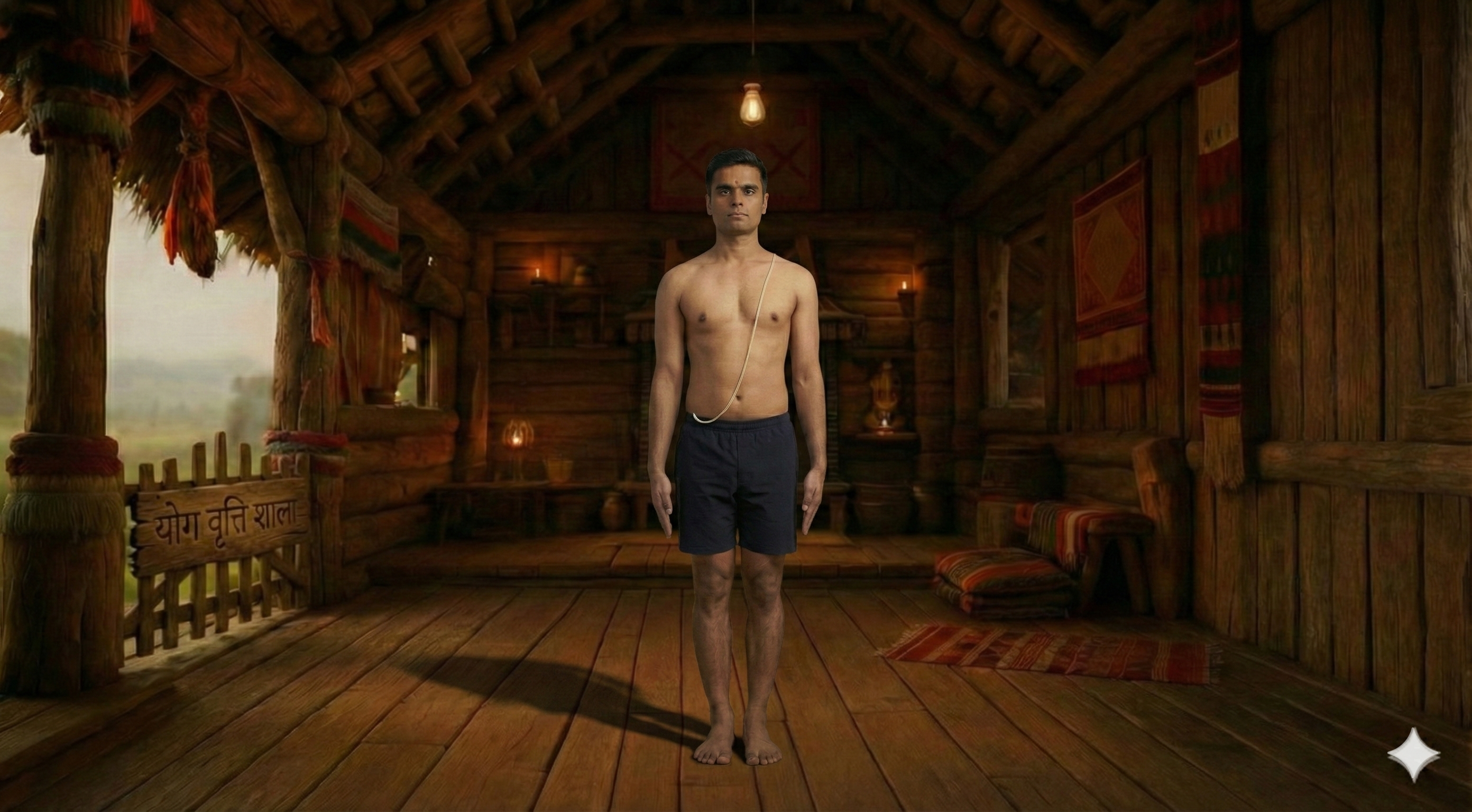

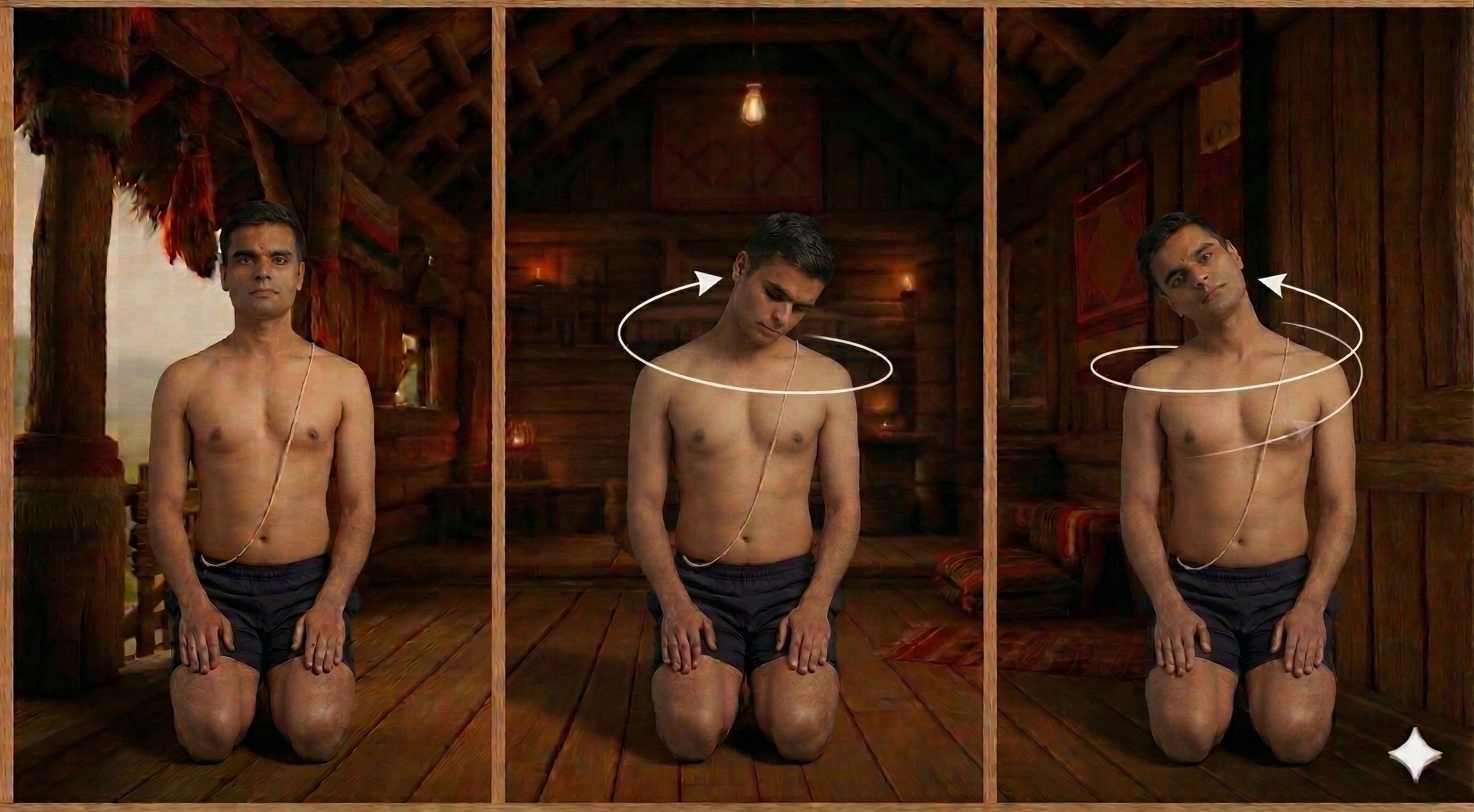

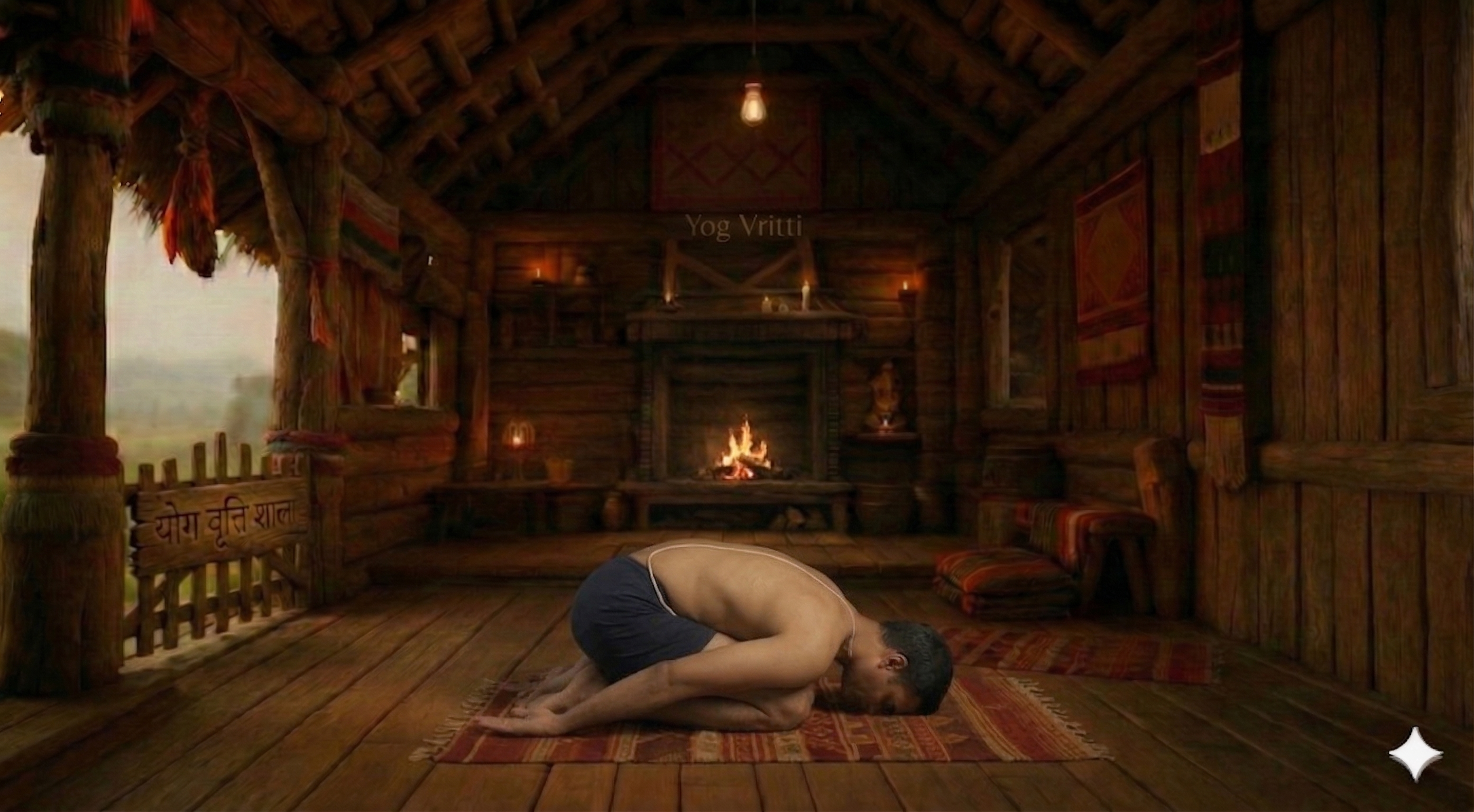
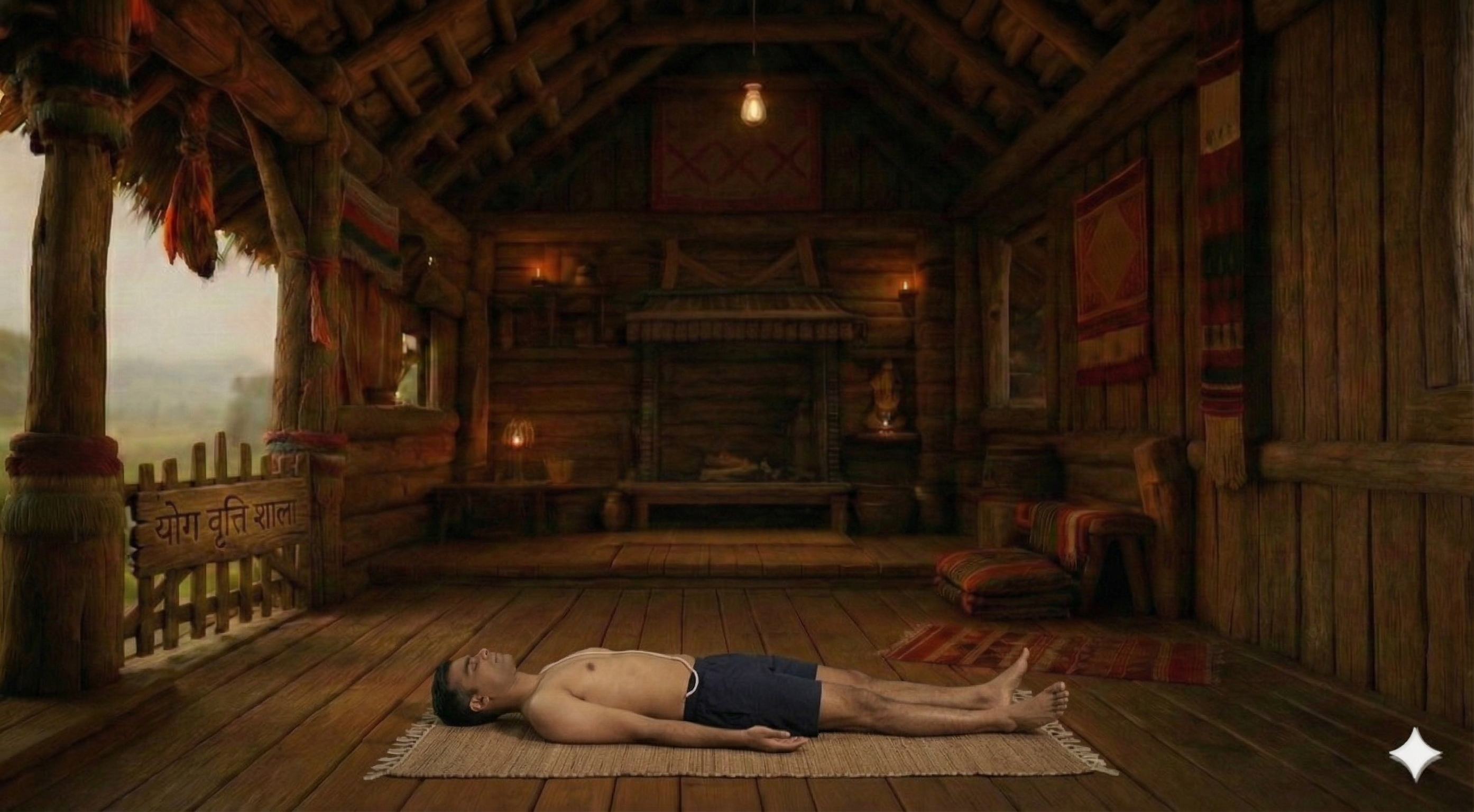
How to Practice
1. Stand with your feet together or hip-width apart, with toes pointing straight forward.
2. Distribute your weight evenly through all four corners of your feet, grounding down through the balls of your feet and your heels.
3. Engage your thighs and lift your kneecaps, but avoid locking your knees.
4. Draw your tailbone down towards the heels and gently draw your lower abdomen in, lengthening the spine upwards.
5. Lift your chest and roll your shoulders back and down, away from your ears, broadening the collarbones.
4 more steps remaining
Register free to see the complete instructions
Register Free to ContinueAlready registered? Login
Frequently Asked Questions
Common questions about Tadasana Samasthiti
What is Equal Standing Pose?
Equal Standing Pose, also called Samasthiti is a classical yoga posture. Its Sanskrit name Tadasana Samasthiti translates word-for-word as: Sama (Equal) · Sthiti (Standing). From a standing position, the body roots firmly through the feet while the spine extends upward. The posture works to strengthen the quadriceps, lengthen the hamstrings and engage the core. Strengthens thighs, knees, and ankles. Firms abdomen and buttocks. It is particularly valued for improving overall posture. Suitable for beginners and regular practitioners alike, it is an excellent warm-up, particularly beneficial for beginners and seniors. A wall can be used to make the posture more accessible and support correct alignment.
What are the benefits of Equal Standing Pose?
Improves posture and body alignment. Strengthens thighs, knees, and ankles. Firms abdomen and buttocks. Improves balance and stability. Increases body awareness and focus. Grounds and calms the mind.
Who should avoid Equal Standing Pose?
Avoid this pose if you have: Severe headache, Insomnia, Low blood pressure (if feeling dizzy, use wall support).
How many steps are in Equal Standing Pose?
Equal Standing Pose is practiced in 9 steps. Stand with your feet together or hip-width apart, with toes pointing straight forward.
Is Equal Standing Pose suitable for beginners?
Yes, Equal Standing Pose is a beginner-friendly pose suitable for all levels.
What props are needed for Equal Standing Pose?
You may use: wall. Props make the pose more accessible and comfortable.
What conditions does Equal Standing Pose help with?
Equal Standing Pose is therapeutic for: posture correction, balance, strength, anxiety.
What poses should I do before Equal Standing Pose?
Prepare with: Tadasana, Shoulder Rolls, Neck Rolls, Tadasana Variation: Heel Raises. These warm up the relevant muscles and joints.
Related Poses
Similar poses you might enjoy
Build Your Own Sequence
Combine Tadasana Samasthiti with other poses