Accomplished Pose
Siddhasana · सिद्धासन
Also known as: Perfect Pose · Siddhasana
Accomplished Pose, also called Perfect Pose is a classical yoga posture. Its Sanskrit name Siddhasana translates word-for-word as: Siddha (Accomplished / Perfected) · Asana (Pose). In this posture, the body grounds through the sit bones while the spine rises tall. The posture works to release tension in the hips and stabilise the ankles. Improves posture. Calms the mind. It is particularly valued for quieting an anxious mind and supporting restful sleep. Suitable for beginners and regular practitioners alike, it is an excellent warm-up, particularly beneficial for beginners and seniors. A blanket and block can be used to make the posture more accessible and support correct alignment. Practitioners with knee injury and ankle injury should approach with care or consult a qualified teacher.
Anatomy Involved
Benefits
Deep hip rotators (e.g., piriformis, gemelli, obturators)(lengthening)
These small, deep muscles nestled beneath the glutes are gently encouraged to lengthen as the thighs externally rotate and the knees drop towards the earth. This release is not forceful but gradual, allowing the hip joint to find its natural range of motion over time. Energetically, releasing these muscles can unlock stagnant energy in the pelvic region, promoting a sense of freedom and openness in the hips, which is crucial for comfortable seated meditation.
Inner thigh muscles (adductors)(lengthening)
As the knees splay wide in Siddhasana, the muscles along the inside of your thighs experience a sustained, mild stretch. This action is subtle, not aggressive, and aims to gradually increase flexibility in the groin area. In the yogic context, releasing tension in the adductors can help to open the root chakra (Muladhara), enhancing feelings of stability and connection to the earth, vital for a steady meditation practice.
Spinal erectors(activating)
To maintain a tall, upright spine in Siddhasana, the muscles running along either side of your vertebral column are subtly engaged, working to counteract gravity. This gentle activation strengthens the postural muscles without creating rigidity, promoting natural spinal curves. This physical uplift translates to an energetic lift, cultivating alertness and clarity, allowing prana to flow freely up the central channel (sushumna nadi) for enhanced awareness.
- Full anatomical benefits — muscles, joints, organs →
Avoid If
Knee Injury
Deep flexion or rotation at the knee can strain ligaments, meniscus, or cartilage, especially in a compromised joint.
Sit on a folded blanket to reduce the angle of knee flexion; never force the knee into Lotus without full range of motion.
Ankle Injury
Unstable or injured ankle joints can be overstressed by weight-bearing, extreme dorsiflexion, or plantar flexion.
Avoid full weight-bearing on the injured ankle; use a blanket for cushioning or switch to a seated alternative.
Sacroiliac Joint Pain
Uneven pelvic loading and twisting under load create shear forces at the sacroiliac joint, worsening instability.
Sit on a folded blanket to keep the pelvis neutral; avoid crossing the legs asymmetrically.
Props That Can Help
Optional supports — use when helpful, not required
Folded Blanket
Sit on a folded blanket to elevate the hips slightly above the knees, encouraging a natural lumbar curve and easing the forward tilt of the pelvis.
Yoga Block
Sit on a block to elevate the hips and tilt the pelvis forward, relieving strain on the lower back and making hip flexion easier.
Common Mistakes to Avoid
Teaching Cues
For yoga teachers — verbal cues to guide students
7 cues
Teaching Cues
For yoga teachers — verbal cues to guide students
- 1Sit on the front edge of your sitting bones
- 2Lengthen the spine upward on each inhalation
- 3Keep the chest lifted and shoulders relaxed
- 4Ground down through the sitting bones
- 5Maintain an elongated spine — avoid rounding the back
- 6Allow the hip joints to open gradually — never force
- 7Surrender the weight of the body to the props and the floor
Pose Details
Helps With
Pose Type
Body Focus
Focus Areas
Best For
Yoga Styles
When to Practice
Position
Target Areas
Practice Flow
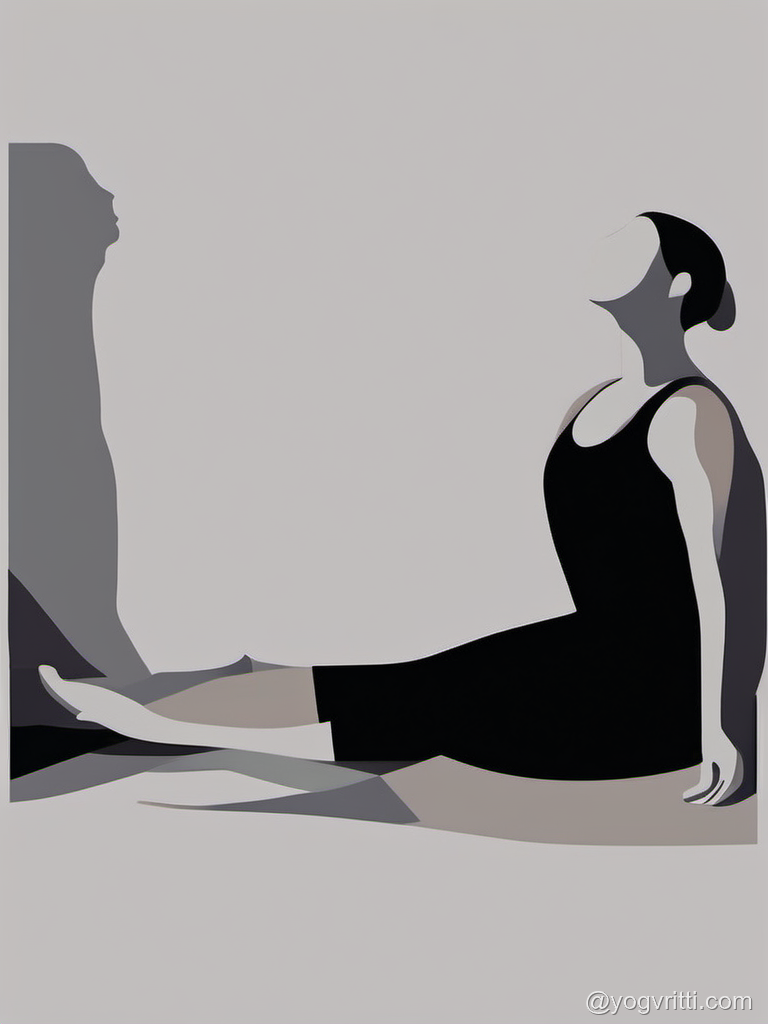
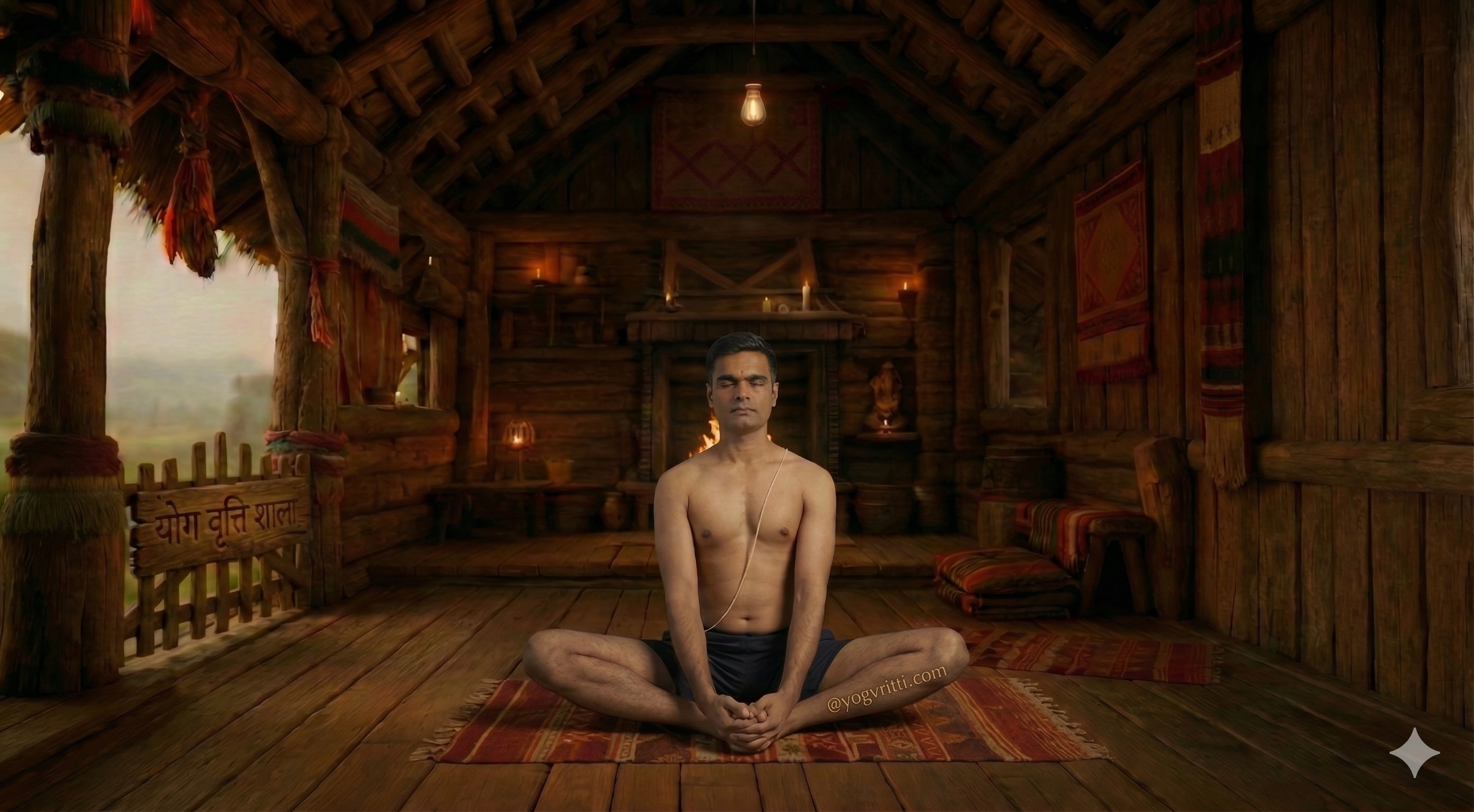
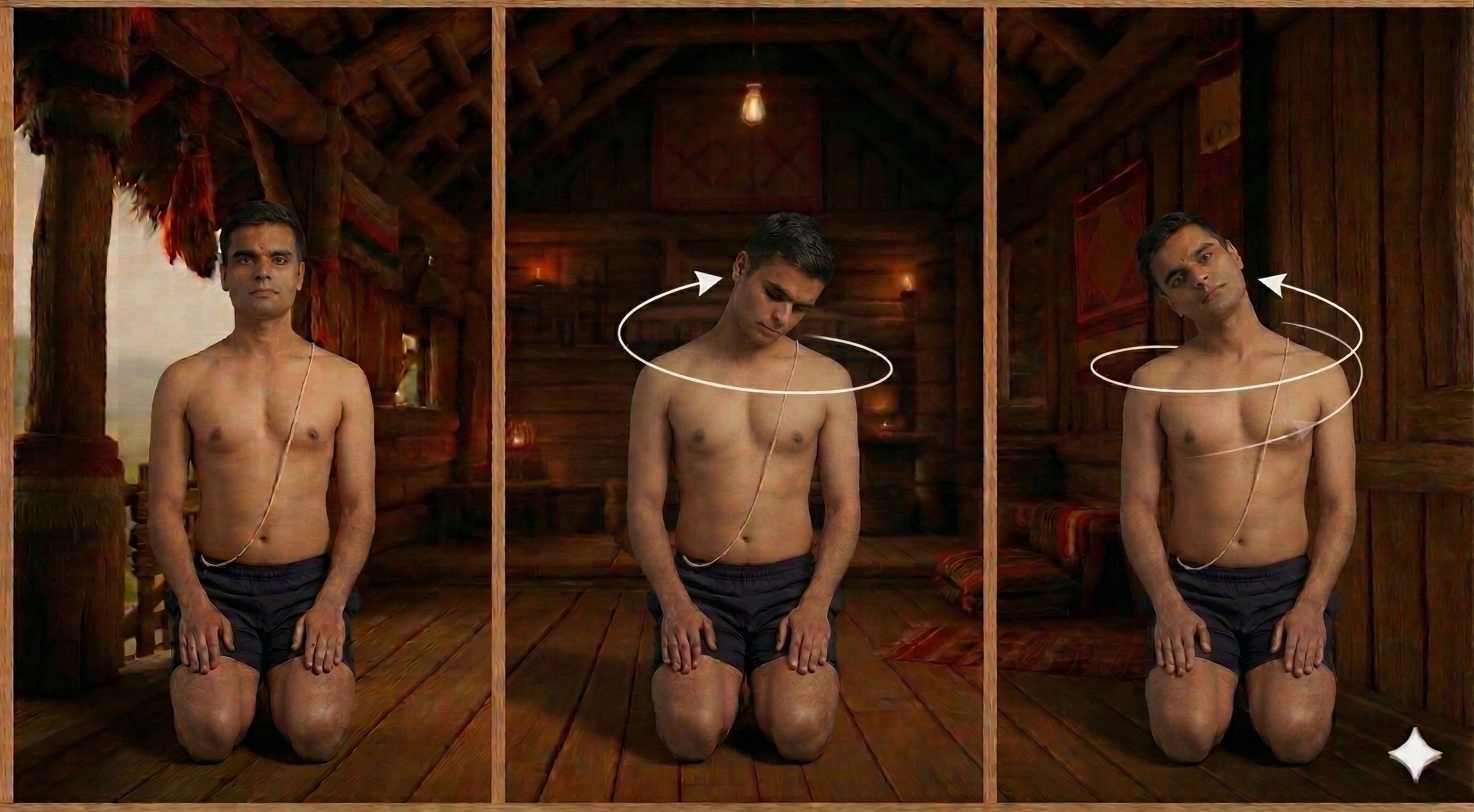
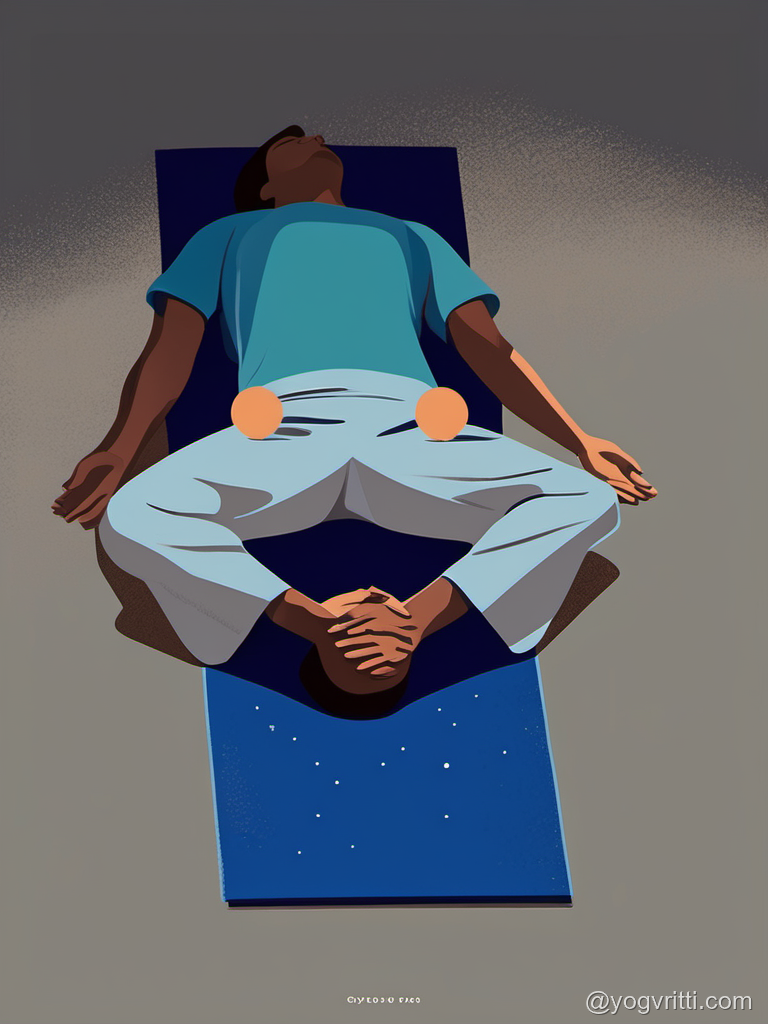
How to Practice
1. Sit in Dandasana (Staff Pose).
2. Bring your left heel close to the perineum.
3. Place your right heel on top of your left heel, so that the ankles are stacked one above the other.
4. Place your hands on your knees in Jnana Mudra (thumb and index finger touching).
5. Keep your spine straight and relax your shoulders.
3 more steps remaining
Register free to see the complete instructions
Register Free to ContinueAlready registered? Login
Frequently Asked Questions
Common questions about Siddhasana
What is Accomplished Pose?
Accomplished Pose, also called Perfect Pose is a classical yoga posture. Its Sanskrit name Siddhasana translates word-for-word as: Siddha (Accomplished / Perfected) · Asana (Pose). In this posture, the body grounds through the sit bones while the spine rises tall. The posture works to release tension in the hips and stabilise the ankles. Improves posture. Calms the mind. It is particularly valued for quieting an anxious mind and supporting restful sleep. Suitable for beginners and regular practitioners alike, it is an excellent warm-up, particularly beneficial for beginners and seniors. A blanket and block can be used to make the posture more accessible and support correct alignment. Practitioners with knee injury and ankle injury should approach with care or consult a qualified teacher.
What are the benefits of Accomplished Pose?
Promotes relaxation. Improves posture. Calms the mind. Increases focus and concentration. Opens the hips.
Who should avoid Accomplished Pose?
Avoid this pose if you have: Knee injuries, Ankle injuries, Sacroiliac joint dysfunction.
How many steps are in Accomplished Pose?
Accomplished Pose is practiced in 8 steps. Sit in Dandasana (Staff Pose).
Is Accomplished Pose suitable for beginners?
Yes, Accomplished Pose is a beginner-friendly pose suitable for all levels.
What props are needed for Accomplished Pose?
You may use: blanket, block. Props make the pose more accessible and comfortable.
What conditions does Accomplished Pose help with?
Accomplished Pose is therapeutic for: anxiety, insomnia, posture correction, flexibility.
What poses should I do before Accomplished Pose?
Prepare with: Seated Tadasana, Baddha Konasana, Neck Rolls. These warm up the relevant muscles and joints.
Related Poses
Similar poses you might enjoy
Build Your Own Sequence
Combine Siddhasana with other poses