Sleeping Tortoise Pose
Supta Kurmasana · सुप्त कूर्मासन
Also known as: Supine Tortoise · Supta Kurmasana
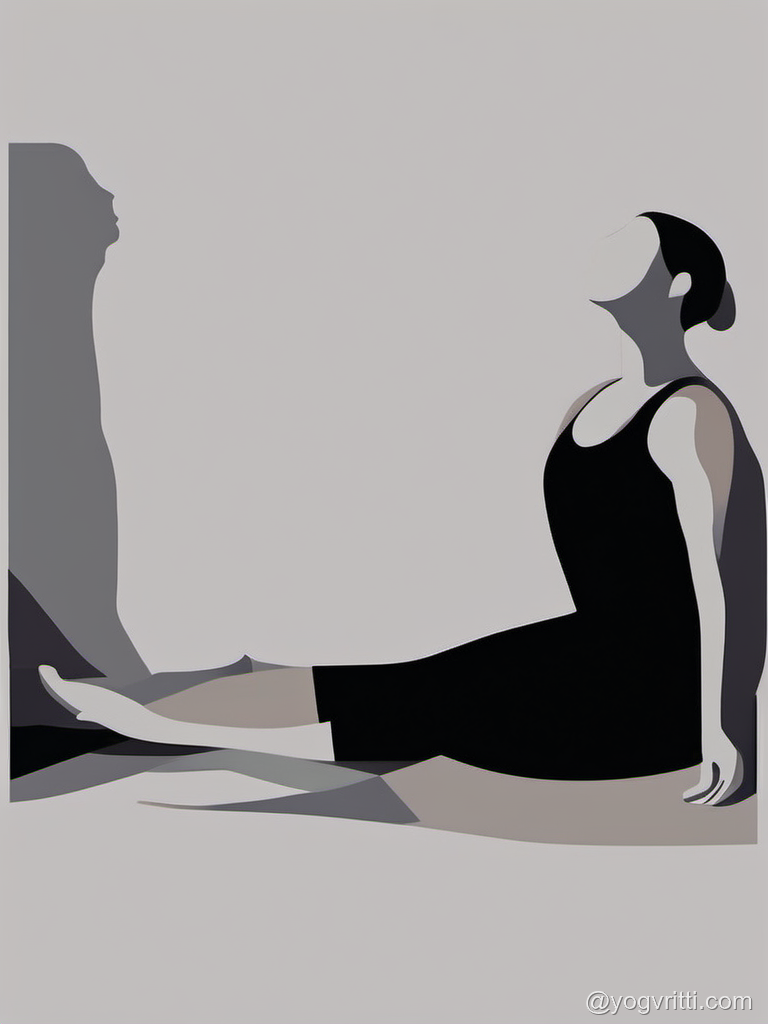
Sleeping Tortoise Pose, also called Supine Tortoise is a classical yoga posture. Its Sanskrit name Supta Kurmasana translates word-for-word as: Supta (Reclining) · Kurma (Tortoise) · Asana (Pose). In this posture, the body grounds through the sit bones while the spine rises tall. The posture works to lengthen the hamstrings, lengthen the spine and open and strengthen the shoulders. Deep introspection. Calms the entire nervous system. It is particularly valued for developing greater flexibility and quieting an anxious mind. Suitable for advanced practitioners with developed body awareness, it is a meaningful addition to any practice. Practitioners with spinal injury and shoulder injury should approach with care or consult a qualified teacher.
Anatomy Involved
Benefits
Hamstrings(lengthening)
The powerful muscles along the back of your thighs (hamstrings) undergo a profound, sustained lengthening in this pose. As the torso folds deeply over the legs and the feet come behind the head, these muscles are asked to release years of accumulated tension from prolonged sitting and habitual shortening. This deep unwinding not only increases physical flexibility but also frees up the energetic flow (prana) in the lower limbs, promoting a feeling of lightness and ease. Regular practice progressively lengthens this posterior chain, directly reducing the pull on the lower back and improving pelvic alignment.
Adductors(lengthening)
The inner thigh muscles (adductors) are intensely lengthened as the legs abduct widely and the hips externally rotate to bring the feet behind the head. This action stretches the often-tight tissues that stabilize the pelvis, improving hip mobility and releasing tension stored in the groin area. Energetically, releasing the adductors can help clear stagnant energy in the root and sacral chakras, fostering a sense of emotional liberation and groundedness in the lower body. This deep stretch enhances the capacity for external rotation, crucial for many advanced seated poses.
Spinal Erectors(lengthening)
The long muscles running alongside your spine (erector spinae) are gently but firmly lengthened as the torso rounds forward into deep flexion. This sustained stretch helps to decompress the vertebral discs and release chronic tightness that often contributes to lower back stiffness and pain. From a yogic perspective, this action encourages the downward flow of apana vayu, promoting a sense of surrender and allowing the mind to quieten as the spine softens and becomes more pliable. It cultivates both physical and energetic flexibility in the axial skeleton.
- Full anatomical benefits — muscles, joints, organs →
Avoid If
Back Injury / Back Pain
Spinal flexion, extension, or rotation under load can compress vertebral discs or strain the paraspinal muscles.
Bend both knees generously, hinge from the hips rather than rounding the spine, and rest hands on blocks or thighs.
Shoulder Injury
Overhead loading and extreme shoulder rotation can impinge the subacromial space and overload rotator cuff tendons.
Reduce the range of motion, avoid full arm extension, and use props to limit load on the shoulder joint.
Hip Injury
Deep hip flexion, external rotation, or weight-bearing can aggravate labral tears, impingement, or bursitis.
Limit the range of hip movement, avoid positions that cause clicking or sharp pain, and use props to support the hip.
Pregnancy
Deep twists, abdominal compression, and lying flat on the back can restrict blood flow or cause discomfort as pregnancy progresses.
Widen the feet to hip-width or more; fold to a 45-degree angle rather than full depth to avoid abdominal compression.
Common Mistakes to Avoid
Teaching Cues
For yoga teachers — verbal cues to guide students
7 cues
Teaching Cues
For yoga teachers — verbal cues to guide students
- 1Sit on the front edge of your sitting bones
- 2Lengthen the spine upward on each inhalation
- 3Keep the chest lifted and shoulders relaxed
- 4Ground down through the sitting bones
- 5Maintain an elongated spine — avoid rounding the back
- 6Allow the hip joints to open gradually — never force
- 7Hinge from the hips, leading with the chest
Pose Details
Helps With
Pose Type
Body Focus
Focus Areas
Yoga Styles
When to Practice
Position
Target Areas
Practice Flow

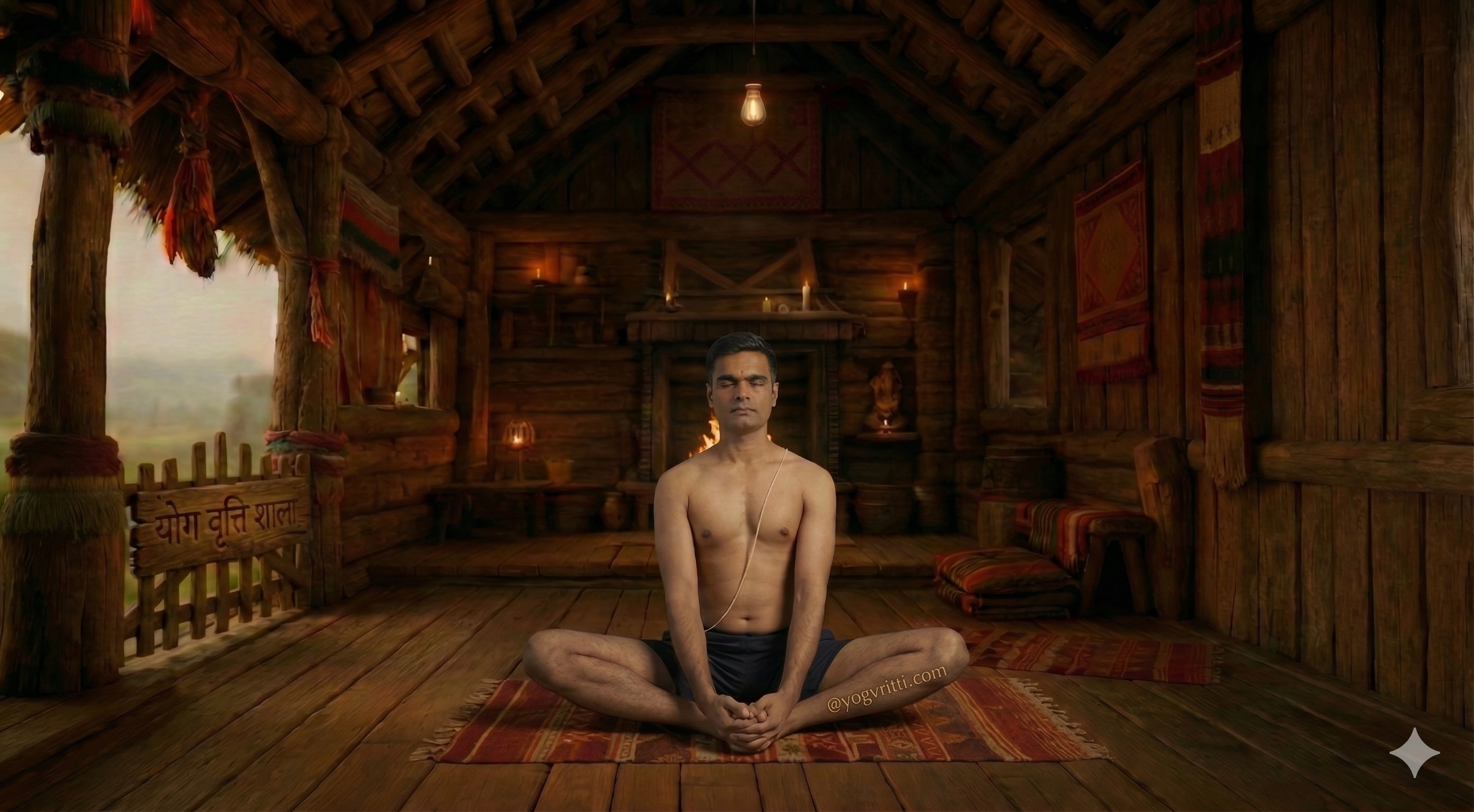
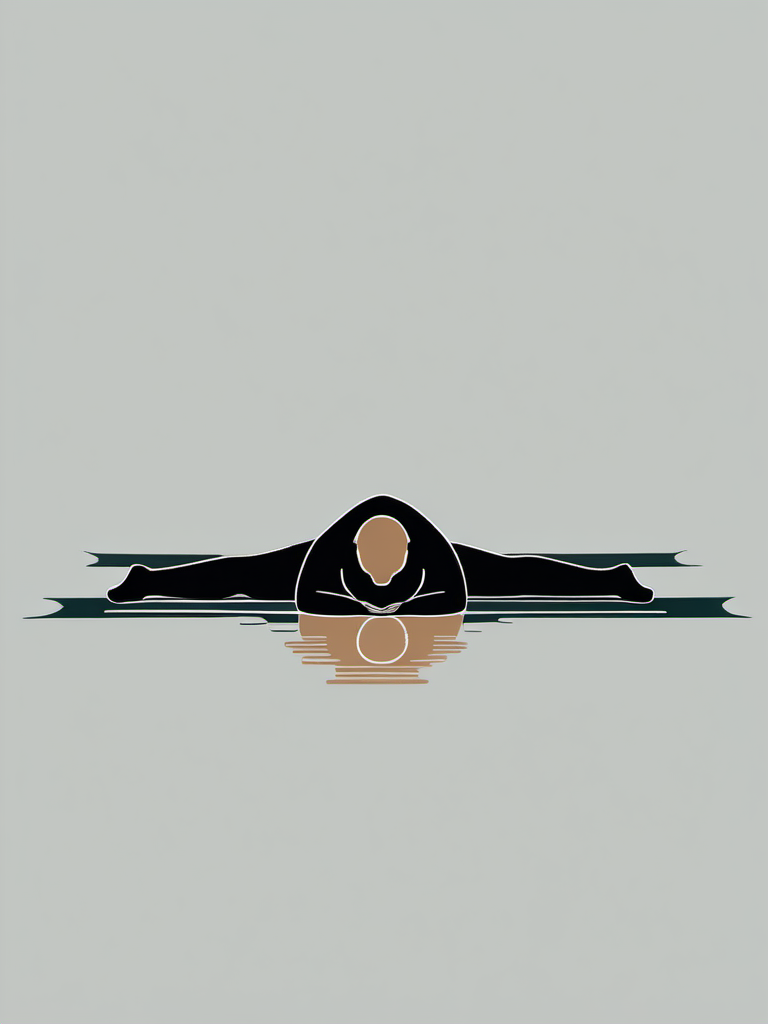
How to Practice
1. Come into Kurmasana (arms under legs).
2. Fold deeply forward.
3. Take arms behind the back — clasp hands (bind).
4. Cross feet behind the head — ankles stacked.
5. Forehead on the floor.
5 more steps remaining
Register free to see the complete instructions
Register Free to ContinueAlready registered? Login
Frequently Asked Questions
Common questions about Supta Kurmasana
What is Sleeping Tortoise Pose?
Sleeping Tortoise Pose, also called Supine Tortoise is a classical yoga posture. Its Sanskrit name Supta Kurmasana translates word-for-word as: Supta (Reclining) · Kurma (Tortoise) · Asana (Pose). In this posture, the body grounds through the sit bones while the spine rises tall. The posture works to lengthen the hamstrings, lengthen the spine and open and strengthen the shoulders. Deep introspection. Calms the entire nervous system. It is particularly valued for developing greater flexibility and quieting an anxious mind. Suitable for advanced practitioners with developed body awareness, it is a meaningful addition to any practice. Practitioners with spinal injury and shoulder injury should approach with care or consult a qualified teacher.
What are the benefits of Sleeping Tortoise Pose?
Extreme flexibility development. Deep introspection. Calms the entire nervous system.
Who should avoid Sleeping Tortoise Pose?
Avoid this pose if you have: Spinal injuries, Shoulder injuries, Hip injuries, Pregnancy.
How many steps are in Sleeping Tortoise Pose?
Sleeping Tortoise Pose is practiced in 10 steps. Come into Kurmasana (arms under legs).
Is Sleeping Tortoise Pose suitable for beginners?
Sleeping Tortoise Pose is an advanced-level pose. Beginners should practice with props or under guidance.
What conditions does Sleeping Tortoise Pose help with?
Sleeping Tortoise Pose is therapeutic for: flexibility, anxiety.
What poses should I do before Sleeping Tortoise Pose?
Prepare with: Staff Pose, Baddha Konasana, Upavistha Konasana. These warm up the relevant muscles and joints.
Related Poses
Similar poses you might enjoy
Build Your Own Sequence
Combine Supta Kurmasana with other poses