Three-Legged Downward Dog Pose
Three-Legged Downward-Facing Dog Pose · त्रि पाद अधो मुख श्वानासन
Also known as: Tri Pada Down Dog · Three-Legged Dog
Three-Legged Downward Dog Pose, also called Tri Pada Down Dog is a classical yoga posture. Its Sanskrit name Three-Legged Downward-Facing Dog Pose translates word-for-word as: Tri (Three) · Pada (Foot / Leg) · Adho (Downward) · Mukha (Face / Mouth). Beginning from a kneeling position, the practitioner aligns the body with precision and intentional breath. The posture works to open and strengthen the shoulders, lengthen the hamstrings and engage the core. Improves balance and coordination. Stretches hamstrings and calves. Suitable for intermediate practitioners with foundational yoga experience, it is a meaningful addition to any practice. Practitioners with wrist injury and hamstring injury should approach with care or consult a qualified teacher.
Anatomy Involved
Benefits
- Strengthens arms and shoulders
- Improves balance and coordination
- Stretches hamstrings and calves
- Opens hips and improves flexibility
- Strengthens core muscles
- Full anatomical benefits — muscles, joints, organs →
Avoid If
Shoulder Injury
Overhead loading and extreme shoulder rotation can impinge the subacromial space and overload rotator cuff tendons.
Avoid weight-bearing inversions entirely; practise supported Setu Bandha or Viparita Karani as an alternative.
High Blood Pressure
Vigorous effort and inverted positions temporarily raise blood pressure in the head, increasing strain on blood vessels.
Avoid this inversion entirely or keep the head above heart level at all times; never hold the breath.
Wrist Injury / Carpal Tunnel
Weight-bearing or extended wrist positions can compress the median nerve and aggravate inflamed tendons, worsening pain and causing numbness.
Practise a forearm inversion (Pincha Mayurasana) instead, or use a wall-supported headstand to remove wrist load entirely.
Hamstring Injury
Aggressive stretching of a torn or strained hamstring can reinjure muscle fibres — the attachment near the sitting bone is especially vulnerable.
Bend the knees generously, work within a pain-free range, and avoid any aggressive pulling on the hamstrings.
Common Mistakes to Avoid
Teaching Cues
For yoga teachers — verbal cues to guide students
6 cues
Teaching Cues
For yoga teachers — verbal cues to guide students
- 1Place padding under the knees if needed for comfort
- 2Align the hips directly above or behind the knees
- 3Keep the spine long and the chest lifted
- 4Press the tops of the feet or toes firmly into the floor
- 5Engage the core to support the lower back
- 6Fix the gaze on a steady point (drishti) for balance
Pose Details
Pose Type
Body Focus
Focus Areas
Yoga Styles
When to Practice
Position
Target Areas
Practice Flow
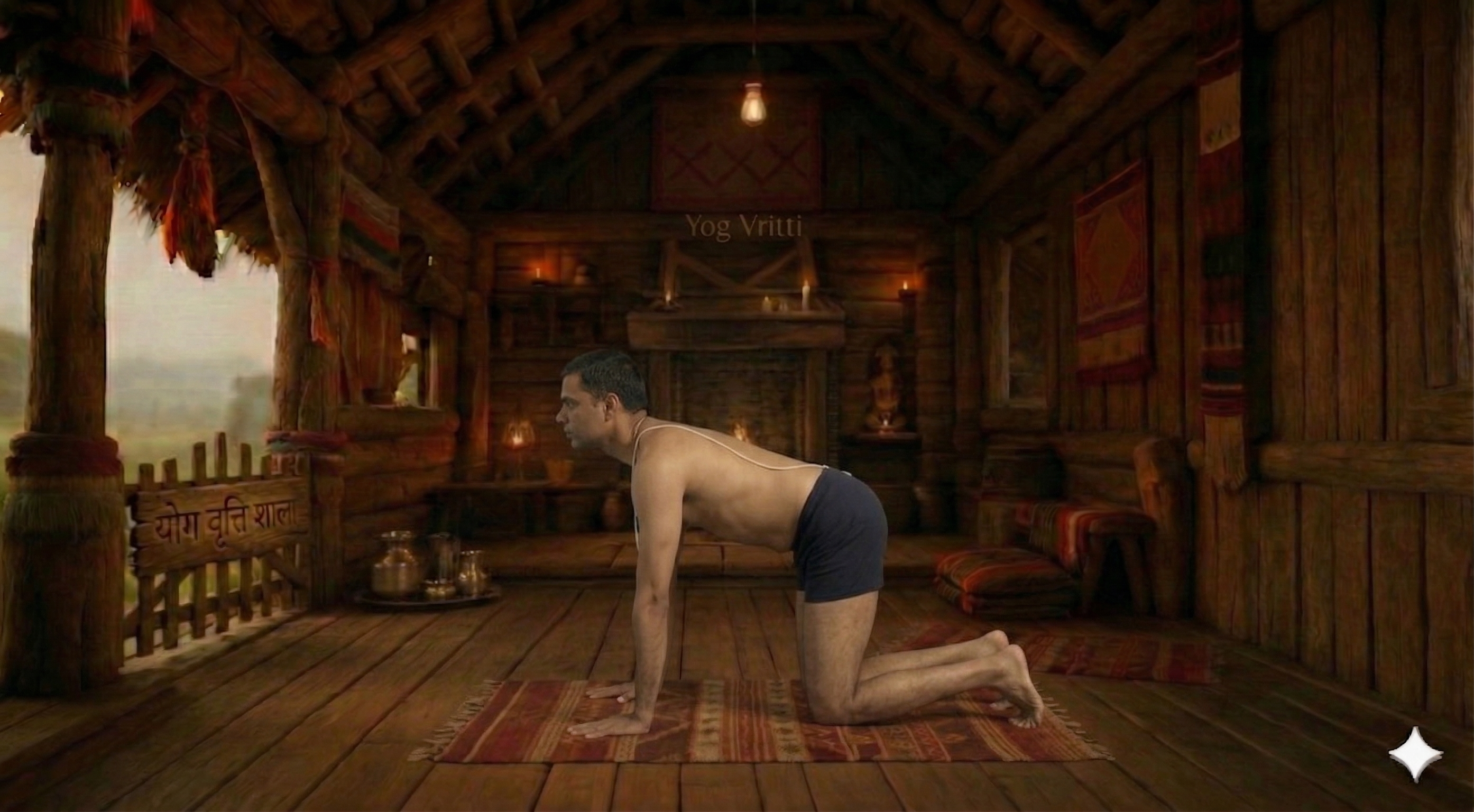
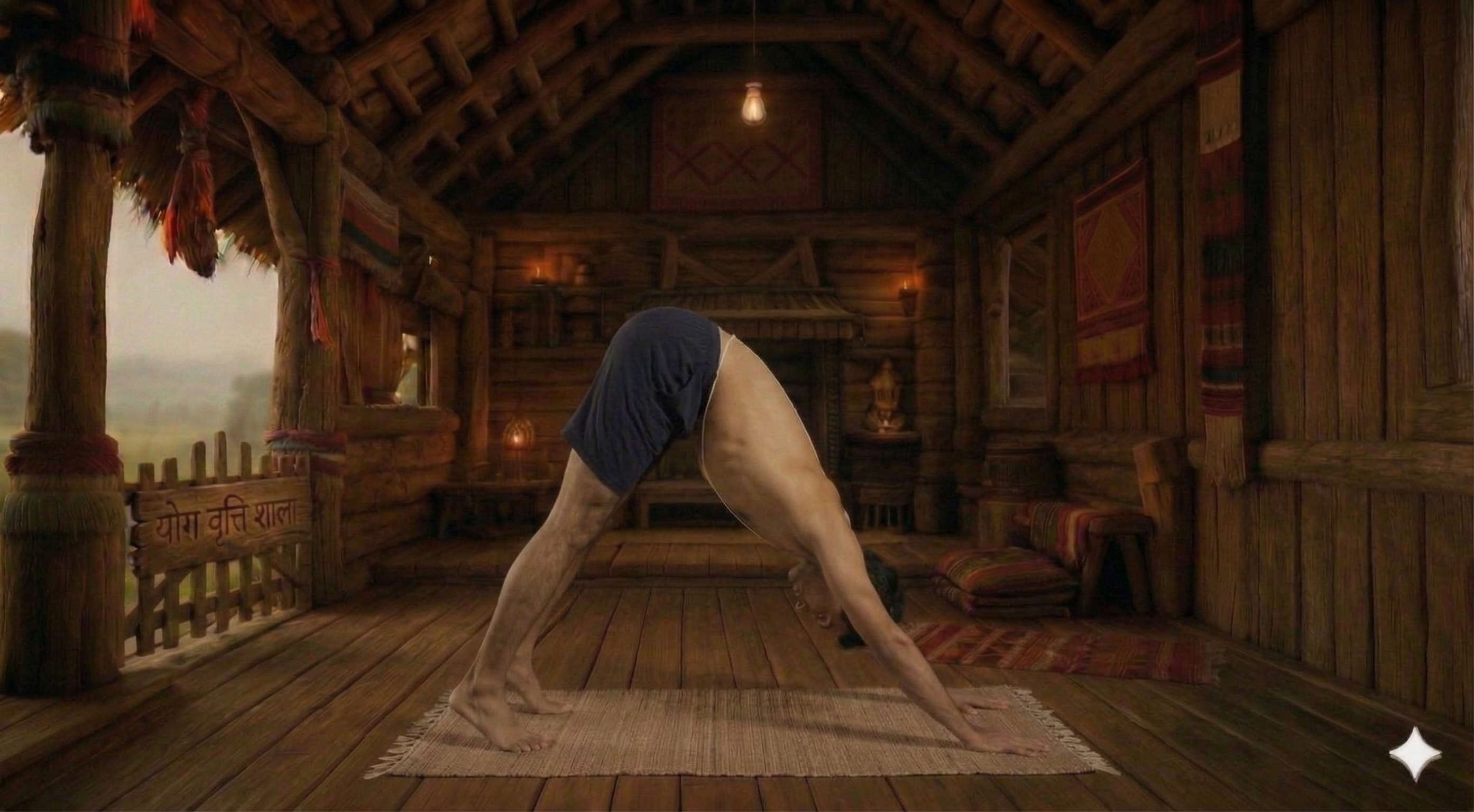
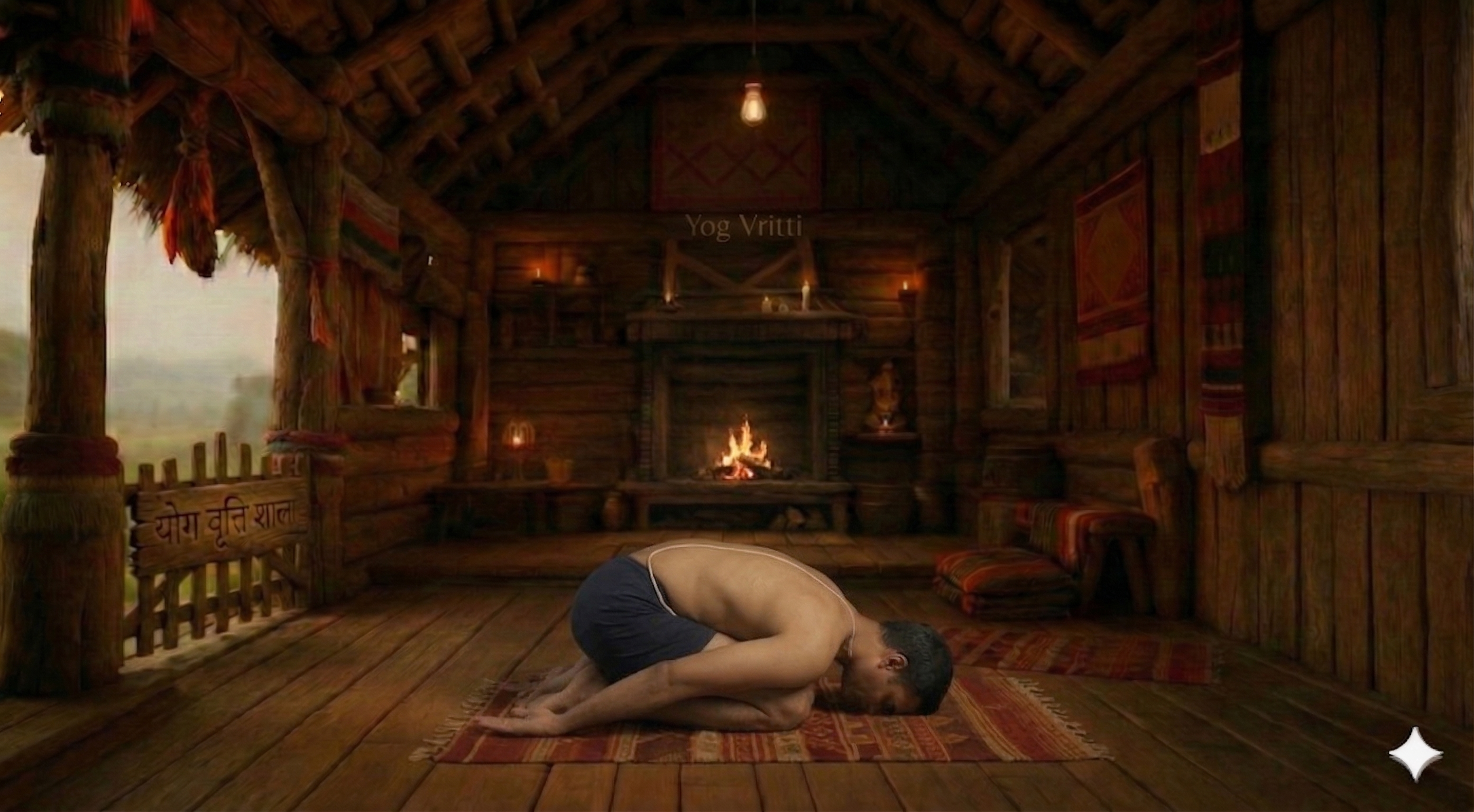
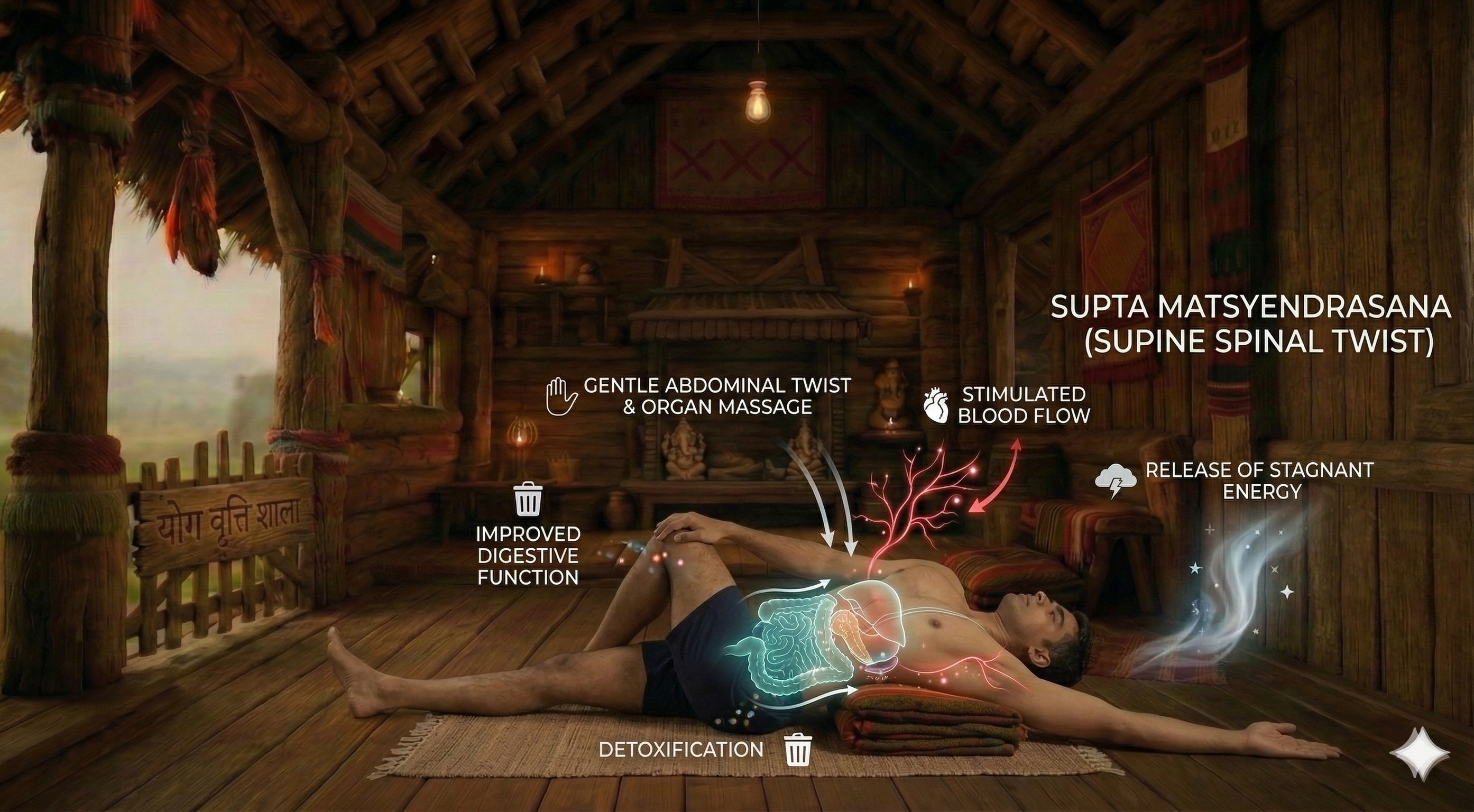
How to Practice
1. Begin in Adho Mukha Svanasana (Downward-Facing Dog).
2. Inhale, and lift your right leg towards the ceiling, keeping the leg straight and strong.
3. Ensure your hips remain square to the floor; avoid opening the hip of the raised leg.
4. Ground firmly through the left foot, pressing the heel towards the floor.
5. Keep your gaze softly focused between your hands.
5 more steps remaining
Register free to see the complete instructions
Register Free to ContinueAlready registered? Login
Frequently Asked Questions
Common questions about Three-Legged Downward-Facing Dog Pose
What is Three-Legged Downward Dog Pose?
Three-Legged Downward Dog Pose, also called Tri Pada Down Dog is a classical yoga posture. Its Sanskrit name Three-Legged Downward-Facing Dog Pose translates word-for-word as: Tri (Three) · Pada (Foot / Leg) · Adho (Downward) · Mukha (Face / Mouth). Beginning from a kneeling position, the practitioner aligns the body with precision and intentional breath. The posture works to open and strengthen the shoulders, lengthen the hamstrings and engage the core. Improves balance and coordination. Stretches hamstrings and calves. Suitable for intermediate practitioners with foundational yoga experience, it is a meaningful addition to any practice. Practitioners with wrist injury and hamstring injury should approach with care or consult a qualified teacher.
What are the benefits of Three-Legged Downward Dog Pose?
Strengthens arms and shoulders. Improves balance and coordination. Stretches hamstrings and calves. Opens hips and improves flexibility. Strengthens core muscles. Calms the mind and reduces stress.
Who should avoid Three-Legged Downward Dog Pose?
Avoid this pose if you have: Shoulder injuries, High blood pressure, Wrist pain, Hamstring injuries.
How many steps are in Three-Legged Downward Dog Pose?
Three-Legged Downward Dog Pose is practiced in 10 steps. Begin in Adho Mukha Svanasana (Downward-Facing Dog).
Is Three-Legged Downward Dog Pose suitable for beginners?
Three-Legged Downward Dog Pose is an intermediate-level pose. Beginners should practice with props or under guidance.
What poses should I do before Three-Legged Downward Dog Pose?
Prepare with: Bharmanasana (Table top pose), Virasana, Adho Mukha Svanasana. These warm up the relevant muscles and joints.
Related Poses
Similar poses you might enjoy
Build Your Own Sequence
Combine Three-Legged Downward-Facing Dog Pose with other poses