Ocean Breath
Ujjayi Pranayama · उज्जायी प्राणायाम
Also known as: Ujjayi · Victorious Breath · Ujjayi Pranayama
Ocean Breath, also called Ujjayi is a classical yoga posture. Its Sanskrit name Ujjayi Pranayama translates word-for-word as: Ujjayi (Victorious) · Prana (Breath) · Ayama (Extension). In this posture, the body grounds through the sit bones while the spine rises tall. Foundation of Vinyasa breathing. Calms the nervous system. Warms the body internally. It is particularly valued for quieting an anxious mind and supporting restful sleep. Suitable for beginners and regular practitioners alike, it is an excellent warm-up, particularly beneficial for beginners and athletes. Practitioners with low blood pressure should approach with care or consult a qualified teacher.
Anatomy Involved
Benefits
Diaphragm(activating)
This dome-shaped primary muscle of respiration, situated at the base of the rib cage, engages more fully and smoothly with Ujjayi. The subtle resistance created by the throat constriction provides a gentle "load" against which the diaphragm works, encouraging its full excursion downwards on inhalation and controlled recoil on exhalation. This strengthens the diaphragm and improves its efficiency, leading to deeper, more complete breaths and a profound sense of grounded energy, or apana vayu.
Throat constrictors(activating)
These small, intricate muscles around the larynx and pharynx are subtly engaged to create the characteristic oceanic sound of Ujjayi. The gentle narrowing of the glottis provides a controlled resistance, which not only regulates the speed of air but also creates a meditative auditory feedback loop. This conscious engagement brings a refined awareness to the subtle mechanics of the breath, enhancing pratyahara (sensory withdrawal) and deepening mental focus.
Intercostals(activating)
Situated between the ribs, these accessory muscles of respiration support the diaphragm in expanding and contracting the rib cage. In Ujjayi, the controlled, lengthened breath encourages a more complete and coordinated action of these muscles, promoting fuller thoracic expansion and greater lung capacity. This sustained, gentle engagement helps to mobilize the rib cage, fostering a sense of spaciousness in the chest and allowing for a freer flow of prana throughout the torso.
- Full anatomical benefits — muscles, joints, organs →
Avoid If
Low Blood Pressure
Rising quickly from low positions can cause a sudden drop in blood pressure, leading to dizziness or fainting.
Move slowly between positions, keep eyes open, and rest against a wall if dizziness arises.
Common Mistakes to Avoid
Teaching Cues
For yoga teachers — verbal cues to guide students
6 cues
Teaching Cues
For yoga teachers — verbal cues to guide students
- 1Sit on the front edge of your sitting bones
- 2Lengthen the spine upward on each inhalation
- 3Keep the chest lifted and shoulders relaxed
- 4Ground down through the sitting bones
- 5Maintain an elongated spine — avoid rounding the back
- 6Surrender the weight of the body to the props and the floor
Pose Details
Helps With
Pose Type
Body Focus
Focus Areas
Best For
Yoga Styles
When to Practice
Position
Target Areas
Practice Flow
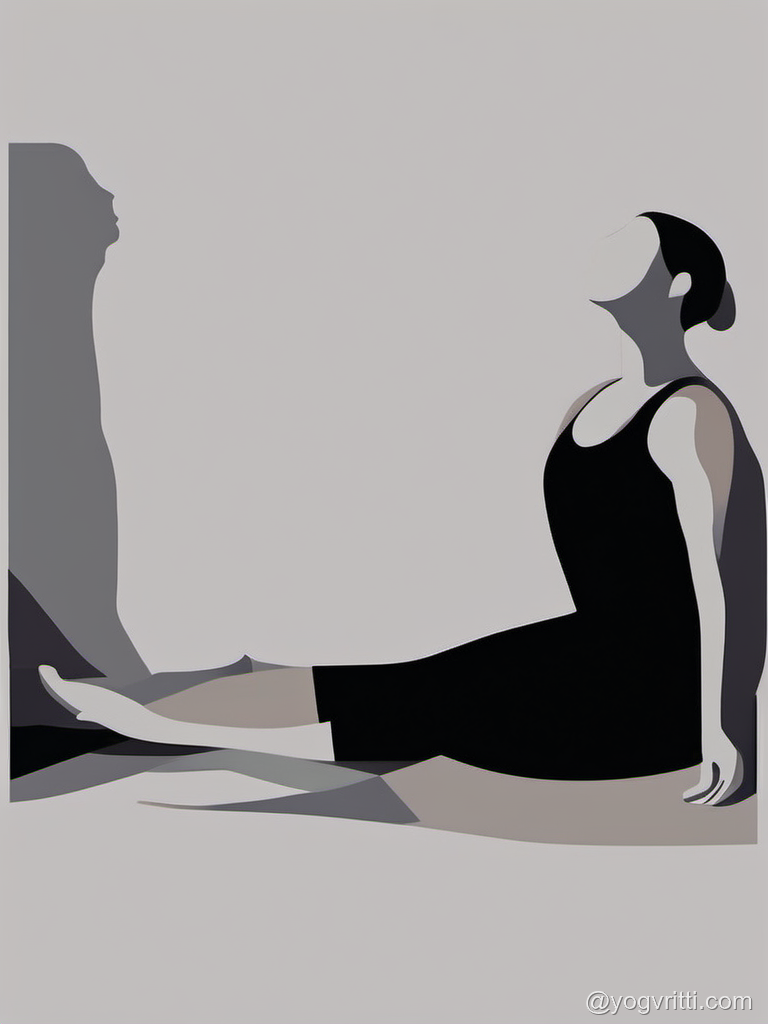
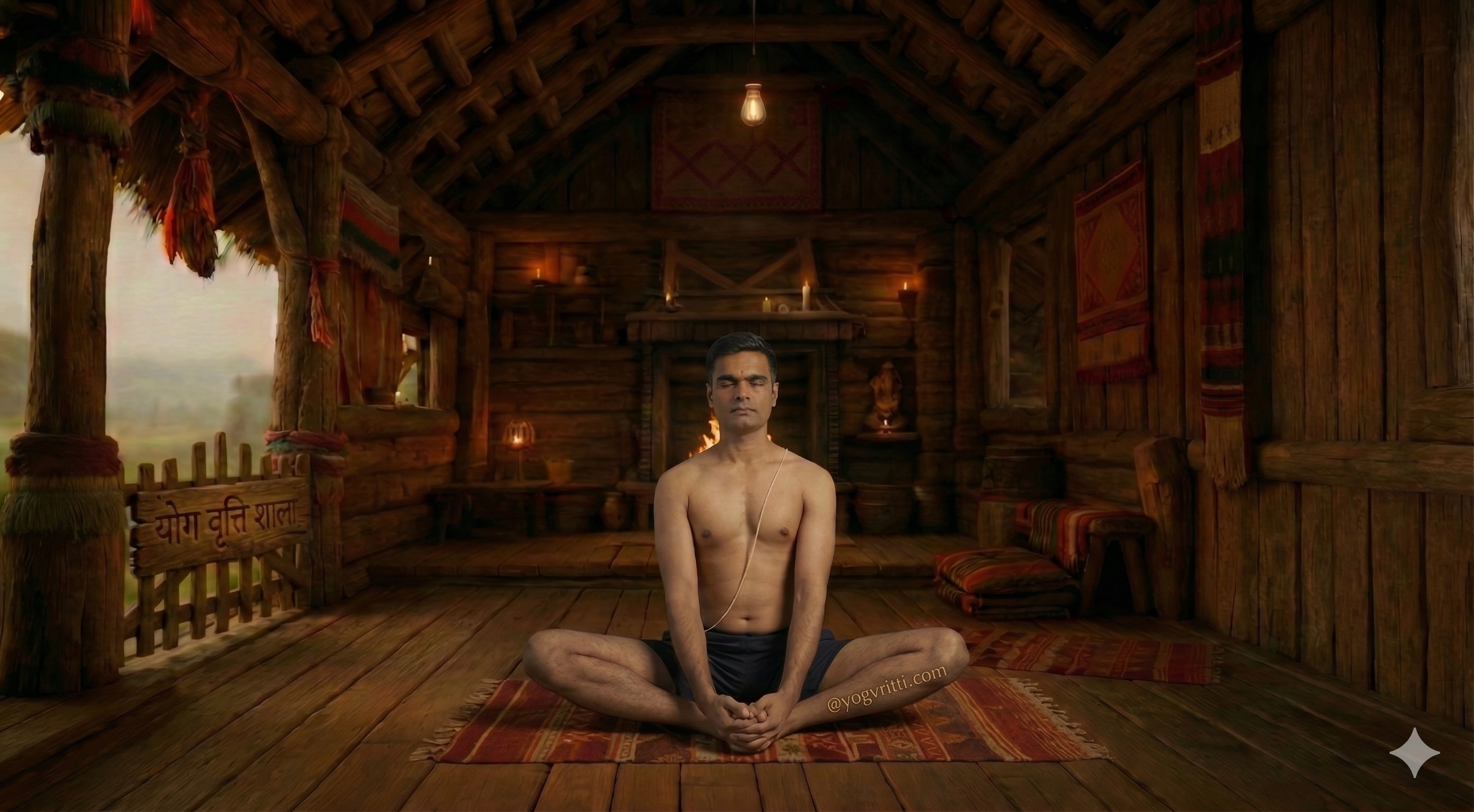
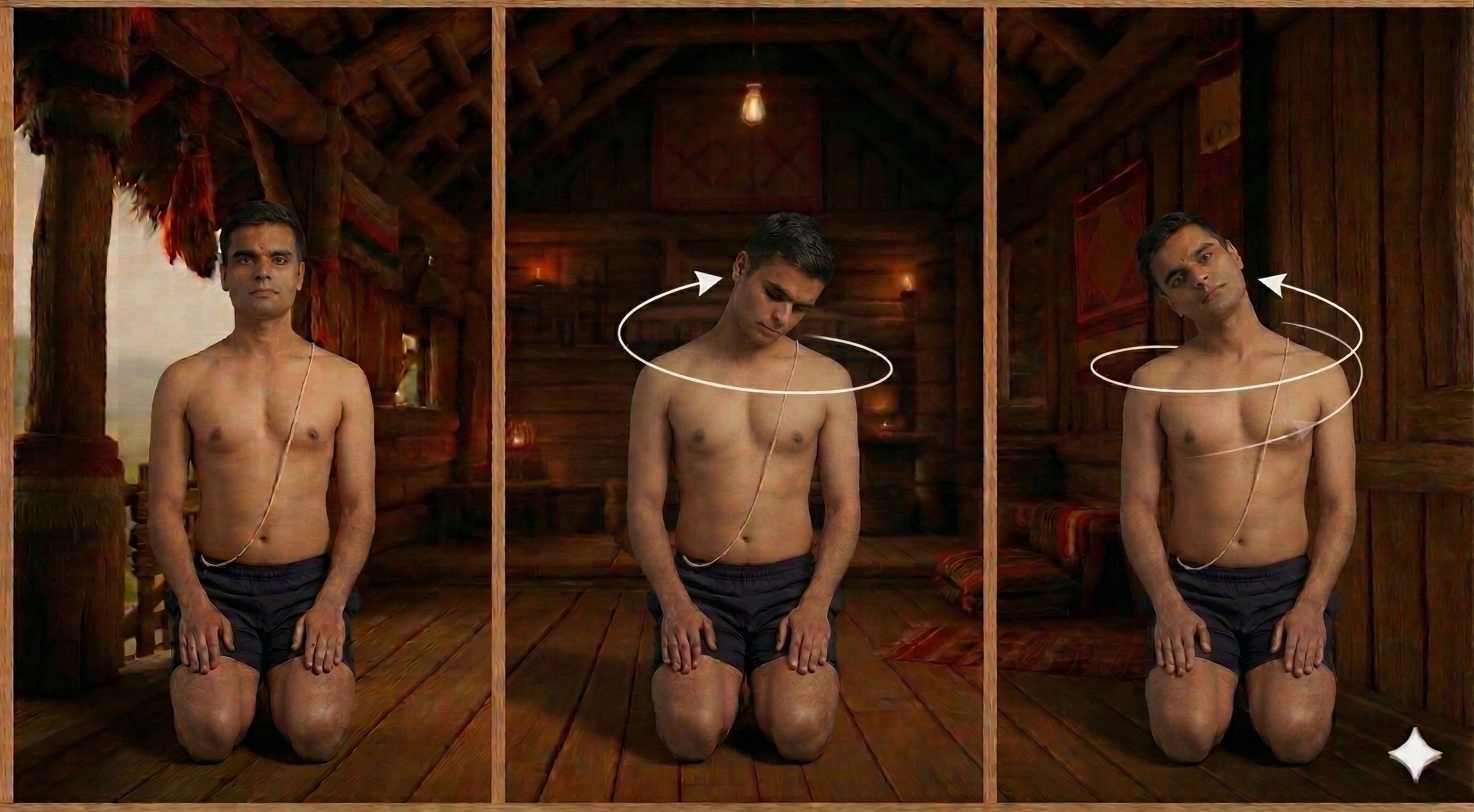
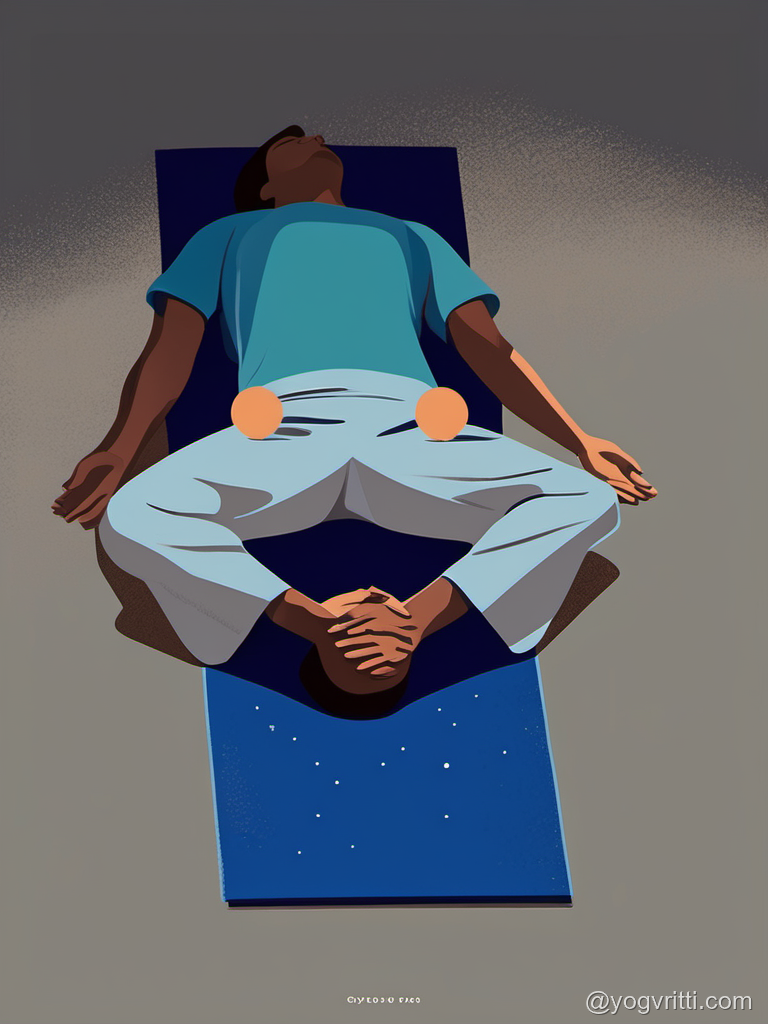
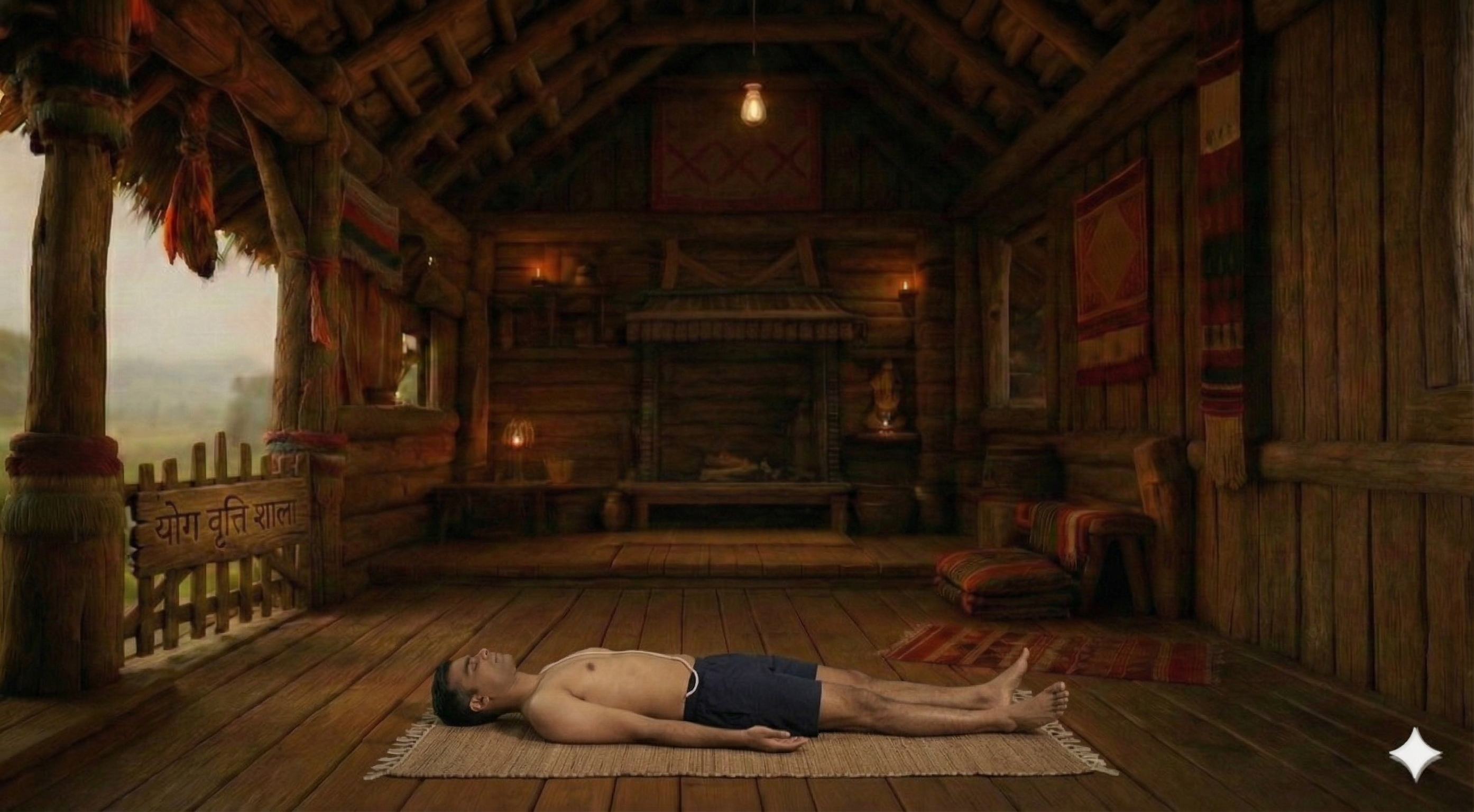
How to Practice
1. Sit in Sukhasana or any asana.
2. Mouth closed.
3. Slight constriction at the back of the throat — like fogging a mirror.
4. Inhale through nose — gentle oceanic sound in the throat.
5. 4 count inhale.
5 more steps remaining
Register free to see the complete instructions
Register Free to ContinueAlready registered? Login
Frequently Asked Questions
Common questions about Ujjayi Pranayama
What is Ocean Breath?
Ocean Breath, also called Ujjayi is a classical yoga posture. Its Sanskrit name Ujjayi Pranayama translates word-for-word as: Ujjayi (Victorious) · Prana (Breath) · Ayama (Extension). In this posture, the body grounds through the sit bones while the spine rises tall. Foundation of Vinyasa breathing. Calms the nervous system. Warms the body internally. It is particularly valued for quieting an anxious mind and supporting restful sleep. Suitable for beginners and regular practitioners alike, it is an excellent warm-up, particularly beneficial for beginners and athletes. Practitioners with low blood pressure should approach with care or consult a qualified teacher.
What are the benefits of Ocean Breath?
Foundation of Vinyasa breathing. Calms the nervous system. Warms the body internally. Improves concentration. Regulates blood pressure.
Who should avoid Ocean Breath?
Avoid this pose if you have: Low blood pressure (may lower further), Severe throat conditions.
How many steps are in Ocean Breath?
Ocean Breath is practiced in 10 steps. Sit in Sukhasana or any asana.
Is Ocean Breath suitable for beginners?
Yes, Ocean Breath is a beginner-friendly pose suitable for all levels.
What conditions does Ocean Breath help with?
Ocean Breath is therapeutic for: anxiety, insomnia, hypertension, depression.
What poses should I do before Ocean Breath?
Prepare with: Seated Tadasana, Baddha Konasana, Neck Rolls. These warm up the relevant muscles and joints.
Related Poses
Similar poses you might enjoy

Build Your Own Sequence
Combine Ujjayi Pranayama with other poses