Extended Hand-to-Big-Toe Pose with Chair
Utthita Hasta Padangusthasana (with chair) · उत्थित हस्त पादांगुष्ठासन (कुर्सी के साथ)
Also known as: Chair-Supported Big Toe Hold
Extended Hand-to-Big-Toe Pose with Chair, also called Chair-Supported Big Toe Hold is a classical yoga posture. Its Sanskrit name Utthita Hasta Padangusthasana (with chair) translates word-for-word as: Utthita (Extended / Raised) · Hasta (Hand) · Padangusthasana (Padangusthasana) · Asana (Pose). From a standing position, the body roots firmly through the feet while the spine extends upward. The posture works to engage the core. Stretches hamstrings progressively. Strengthens the standing leg. It is particularly valued for developing greater flexibility. Suitable for beginners and regular practitioners alike, it is a meaningful addition to any practice, particularly beneficial for beginners and seniors. A chair can be used to make the posture more accessible and support correct alignment. Practitioners with hamstring injury and groin injury should approach with care or consult a qualified teacher.
Anatomy Involved
Benefits
Hamstrings(lengthening)
The powerful muscles at the back of your raised thigh (hamstrings) receive a profound, sustained lengthening in this posture. As you gently extend the leg on the chair, the nervous system is coaxed into releasing chronic tension, allowing these muscles to gradually unwind. This release helps to free apana vayu, the downward energy, promoting a feeling of lightness and ease in the pelvis and lower back. Regular practice here builds intelligent flexibility, crucial for spinal health and fluid movement.
Quadriceps(strengthening)
The large muscles on the front of your standing thigh (quadriceps) are actively engaged to keep the standing leg strong and straight, preventing the knee from collapsing. This isometric contraction builds resilient strength around the knee joint, creating a stable foundation for the entire pose. From a yogic perspective, this active engagement cultivates tapas (discipline and heat), awakening the musculature and supporting the upward flow of prana. It teaches the leg to be both firm and receptive.
Gluteus Medius and Minimus(stabilizing)
Deep on the side of your standing hip, these smaller but mighty muscles (gluteus medius and minimus) are crucial for maintaining lateral stability, preventing the standing hip from swinging out or collapsing inwards. They work tirelessly to keep your pelvis level and aligned over the ankle, grounding your foundation. This subtle yet powerful engagement fosters a sense of inner equilibrium and helps to stabilize the root chakra, allowing for a steady and balanced energetic field.
- Full anatomical benefits — muscles, joints, organs →
Avoid If
Knee Injury
Deep flexion or rotation at the knee can strain ligaments, meniscus, or cartilage, especially in a compromised joint.
Bend the knees generously to protect the joint and keep the weight in the heels rather than the toes.
Balance Disorders
Impaired proprioception increases the risk of falls during standing and balancing poses.
Practise next to a wall or chair for support; keep both feet on the ground wherever possible.
Props That Can Help
Optional supports — use when helpful, not required
Chair
Rest forearms on the seat of a chair in a standing forward fold to keep the head above the heart — helpful for high blood pressure or tight hamstrings.
Common Mistakes to Avoid
Teaching Cues
For yoga teachers — verbal cues to guide students
7 cues
Teaching Cues
For yoga teachers — verbal cues to guide students
- 1Ground firmly through all four corners of both feet
- 2Engage the quadriceps by lifting the kneecaps
- 3Lengthen the spine from the tailbone to the crown of the head
- 4Draw the shoulder blades down and back
- 5Maintain steady, even breathing throughout
- 6Hinge from the hips, leading with the chest
- 7Fix the gaze on a steady point (drishti) for balance
Pose Details
Helps With
Pose Type
Body Focus
Focus Areas
Best For
Yoga Styles
When to Practice
Position
Modify If You Have
hamstring injury
Keep knee slightly bent, do not lift leg too high.
groin injury
Keep leg lower, avoid outward rotation.
knee injury
Keep standing leg knee soft, support lifted leg with a strap or hand on thigh.
sciatica
Keep spine elongated, avoid rounding, may keep leg lower.
vertigo
Ensure firm grip on chair, keep gaze steady.
Target Areas
Practice Flow
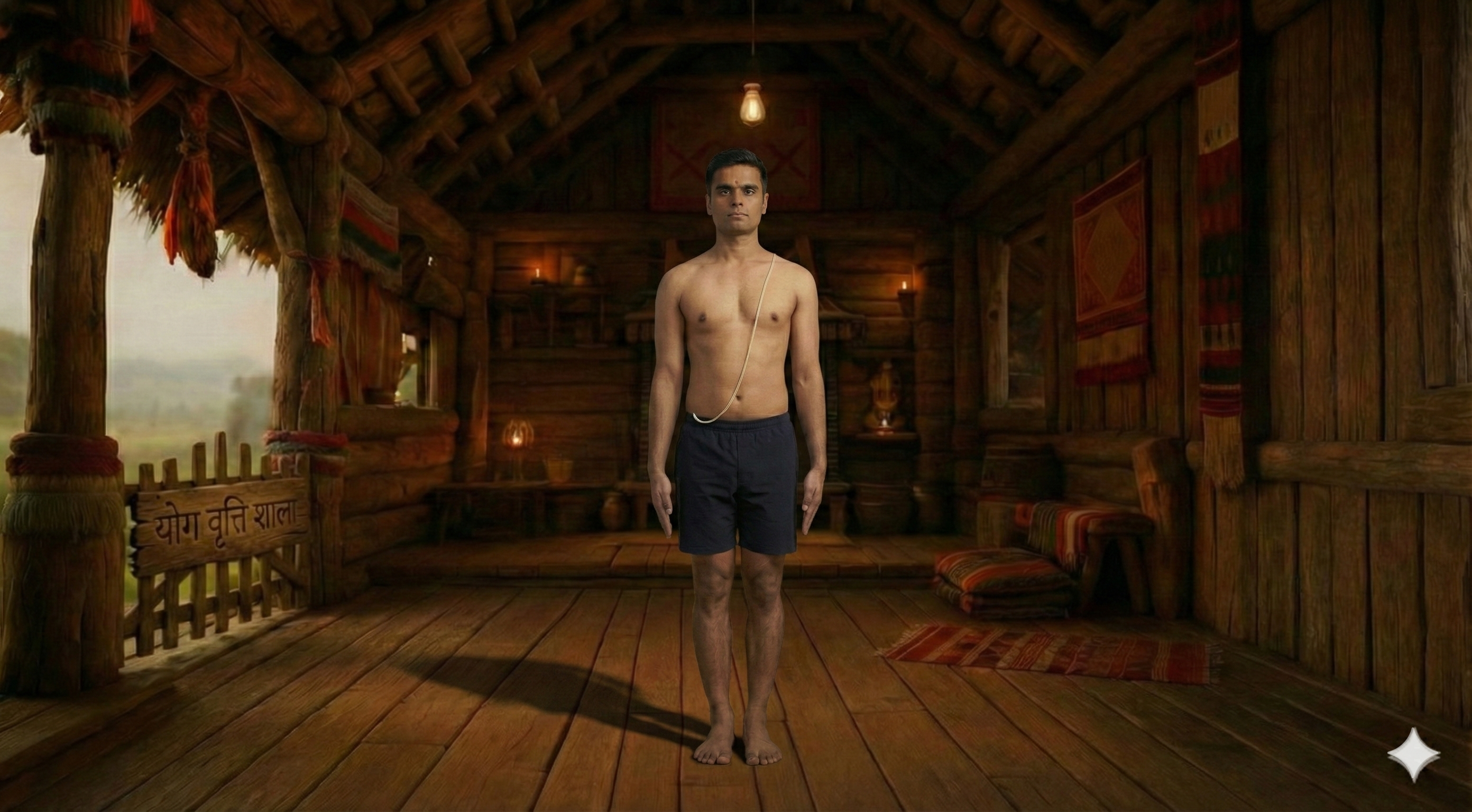

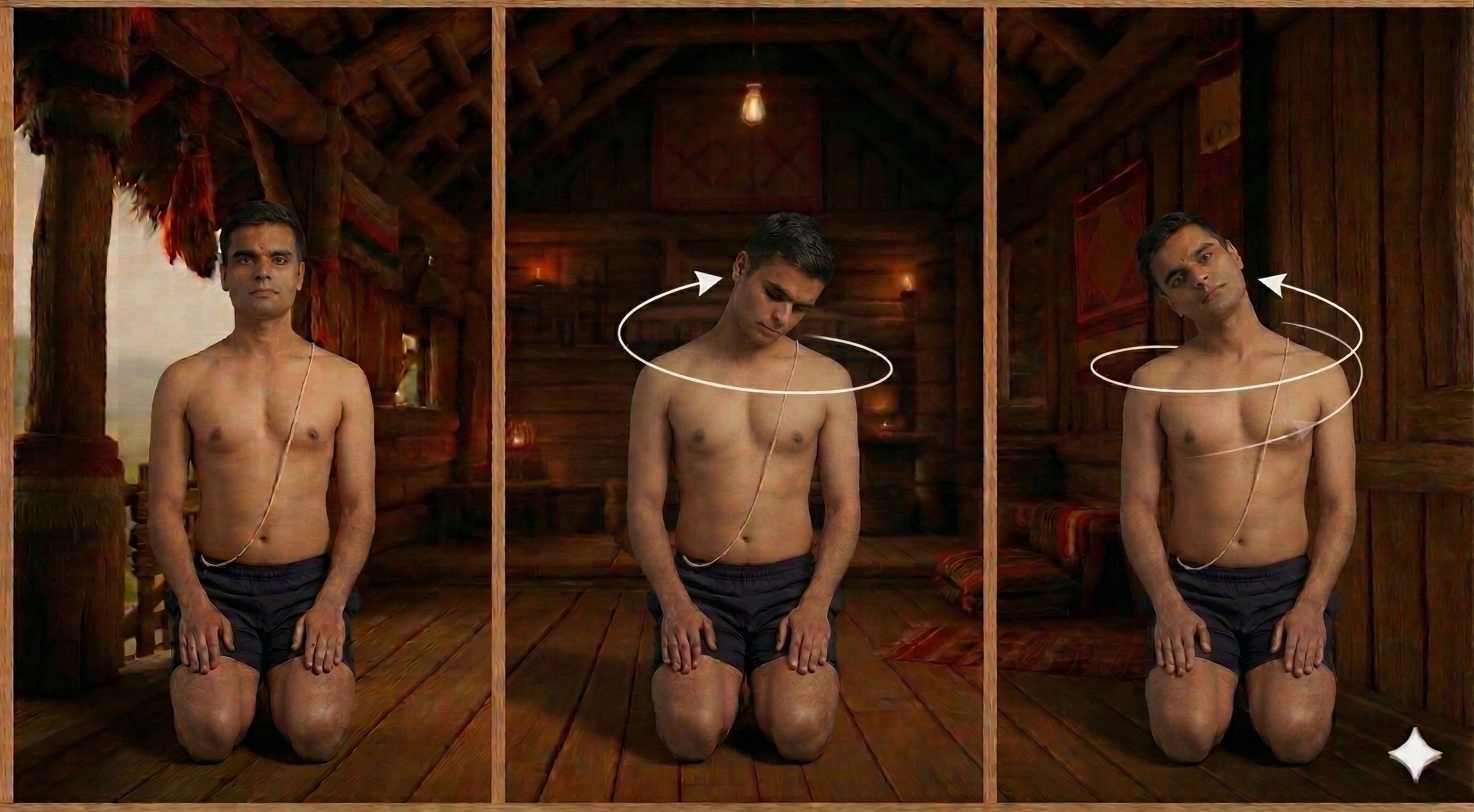

How to Practice
1. Chair के सामने खड़े हो जाएं, support के लिए chair के back को पकड़ें।
2. अपने weight को अपने left leg पर shift करें, अपने quadriceps और gluteus muscles को engage करें।
3. अपने right knee को अपनी छाती की ओर उठाएं।
4. अपने right leg को आगे की ओर फैलाएं, यदि आवश्यक हो तो अपने knee में हल्का bend रखें।
5. Balance और stability के लिए chair के back को पकड़ें।
5 more steps remaining
Register free to see the complete instructions
Register Free to ContinueAlready registered? Login
Featured in Sequences
Practice Utthita Hasta Padangusthasana (with chair) as part of these guided sequences
Frequently Asked Questions
Common questions about Utthita Hasta Padangusthasana (with chair)
What is Extended Hand-to-Big-Toe Pose with Chair?
Extended Hand-to-Big-Toe Pose with Chair, also called Chair-Supported Big Toe Hold is a classical yoga posture. Its Sanskrit name Utthita Hasta Padangusthasana (with chair) translates word-for-word as: Utthita (Extended / Raised) · Hasta (Hand) · Padangusthasana (Padangusthasana) · Asana (Pose). From a standing position, the body roots firmly through the feet while the spine extends upward. The posture works to engage the core. Stretches hamstrings progressively. Strengthens the standing leg. It is particularly valued for developing greater flexibility. Suitable for beginners and regular practitioners alike, it is a meaningful addition to any practice, particularly beneficial for beginners and seniors. A chair can be used to make the posture more accessible and support correct alignment. Practitioners with hamstring injury and groin injury should approach with care or consult a qualified teacher.
What are the benefits of Extended Hand-to-Big-Toe Pose with Chair?
Develops balance with chair support. Stretches hamstrings progressively. Strengthens the standing leg. Builds confidence for the full pose. Accessible for beginners.
Who should avoid Extended Hand-to-Big-Toe Pose with Chair?
Avoid this pose if you have: Acute ankle or knee injury, Severe balance disorder.
How many steps are in Extended Hand-to-Big-Toe Pose with Chair?
Extended Hand-to-Big-Toe Pose with Chair is practiced in 10 steps. Chair के सामने खड़े हो जाएं, support के लिए chair के back को पकड़ें।
Is Extended Hand-to-Big-Toe Pose with Chair suitable for beginners?
Yes, Extended Hand-to-Big-Toe Pose with Chair is a beginner-friendly pose suitable for all levels.
What props are needed for Extended Hand-to-Big-Toe Pose with Chair?
You may use: chair. Props make the pose more accessible and comfortable.
What conditions does Extended Hand-to-Big-Toe Pose with Chair help with?
Extended Hand-to-Big-Toe Pose with Chair is therapeutic for: flexibility, hamstring injury, strength, posture correction, hip injury.
What poses should I do before Extended Hand-to-Big-Toe Pose with Chair?
Prepare with: Tadasana, Shoulder Rolls, Neck Rolls, Tadasana Variation: Heel Raises. These warm up the relevant muscles and joints.
Related Poses
Similar poses you might enjoy
Build Your Own Sequence
Combine Utthita Hasta Padangusthasana (with chair) with other poses