Tree Pose with Prayer Hands
Vrksasana with hands in Anjali mudra · वृक्षासन अंजलि मुद्रा में हाथों से
Also known as: Namaste Tree Pose
Tree Pose with Prayer Hands, also called Namaste Tree Pose is a classical yoga posture. Its Sanskrit name Vrksasana with hands in Anjali mudra translates word-for-word as: Vrksasana (Vrksasana) · Anjali (Anjali) · Mudra (Seal / Gesture). From a standing position, the body roots firmly through the feet while the spine extends upward. The posture works to engage the core, strengthen the quadriceps and stretch the calves. Strengthens legs and core. Enhances focus and concentration. It is particularly valued for improving overall posture and building full-body strength. Suitable for beginners and regular practitioners alike, it is a meaningful addition to any practice, particularly beneficial for beginners and seniors. Practitioners with low blood pressure and migraine should approach with care or consult a qualified teacher.
Anatomy Involved
Benefits
Quadriceps(strengthening)
These powerful muscles on the front of your standing thigh are actively engaged, working concentrically and eccentrically to stabilize the knee joint and support your body weight. They act like strong pillars, preventing the knee from collapsing and providing a firm foundation for the entire posture. This engagement builds muscular intelligence and endurance, allowing you to feel more secure and rooted, embodying a steady earth element (prithvi tattva).
Gluteus Medius and Minimus(stabilizing)
Located on the outer aspect of your standing hip, these critical muscles work tirelessly to abduct the hip and stabilize the pelvis, preventing it from tilting laterally. They are the unsung heroes of single-leg balance, ensuring that your pelvis remains level and your trunk upright throughout the pose. By strengthening these stabilizers, you cultivate a profound sense of inner equilibrium and steadiness, translating to greater confidence both on and off the mat.
Core Abdominals(stabilizing)
The deep core muscles wrap around your trunk like a natural corset, drawing the navel gently towards the spine to stabilize the lumbar spine and pelvis. This subtle engagement creates a powerful central axis, allowing for spinal elongation and a feeling of lightness in the upper body. Activating your core in this way supports the upward flow of energy (udana vayu), promoting mental clarity and an uplifted spirit.
- Full anatomical benefits — muscles, joints, organs →
Avoid If
Low Blood Pressure
Rising quickly from low positions can cause a sudden drop in blood pressure, leading to dizziness or fainting.
Rise slowly from seated or lying positions, pause in a mid-level shape before fully standing, and use a wall for support.
Headache / Migraine
Physical exertion, inversions, and strong breath work can intensify an existing headache or trigger a migraine.
Keep effort minimal, breathe slowly, and skip any vigorous transitions.
Insomnia
Stimulating pranayama and energising poses can activate the sympathetic nervous system, making sleep harder if practised late in the day.
Practise calming, exhalation-focused breath work; avoid stimulating postures or pranayama close to bedtime.
Severe Anxiety
Breath retention and intense pranayama can heighten autonomic arousal and increase panic in highly anxious individuals.
Focus on long, smooth exhalations to activate the parasympathetic nervous system; avoid breath retention until the system has stabilised.
Common Mistakes to Avoid
Teaching Cues
For yoga teachers — verbal cues to guide students
6 cues
Teaching Cues
For yoga teachers — verbal cues to guide students
- 1Ground firmly through all four corners of both feet
- 2Engage the quadriceps by lifting the kneecaps
- 3Lengthen the spine from the tailbone to the crown of the head
- 4Draw the shoulder blades down and back
- 5Maintain steady, even breathing throughout
- 6Fix the gaze on a steady point (drishti) for balance
Pose Details
Helps With
Pose Type
Body Focus
Focus Areas
Best For
Yoga Styles
When to Practice
Position
Modify If You Have
vertigo
Use wall support, keep eyes open and gaze steady.
Target Areas
Practice Flow


How to Practice
1. Begin in Tadasana, grounding firmly through both feet.
2. Shift your weight onto your left foot.
3. Place the sole of your right foot on your inner left thigh, avoiding the knee.
4. Press your right foot firmly into your left thigh, and your left thigh back into your right foot.
5. Find a focal point (drishti) to help maintain balance.
6 more steps remaining
Register free to see the complete instructions
Register Free to ContinueAlready registered? Login
Frequently Asked Questions
Common questions about Vrksasana with hands in Anjali mudra
What is Tree Pose with Prayer Hands?
Tree Pose with Prayer Hands, also called Namaste Tree Pose is a classical yoga posture. Its Sanskrit name Vrksasana with hands in Anjali mudra translates word-for-word as: Vrksasana (Vrksasana) · Anjali (Anjali) · Mudra (Seal / Gesture). From a standing position, the body roots firmly through the feet while the spine extends upward. The posture works to engage the core, strengthen the quadriceps and stretch the calves. Strengthens legs and core. Enhances focus and concentration. It is particularly valued for improving overall posture and building full-body strength. Suitable for beginners and regular practitioners alike, it is a meaningful addition to any practice, particularly beneficial for beginners and seniors. Practitioners with low blood pressure and migraine should approach with care or consult a qualified teacher.
What are the benefits of Tree Pose with Prayer Hands?
Improves balance and stability. Strengthens legs and core. Enhances focus and concentration. Calms the mind. Increases body awareness. Opens hips.
Who should avoid Tree Pose with Prayer Hands?
Avoid this pose if you have: Low blood pressure, Headaches, Insomnia, Anxiety, Balance problems.
How many steps are in Tree Pose with Prayer Hands?
Tree Pose with Prayer Hands is practiced in 11 steps. Begin in Tadasana, grounding firmly through both feet.
Is Tree Pose with Prayer Hands suitable for beginners?
Yes, Tree Pose with Prayer Hands is a beginner-friendly pose suitable for all levels.
What conditions does Tree Pose with Prayer Hands help with?
Tree Pose with Prayer Hands is therapeutic for: posture correction, strength, flexibility, depression.
What poses should I do before Tree Pose with Prayer Hands?
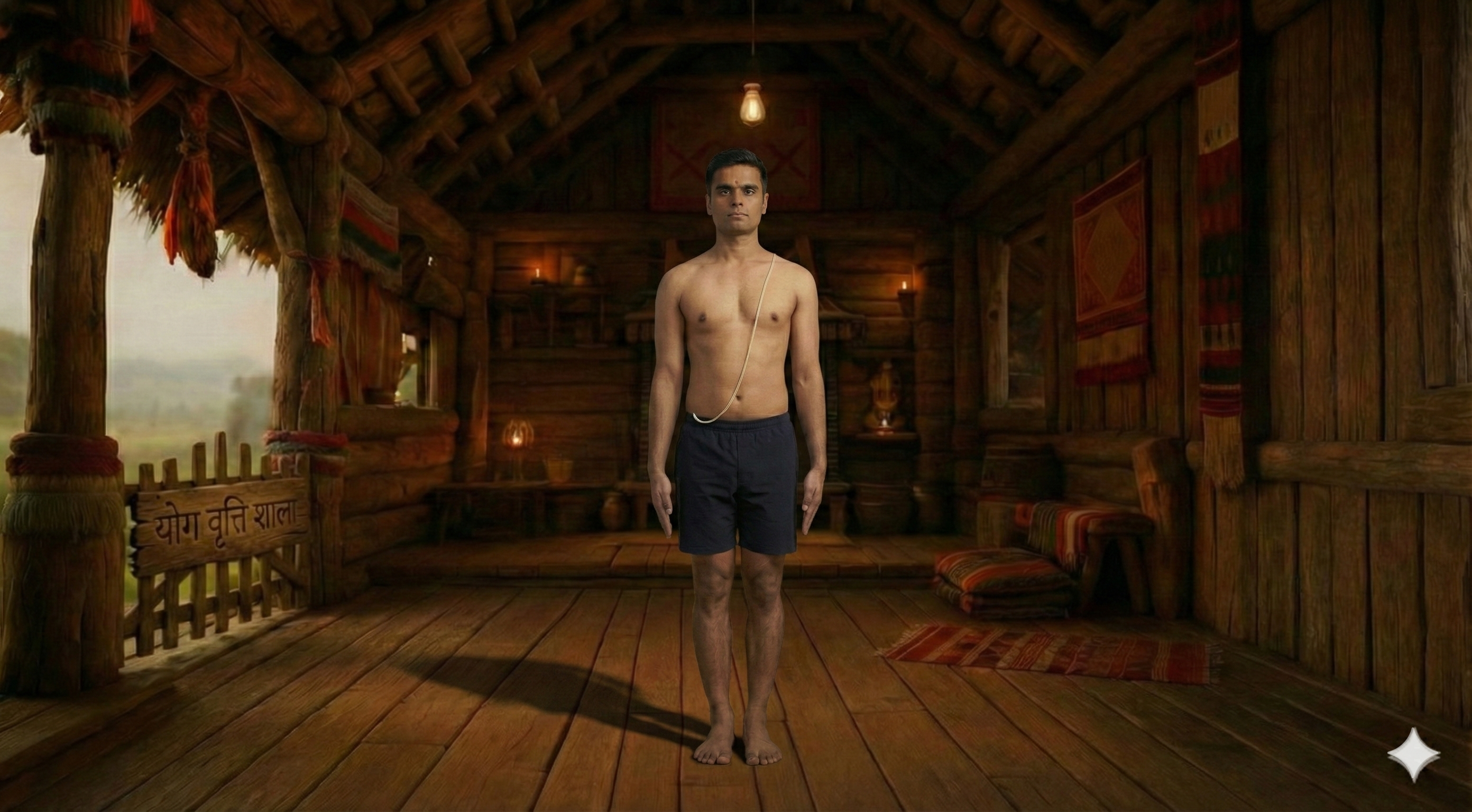
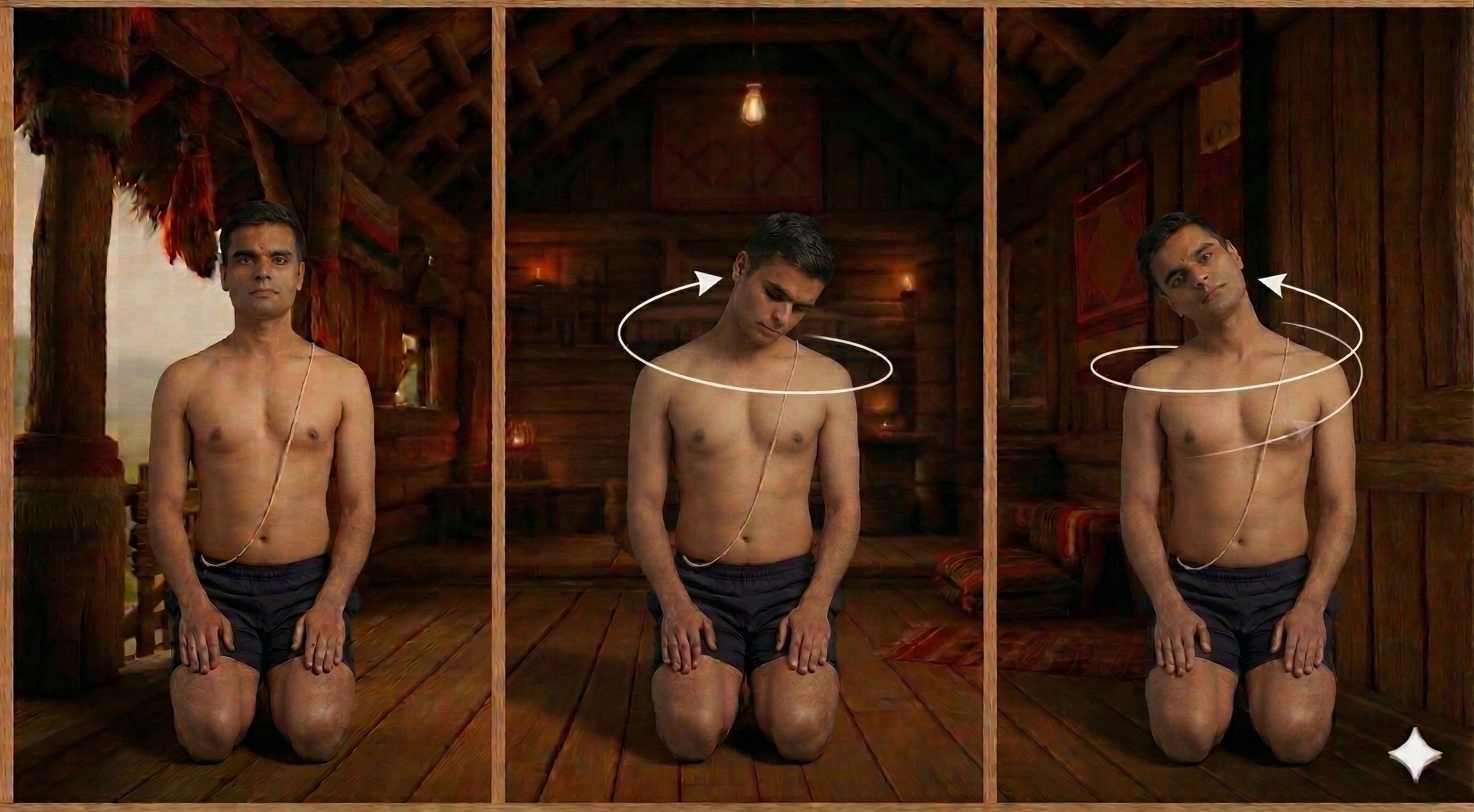
Prepare with: Tadasana, Shoulder Rolls, Neck Rolls, Tadasana Variation: Heel Raises. These warm up the relevant muscles and joints.
Related Poses
Similar poses you might enjoy
Build Your Own Sequence
Combine Vrksasana with hands in Anjali mudra with other poses