खड़े होकर · मध्यम
पार्श्व पादासन
Side Foot Pose
पार्श्व पादासन, या पार्श्व पादासन, एक चुनौतीपूर्ण खड़ी संतुलन मुद्रा है जो कूल्हों को गहराई से खोलता है और खड़े पैर और कोर को मजबूत करता है। इसके लिए एकाग्रता और स्थिरता की आवश्यकता होती है, जिससे समग्र शरीर जागरूकता बढ़ती है।
स्तर मध्यमप्रकार खड़े होकरपक्ष एक ओर
अभ्यास की विधि
- 1
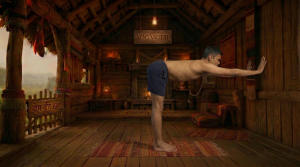
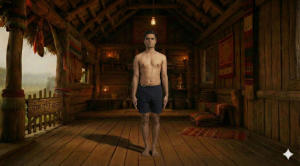
ताड़ासन में खड़े हो जाएं, पैरों को एक साथ रखें।
- 2
श्वास अंदर लेते हुए दाहिने पैर को ऊपर उठाएं और दाहिने घुटने को मोड़ें।
- 3
अपने दाहिने हाथ से दाहिने टखने को पकड़ें और दाहिने पैर को बाएं जांघ के किनारे पर रखें, पैर का बाहरी किनारा जांघ पर टिका हो।
- 4
सुनिश्चित करें कि दाहिने पैर का सोल बाईं ओर इंगित कर रहा हो और दाहिने घुटने को सीधा बगल में खोलें।
- 5
श्वास बाहर निकालते हुए, दाहिने हाथ को दाहिने पैर के ऊपर से ले जाकर बाएं पैर की पिंडली को पकड़ें।
शिक्षण संकेत
यह कहें
- Ground firmly through all four corners of both feet
- Engage the quadriceps by lifting the kneecaps
- Lengthen the spine from the tailbone to the crown of the head
- Draw the shoulder blades down and back
- Maintain steady, even breathing throughout
- Allow the hip joints to open gradually — never force
- Fix the gaze on a steady point (drishti) for balance
इन पर ध्यान दें
- Locking the knees — keep a micro-bend or engage the quadriceps
- Collapsing the arches of the feet — distribute weight evenly
- Holding the breath or breathing shallowly
- Hunching the shoulders toward the ears
- Leaning weight to one side — keep both feet equally grounded
- Forcing the hips open beyond their current range
- Looking around the room — keep the gaze fixed
शरीर पर प्रभाव
मांसपेशियाँ देखने के लिए किसी भाग पर टैप करें3D anatomy adapted from Z-Anatomy, CC BY-SA 4.0
Inner thighs
BothSide Foot Pose both stretches and strengthens your inner thighs.
Muscles at work
- AdductorsContractsStretches⚑ Limits the pose
Provides powerful adduction and extension synergy in backbends and seated leg-opening or twisting postures.
Main action: adducts hip; posterior fibers extend and externally rotate thigh
⚑ Where you’ll feel it
Tightness in the adductors is what usually stops you going deeper here. Ease off at the first strong stretch and keep breathing — don’t force the end range. Props that help: wall.
- Improves balance and focus
- Strengthens ankles and legs
- Deeply opens hips and groin
- Strengthens core muscles
- Enhances body awareness
सावधानियाँ
Knee Injury
Deep flexion or rotation at the knee can strain ligaments, meniscus, or cartilage, especially in a compromised joint.
बदलाव · Do not allow the knee to travel beyond the ankle; keep weight evenly distributed and use a block under the hand for support.
Ankle Injury
Unstable or injured ankle joints can be overstressed by weight-bearing, extreme dorsiflexion, or plantar flexion.
बदलाव · Place a folded blanket under the ankle to cushion it, or practise a seated version of the pose.
Hip Injury
Deep hip flexion, external rotation, or weight-bearing can aggravate labral tears, impingement, or bursitis.
बदलाव · Do not force the hip into deep external rotation; keep the foot turned out only as far as is pain-free.
Sciatica
Certain hip stretches and forward bends pull on the sciatic nerve, temporarily increasing radiating pain down the leg.
बदलाव · Keep a slight bend in the knees and engage the core to support the lumbar spine before folding.
Vertigo / Dizziness
Rapid head movements and changes in head position can trigger dizziness and increase the risk of losing balance.
बदलाव · Keep both feet on the floor, fix the gaze on a single unmoving point at eye level, and stay near a wall.
Balance
बदलाव · Practice near a wall for support, or keep the foot lower on the shin (Ardha Baddha Padmasana variation).
कक्षा में

त्वरित उत्तर
पार्श्व पादासन क्या है?
पार्श्व पादासन, या पार्श्व पादासन, एक चुनौतीपूर्ण खड़ी संतुलन मुद्रा है जो कूल्हों को गहराई से खोलता है और खड़े पैर और कोर को मजबूत करता है। इसके लिए एकाग्रता और स्थिरता की आवश्यकता होती है, जिससे समग्र शरीर जागरूकता बढ़ती है।
पार्श्व पादासन कैसे करें?
ताड़ासन में खड़े हो जाएं, पैरों को एक साथ रखें। श्वास अंदर लेते हुए दाहिने पैर को ऊपर उठाएं और दाहिने घुटने को मोड़ें। अपने दाहिने हाथ से दाहिने टखने को पकड़ें और दाहिने पैर को बाएं जांघ के किनारे पर रखें, पैर का बाहरी किनारा जांघ पर टिका हो। सुनिश्चित करें कि दाहिने पैर का सोल बाईं ओर इंगित कर रहा हो और दाहिने घुटने को सीधा बगल में खोलें। पूरी विधि 10 चरणों में ऊपर दी गई है।
क्या शुरुआती लोग पार्श्व पादासन कर सकते हैं?
यह मध्यम स्तर का आसन है। शुरुआती लोग पहले आसान आसनों से तैयारी करें।
- आसन प्रकार
- Balance, Hip Opener, Core Strengthener
- मुख्य भाग
- Lower Body, Hips, Core, Ankles
- किसके लिए
- Athletes, Runners
- योग शैली
- Iyengar, Hatha
- कब करें
- Warm Up, Peak Pose