 Advancedseated
Rooster Pose
Kukkutasana · कुक्कुटासन
Also known as: Cockerel Pose · Kukkutasana
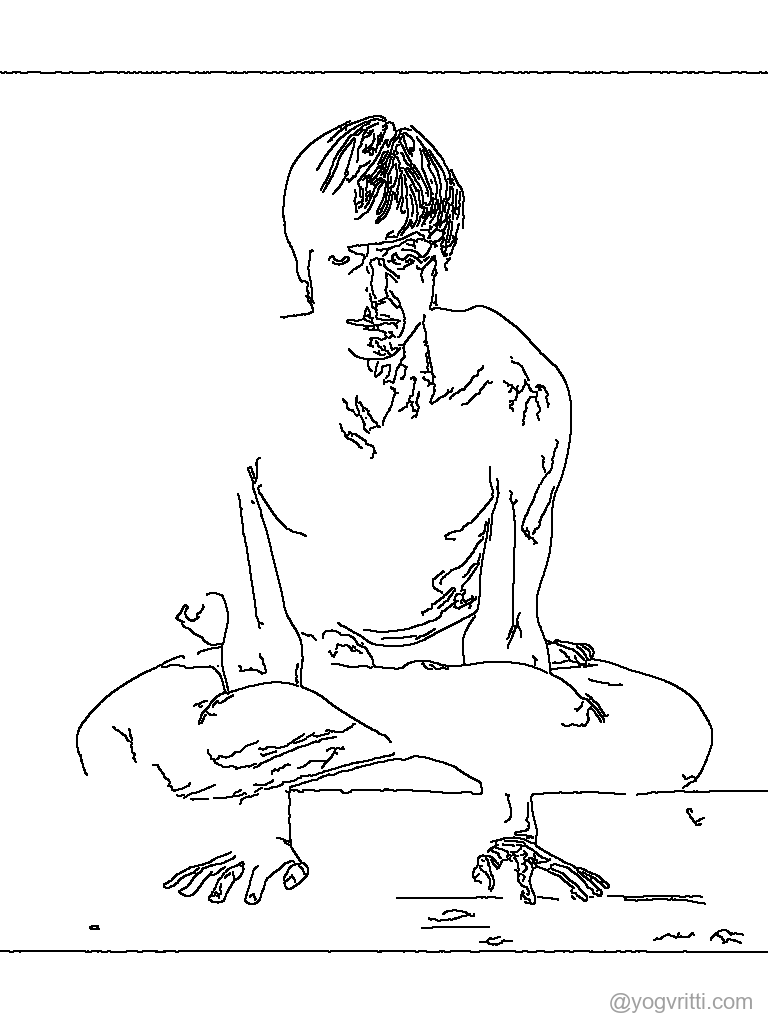
Rooster Pose, also called Cockerel Pose is a classical yoga posture. Its Sanskrit name Kukkutasana translates word-for-word as: Kukkuta (Rooster / Cockerel) · Asana (Pose). In this posture, the body grounds through the sit bones while the spine rises tall. The posture works to open and strengthen the shoulders, engage the core and strengthen the wrists. Strengthens core deeply. Improves wrist strength. It is particularly valued for building full-body strength. Suitable for advanced practitioners with developed body awareness, it is a meaningful addition to any practice. Practitioners with wrist injury and shoulder injury should approach with care or consult a qualified teacher.
Anatomy Involved
Benefits
Shoulders(strengthening)
The large cap muscles of the shoulders (deltoids) and the deeper stabilizing muscles (rotator cuff) are intensely engaged to bear and lift the body's weight. This isometric contraction builds powerful endurance in the shoulder girdle, creating stability crucial for all arm balances. Energetically, this strength allows for a sense of uplift and freedom in the upper chest, opening the anahata chakra.
Triceps(strengthening)
Located on the back of the upper arm, the triceps are the primary muscles responsible for straightening the elbows, which is essential to push the floor away and lift the torso. Their sustained contraction creates a sensation of immense power flowing down the arms, directly translating into the ability to defy gravity. This action cultivates a focused outward energy, driving the lift with precision and control.
Core(stabilizing)
The deep abdominal muscles (transversus abdominis) and the outer layers (obliques, rectus abdominis) work synergistically to stabilize the spine and pelvis, creating a solid foundation for the lift. This engagement prevents sagging and ensures the energy from the arms can transfer efficiently to the torso. From a yogic perspective, this ignites Manipura Chakra, building inner fire and self-discipline.
- Full anatomical benefits — muscles, joints, organs →
Avoid If
Wrist Injury / Carpal Tunnel
Weight-bearing or extended wrist positions can compress the median nerve and aggravate inflamed tendons, worsening pain and causing numbness.
Use fists on the floor, switch to a forearm variation, or place a wedge/folded blanket under the wrists to reduce extension angle.
Shoulder Injury
Overhead loading and extreme shoulder rotation can impinge the subacromial space and overload rotator cuff tendons.
Lower the height of the pose (Knees-Chest-Chin instead of Chaturanga, or forearm plank instead of full plank) to reduce shoulder load.
Knee Injury
Deep flexion or rotation at the knee can strain ligaments, meniscus, or cartilage, especially in a compromised joint.
Never push into pain; use a folded blanket under or between the knees and reduce the depth of the bend.
Heart Conditions
Vigorous effort and inverted positions increase cardiac demand and blood pressure; extra caution is essential with heart disease.
Keep the effort brief and low, breathe continuously, and avoid any vigorous jumping or strong holds.
Common Mistakes to Avoid
Teaching Cues
For yoga teachers — verbal cues to guide students
5 cues
Teaching Cues
For yoga teachers — verbal cues to guide students
- 1Sit on the front edge of your sitting bones
- 2Lengthen the spine upward on each inhalation
- 3Keep the chest lifted and shoulders relaxed
- 4Ground down through the sitting bones
- 5Maintain an elongated spine — avoid rounding the back
Pose Details
Helps With
Pose Type
Body Focus
Focus Areas
Yoga Styles
When to Practice
Position
Target Areas
Practice Flow

How to Practice
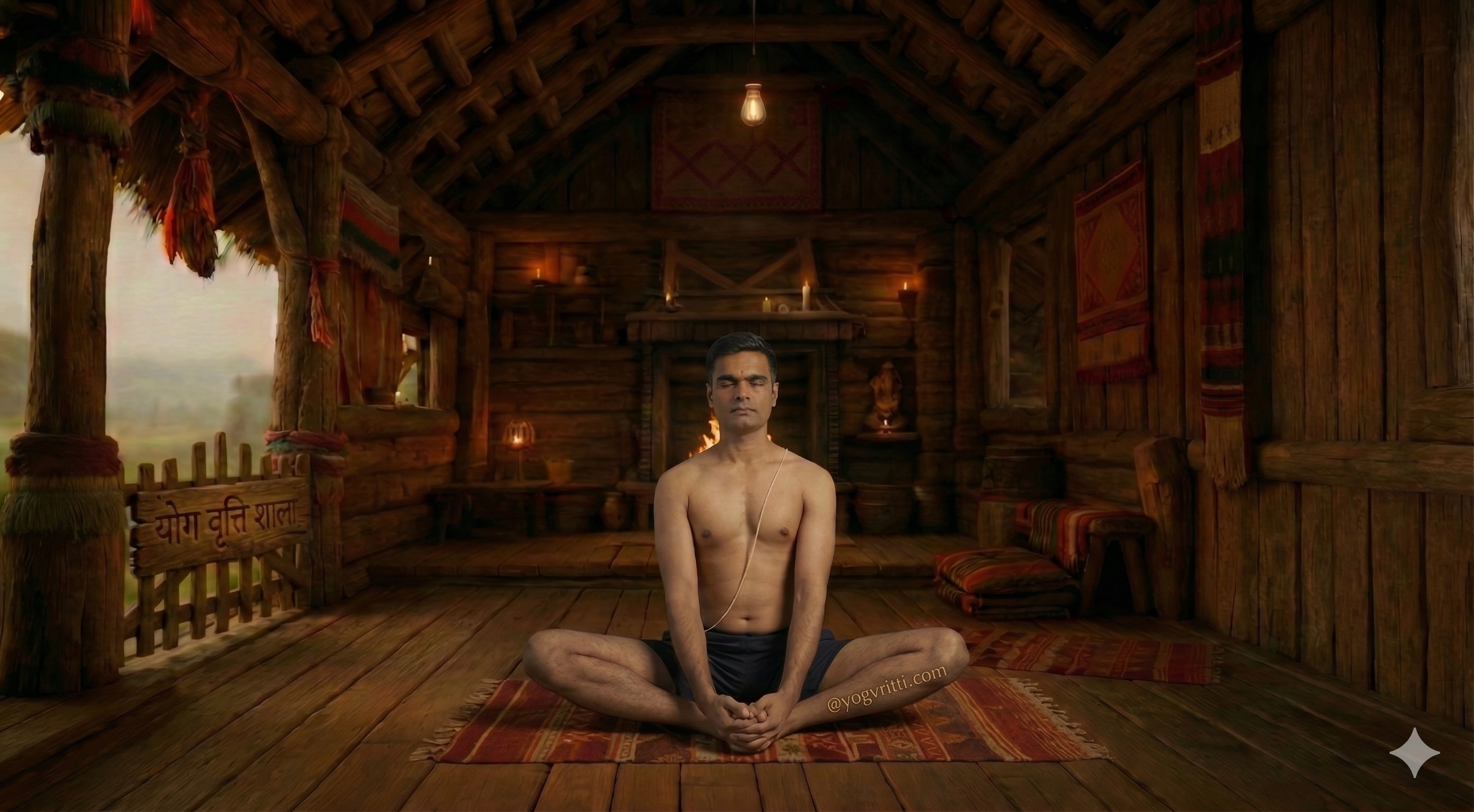
1. Sit in Padmasana (Lotus Pose).
2. Insert both hands through the gaps between the thighs and calves.
3. Push the arms through up to the elbows.
4. Place palms flat on the floor, fingers spread wide.
5. Inhale, engage the core strongly.
5 more steps remaining
Register free to see the complete instructions
Register Free to ContinueAlready registered? Login
Frequently Asked Questions
Common questions about Kukkutasana
What is Rooster Pose?
Rooster Pose, also called Cockerel Pose is a classical yoga posture. Its Sanskrit name Kukkutasana translates word-for-word as: Kukkuta (Rooster / Cockerel) · Asana (Pose). In this posture, the body grounds through the sit bones while the spine rises tall. The posture works to open and strengthen the shoulders, engage the core and strengthen the wrists. Strengthens core deeply. Improves wrist strength. It is particularly valued for building full-body strength. Suitable for advanced practitioners with developed body awareness, it is a meaningful addition to any practice. Practitioners with wrist injury and shoulder injury should approach with care or consult a qualified teacher.
What are the benefits of Rooster Pose?
Builds arm and shoulder strength. Strengthens core deeply. Improves wrist strength. Develops focus and body control. Prepares for advanced arm balances.
Who should avoid Rooster Pose?
Avoid this pose if you have: Wrist injuries, Shoulder injuries, Knee injuries (Padmasana prerequisite), Heart conditions.
How many steps are in Rooster Pose?
Rooster Pose is practiced in 10 steps. Sit in Padmasana (Lotus Pose).
Is Rooster Pose suitable for beginners?
Rooster Pose is an advanced-level pose. Beginners should practice with props or under guidance.
What conditions does Rooster Pose help with?
Rooster Pose is therapeutic for: strength.
What poses should I do before Rooster Pose?
Prepare with: Staff Pose, Baddha Konasana, Upavistha Konasana. These warm up the relevant muscles and joints.
Related Poses
Similar poses you might enjoy
Build Your Own Sequence
Combine Kukkutasana with other poses