Three-Limbed Forward Bend
Three Limbed Face One Foot Forward Bend · त्र्यंग मुखैकपदा पश्चिमोत्तानासन
Also known as: Triang Mukhaikapada Paschimottanasana · Three-Limbed Intense Stretch
Three-Limbed Forward Bend, also called Triang Mukhaikapada Paschimottanasana is a classical yoga posture. Its Sanskrit name Three Limbed Face One Foot Forward Bend translates word-for-word as: Tri (Three) · Anga (Limbs) · Eka (One) · Pada (Leg). In this posture, the body grounds through the sit bones while the spine rises tall. The posture works to lengthen the hamstrings, stretch the hip flexors and release the lower back. Opens the hip joint of the bent leg. Calms the brain and helps relieve stress. It is particularly valued for developing greater flexibility and quieting an anxious mind. Suitable for intermediate practitioners with foundational yoga experience, it is a calming cool-down. A blanket and strap can be used to make the posture more accessible and support correct alignment. Practitioners with knee injury and sciatica should approach with care or consult a qualified teacher.
Anatomy Involved
Benefits
- Stretches the hamstrings, spine, and shoulders
- Opens the hip joint of the bent leg
- Calms the brain and helps relieve stress
- Improves digestion
- Stimulates the liver and kidneys
- Full anatomical benefits — muscles, joints, organs →
Avoid If
Knee Injury
Deep flexion or rotation at the knee can strain ligaments, meniscus, or cartilage, especially in a compromised joint.
Bend the knees generously to protect the joint and keep the weight in the heels rather than the toes.
Back Injury / Back Pain
Spinal flexion, extension, or rotation under load can compress vertebral discs or strain the paraspinal muscles.
Bend both knees generously, hinge from the hips rather than rounding the spine, and rest hands on blocks or thighs.
Sciatica
Certain hip stretches and forward bends pull on the sciatic nerve, temporarily increasing radiating pain down the leg.
Bend the knees deeply to reduce tension on the sciatic nerve; prioritise a long spine over straight legs.
Props That Can Help
Optional supports — use when helpful, not required
Folded Blanket
Place a folded blanket under the sitting bones to ease the forward tilt of the pelvis and reduce strain at the hamstring attachment.
Yoga Strap
Loop a strap around the feet when the hands cannot reach — this maintains proper spinal length and prevents rounding the lower back to close the gap.
Common Mistakes to Avoid
Teaching Cues
For yoga teachers — verbal cues to guide students
6 cues
Teaching Cues
For yoga teachers — verbal cues to guide students
- 1Sit on the front edge of your sitting bones
- 2Lengthen the spine upward on each inhalation
- 3Keep the chest lifted and shoulders relaxed
- 4Ground down through the sitting bones
- 5Maintain an elongated spine — avoid rounding the back
- 6Hinge from the hips, leading with the chest
Pose Details
Helps With
Pose Type
Body Focus
Focus Areas
Yoga Styles
When to Practice
Position
Modify If You Have
back pain
Keep bent knee straight, use a blanket under hips, or use a strap for the straight leg.
Target Areas
Practice Flow

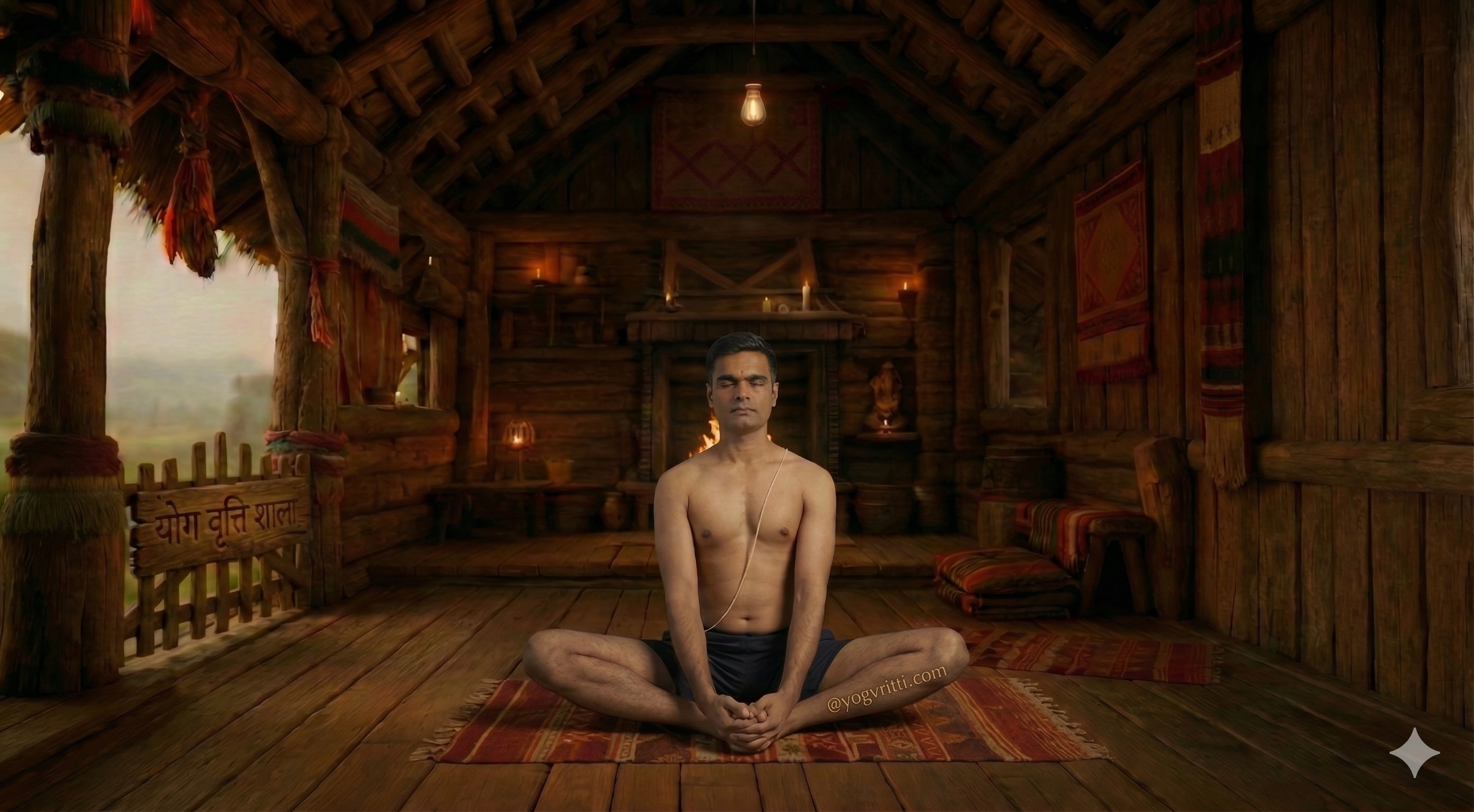
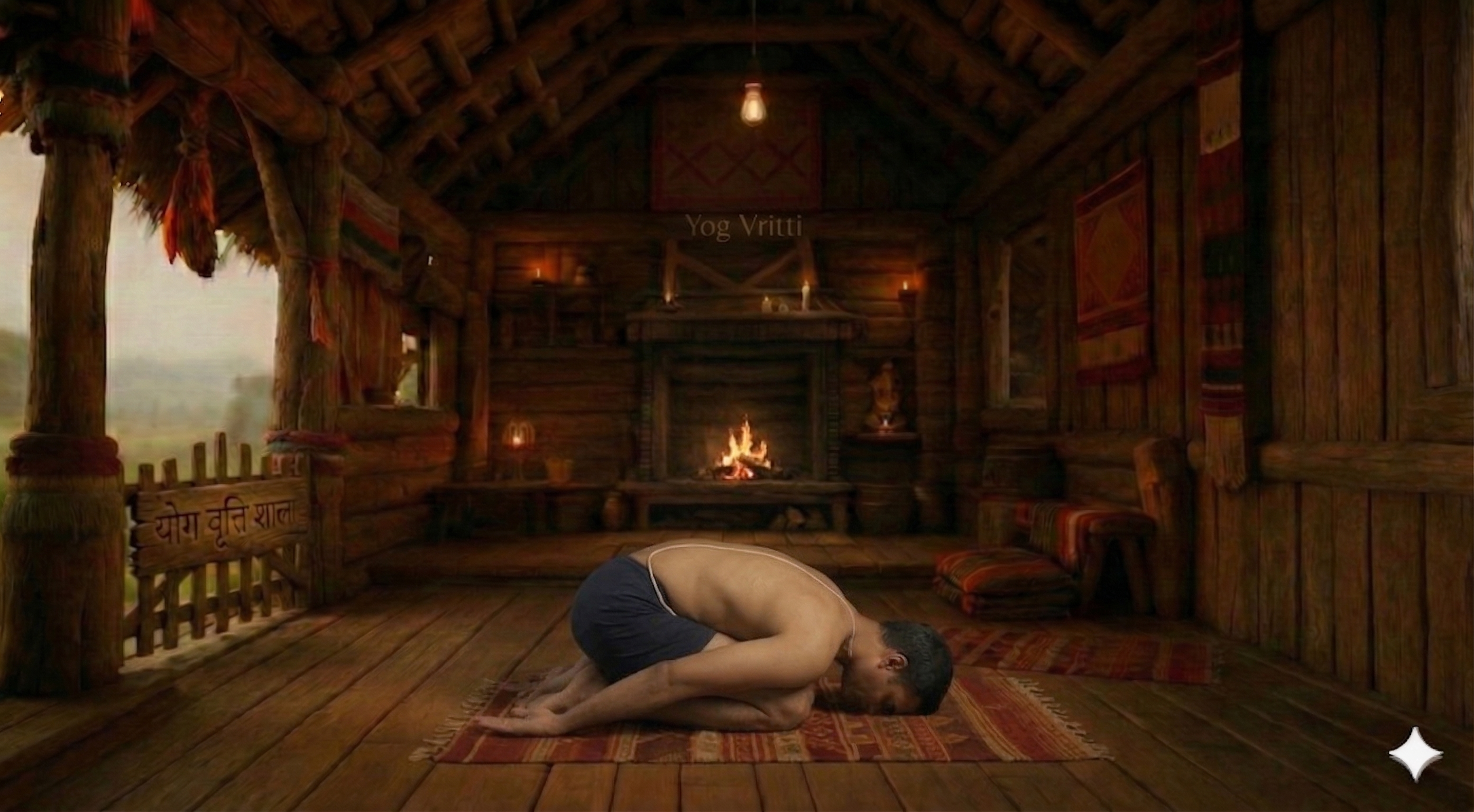
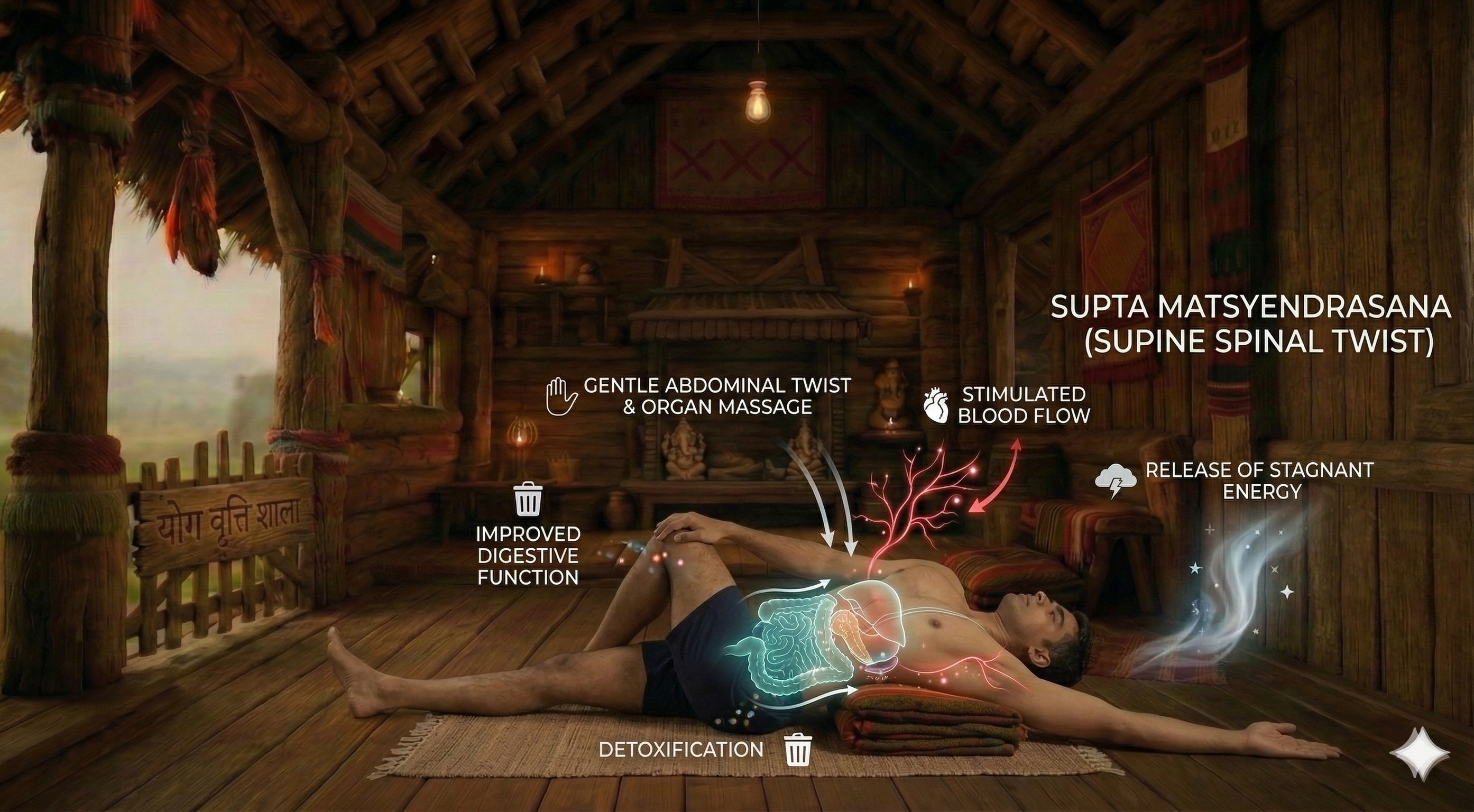
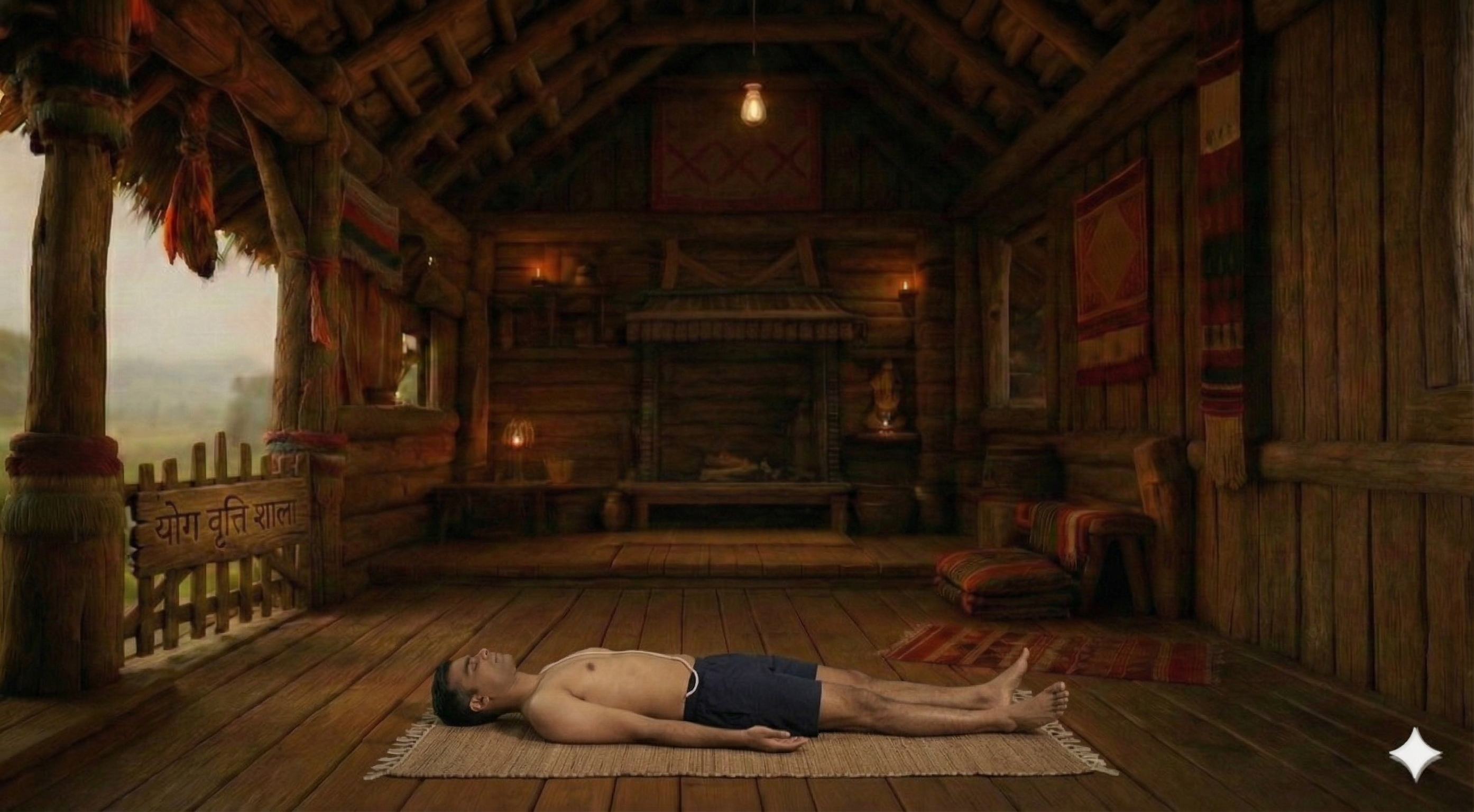
How to Practice
1. Begin in Dandasana (Staff Pose).
2. Bend your right leg, bringing your heel close to your perineum, with the sole of your foot facing your left thigh.
3. Inhale and extend your arms overhead, lengthening the spine.
4. Exhale and hinge forward from your hip joints towards your left leg, keeping your back as straight as possible.
5. Reach for your left foot with your hands, or as far forward as you can comfortably reach.
6 more steps remaining
Register free to see the complete instructions
Register Free to ContinueAlready registered? Login
Frequently Asked Questions
Common questions about Three Limbed Face One Foot Forward Bend
What is Three-Limbed Forward Bend?
Three-Limbed Forward Bend, also called Triang Mukhaikapada Paschimottanasana is a classical yoga posture. Its Sanskrit name Three Limbed Face One Foot Forward Bend translates word-for-word as: Tri (Three) · Anga (Limbs) · Eka (One) · Pada (Leg). In this posture, the body grounds through the sit bones while the spine rises tall. The posture works to lengthen the hamstrings, stretch the hip flexors and release the lower back. Opens the hip joint of the bent leg. Calms the brain and helps relieve stress. It is particularly valued for developing greater flexibility and quieting an anxious mind. Suitable for intermediate practitioners with foundational yoga experience, it is a calming cool-down. A blanket and strap can be used to make the posture more accessible and support correct alignment. Practitioners with knee injury and sciatica should approach with care or consult a qualified teacher.
What are the benefits of Three-Limbed Forward Bend?
Stretches the hamstrings, spine, and shoulders. Opens the hip joint of the bent leg. Calms the brain and helps relieve stress. Improves digestion. Stimulates the liver and kidneys.
Who should avoid Three-Limbed Forward Bend?
Avoid this pose if you have: Knee injury: Avoid bending the leg if there is knee pain., Lower back injury: Perform with caution and modifications., Sciatica.
How many steps are in Three-Limbed Forward Bend?
Three-Limbed Forward Bend is practiced in 11 steps. Begin in Dandasana (Staff Pose).
Is Three-Limbed Forward Bend suitable for beginners?
Three-Limbed Forward Bend is an intermediate-level pose. Beginners should practice with props or under guidance.
What props are needed for Three-Limbed Forward Bend?
You may use: blanket, strap. Props make the pose more accessible and comfortable.
What conditions does Three-Limbed Forward Bend help with?
Three-Limbed Forward Bend is therapeutic for: flexibility, anxiety, digestive problems, posture correction.
What poses should I do before Three-Limbed Forward Bend?
Prepare with: Staff Pose, Baddha Konasana, Adho Mukha Virasana (Child's Pose). These warm up the relevant muscles and joints.
Related Poses
Similar poses you might enjoy
Build Your Own Sequence
Combine Three Limbed Face One Foot Forward Bend with other poses