Twisting Cobra Pose Variation
Twisting Cobra Pose Variation · भुजंगासन भिन्नता परिवृत्ति
Also known as: Rotating Cobra Variation
Twisting Cobra Pose Variation, also called Rotating Cobra Variation is a classical yoga posture whose Sanskrit roots break down as: Twisting (Twisting) · Cobra (Cobra) · Pose (Pose) · Asana (Pose). In this posture, the body rotates the spine, creating space between each vertebra. The posture works to engage the core, strengthen and extend the back and open and strengthen the shoulders. Strengthens back muscles. Stimulates abdominal organs. Suitable for intermediate practitioners with foundational yoga experience, it is an excellent warm-up, particularly beneficial for desk workers and athletes. A blanket can be used to make the posture more accessible and support correct alignment. Practitioners with pregnancy and neck pain should approach with care or consult a qualified teacher.
Anatomy Involved
Benefits
- Increases spinal flexibility
- Strengthens back muscles
- Stimulates abdominal organs
- Improves posture
- Relieves stress and fatigue
- Full anatomical benefits — muscles, joints, organs →
Avoid If
Back Injury / Back Pain
Spinal flexion, extension, or rotation under load can compress vertebral discs or strain the paraspinal muscles.
Limit the depth of the backbend, engage the core actively before moving, and avoid any movement that creates pinching in the lumbar spine.
Neck Injury / Cervical Issues
Looking up, bearing head weight, or unsupported neck rotation can compress cervical vertebrae and irritate nerves.
Do not allow the head to drop back unsupported; keep the chin slightly tucked and look forward rather than up.
Pregnancy
Deep twists, abdominal compression, and lying flat on the back can restrict blood flow or cause discomfort as pregnancy progresses.
Widen the stance, avoid deep abdominal compression and twists, and consult a qualified prenatal yoga teacher.
Wrist Injury / Carpal Tunnel
Weight-bearing or extended wrist positions can compress the median nerve and aggravate inflamed tendons, worsening pain and causing numbness.
Avoid full weight on extended wrists; use fists, forearms, or a wedge to keep the wrist in a neutral position.
Props That Can Help
Optional supports — use when helpful, not required
Folded Blanket
A rolled blanket under the thoracic spine opens the chest gently and supports the backbend, making it accessible as a restorative variation.
Common Mistakes to Avoid
Teaching Cues
For yoga teachers — verbal cues to guide students
5 cues
Teaching Cues
For yoga teachers — verbal cues to guide students
- 1Lengthen the spine on the inhalation, deepen the twist on the exhalation
- 2Initiate the rotation from the navel, then the chest, finally the head
- 3Keep both sitting bones grounded equally
- 4Maintain the length of the spine — do not collapse into the twist
- 5Use the breath to create space for the rotation
Pose Details
Pose Type
Body Focus
Focus Areas
Best For
Yoga Styles
When to Practice
Position
Target Areas
Practice Flow

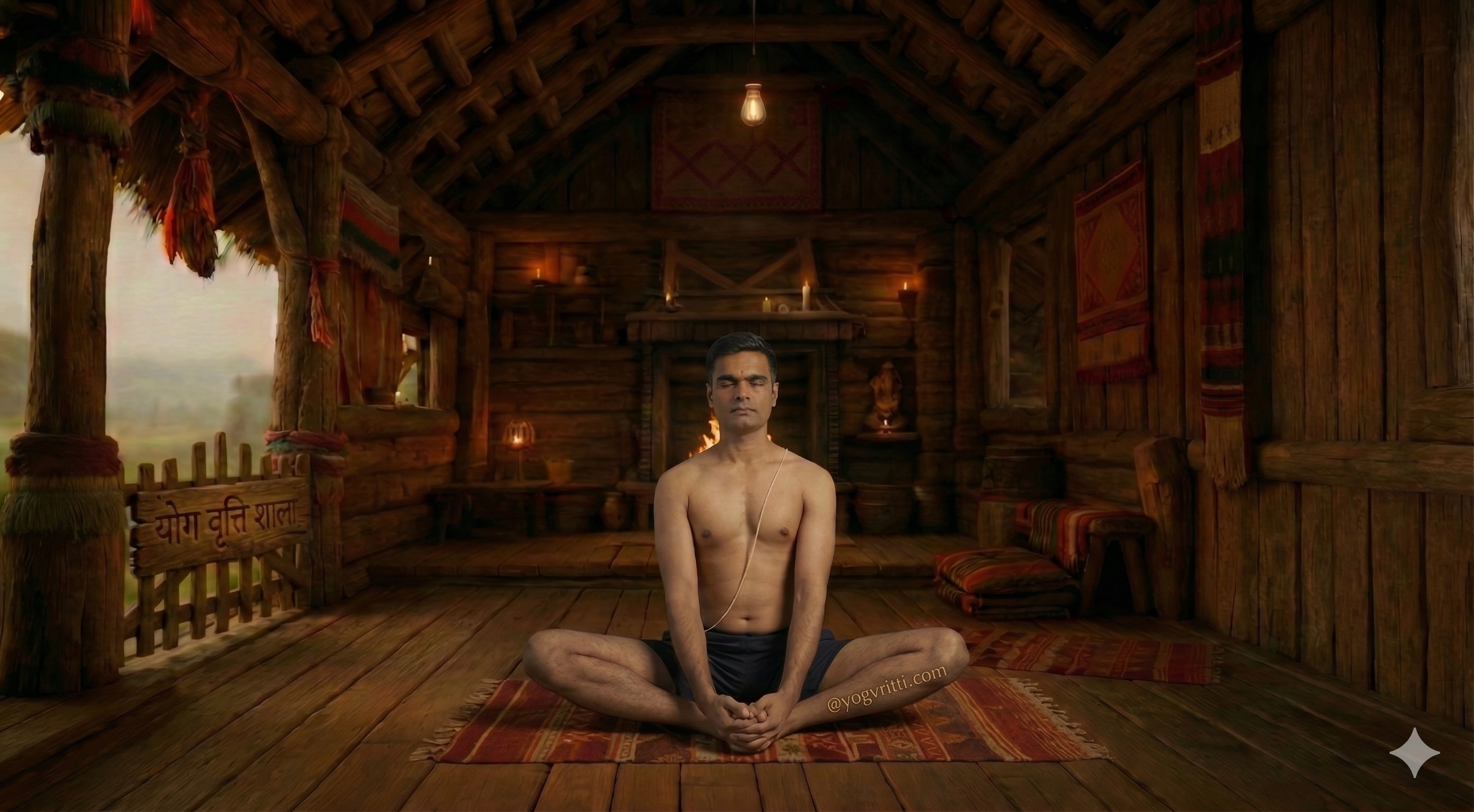

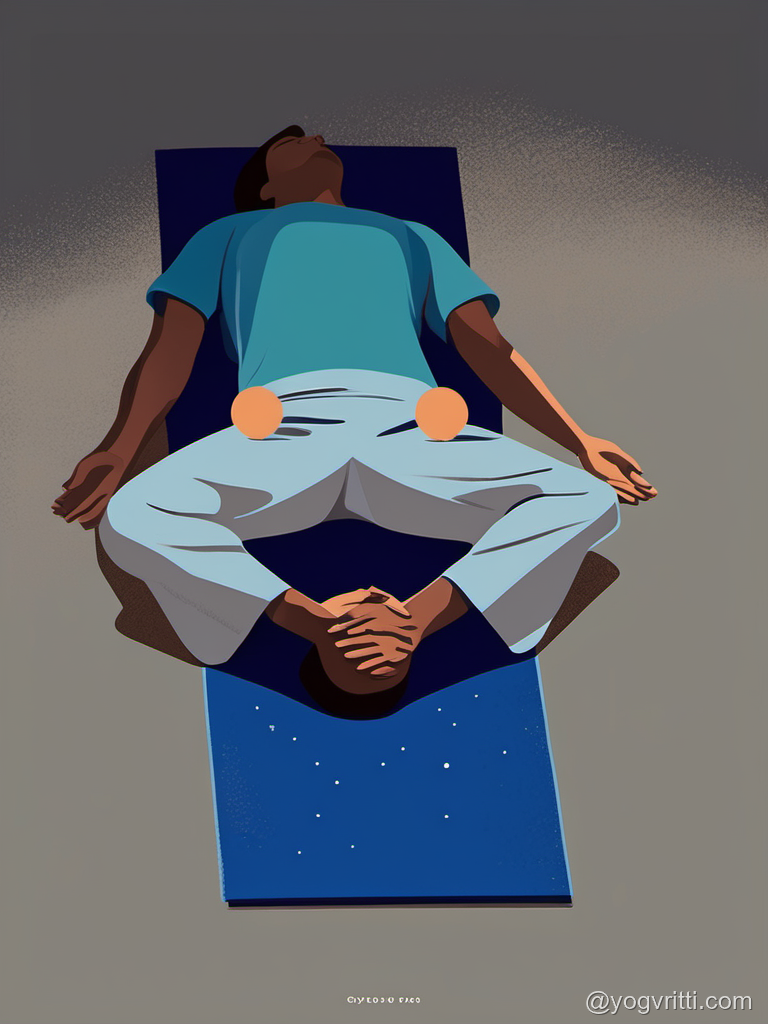
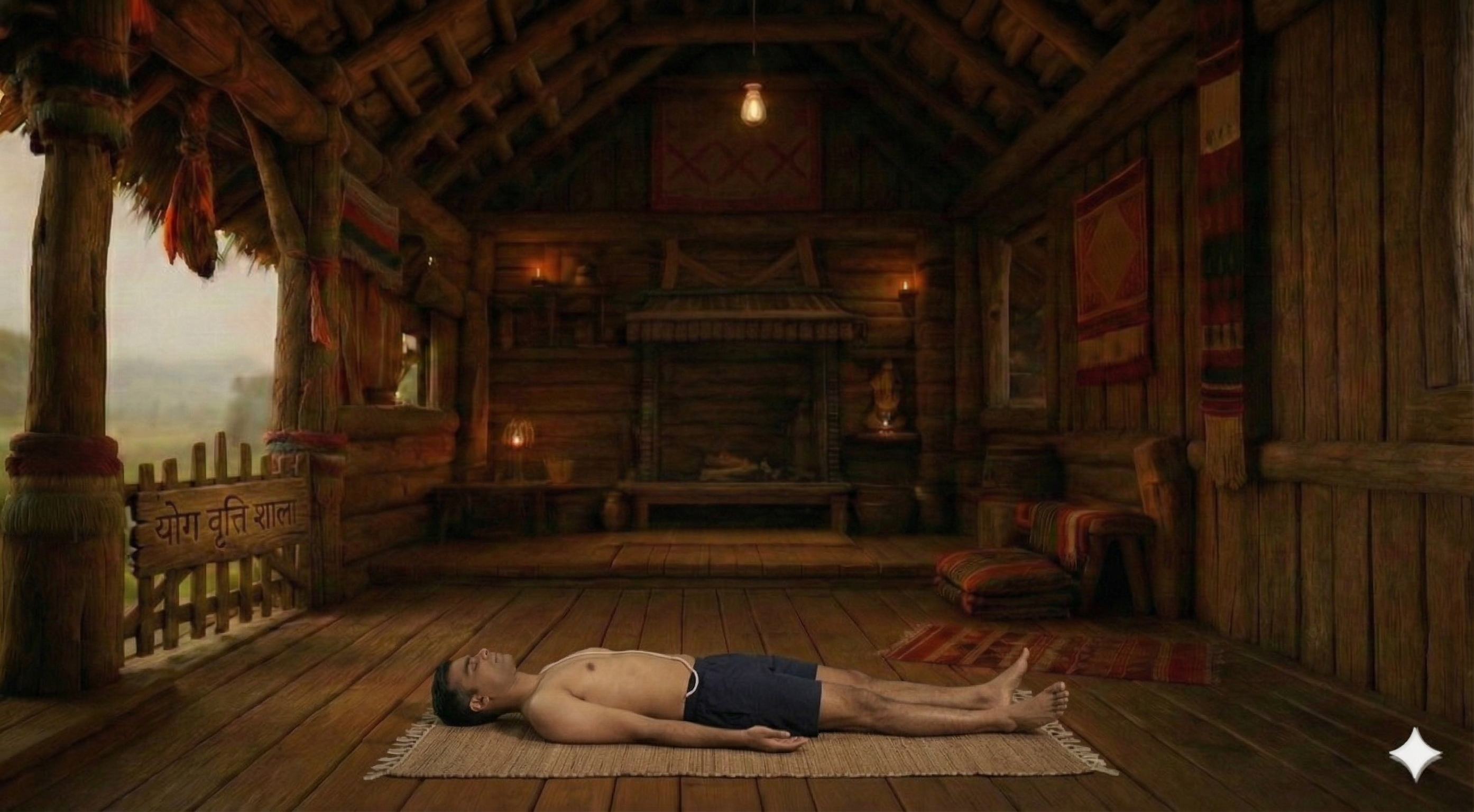
How to Practice
1. Lie prone with legs extended and feet slightly touching.
2. Place hands under shoulders, fingers pointing forward, elbows drawing in towards the body.
3. Inhale, press into the hands and lift the chest into Bhujangasana (Cobra Pose).
4. Lengthen the spine, drawing the shoulders down and back, opening the chest.
5. Exhale, twist the torso to the right, attempting to look towards the left heel, keeping the hips grounded.
7 more steps remaining
Register free to see the complete instructions
Register Free to ContinueAlready registered? Login
Frequently Asked Questions
Common questions about Twisting Cobra Pose Variation
What is Twisting Cobra Pose Variation?
Twisting Cobra Pose Variation, also called Rotating Cobra Variation is a classical yoga posture whose Sanskrit roots break down as: Twisting (Twisting) · Cobra (Cobra) · Pose (Pose) · Asana (Pose). In this posture, the body rotates the spine, creating space between each vertebra. The posture works to engage the core, strengthen and extend the back and open and strengthen the shoulders. Strengthens back muscles. Stimulates abdominal organs. Suitable for intermediate practitioners with foundational yoga experience, it is an excellent warm-up, particularly beneficial for desk workers and athletes. A blanket can be used to make the posture more accessible and support correct alignment. Practitioners with pregnancy and neck pain should approach with care or consult a qualified teacher.
What are the benefits of Twisting Cobra Pose Variation?
Increases spinal flexibility. Strengthens back muscles. Stimulates abdominal organs. Improves posture. Relieves stress and fatigue.
Who should avoid Twisting Cobra Pose Variation?
Avoid this pose if you have: Back injury, Neck injury, Pregnancy, Carpal tunnel syndrome.
How many steps are in Twisting Cobra Pose Variation?
Twisting Cobra Pose Variation is practiced in 12 steps. Lie prone with legs extended and feet slightly touching.
Is Twisting Cobra Pose Variation suitable for beginners?
Twisting Cobra Pose Variation is an intermediate-level pose. Beginners should practice with props or under guidance.
What props are needed for Twisting Cobra Pose Variation?
You may use: blanket. Props make the pose more accessible and comfortable.
What poses should I do before Twisting Cobra Pose Variation?
Prepare with: Staff Pose, Baddha Konasana, Bharadvajasana I (seated). These warm up the relevant muscles and joints.
Related Poses
Similar poses you might enjoy
Build Your Own Sequence
Combine Twisting Cobra Pose Variation with other poses