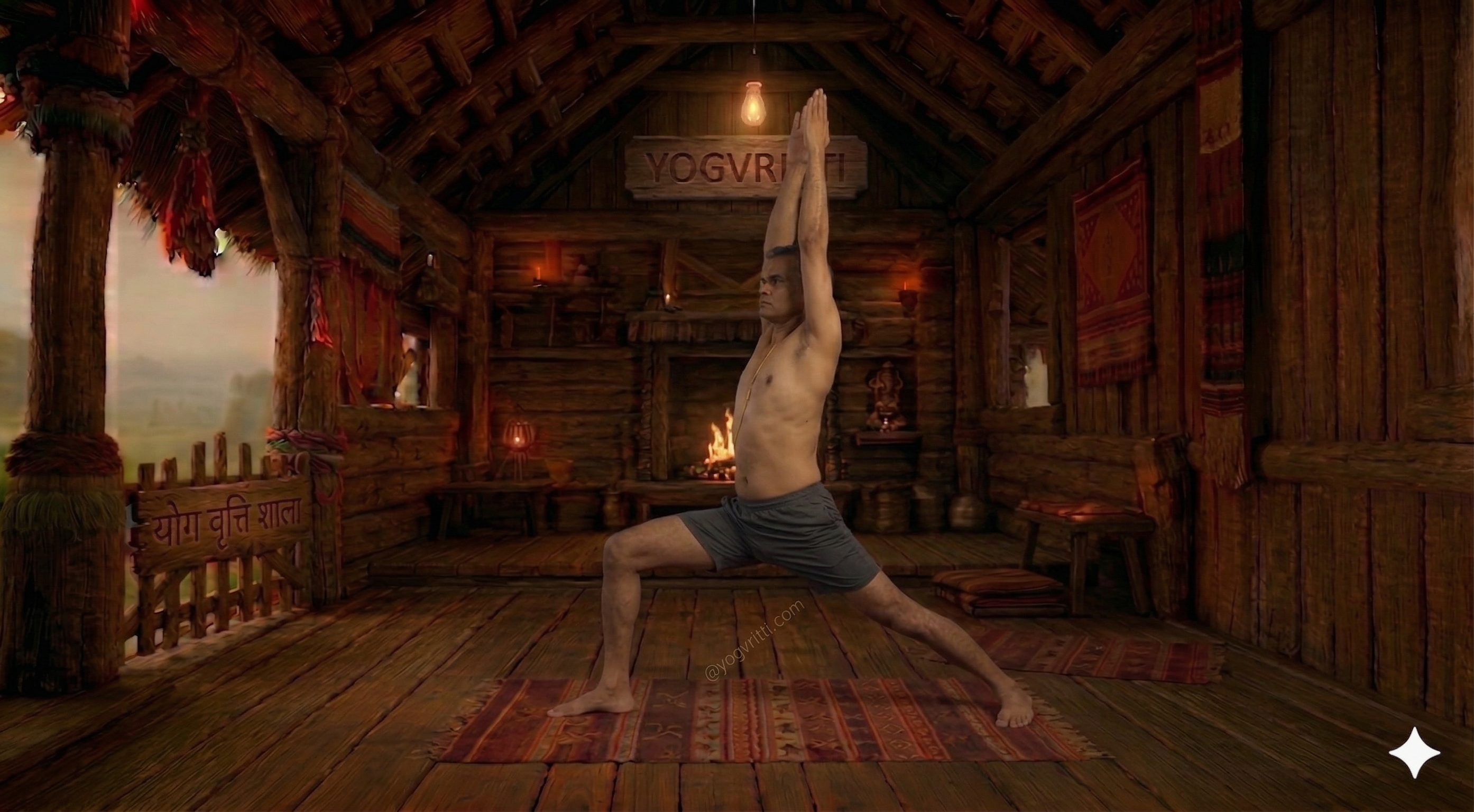
Warrior I at Wall
Virabhadrasana I at Wall · वीरभद्रासन I दीवार
Also known as: Wall Warrior I
Warrior I at Wall, also called Wall Warrior I is a classical yoga posture. Its Sanskrit name Virabhadrasana I at Wall translates word-for-word as: Virabhadra (Warrior (Divine Hero)) · Asana (Pose — I). From a standing position, the body roots firmly through the feet while the spine extends upward. The posture works to strengthen the quadriceps, stretch the hip flexors and activate the glutes. Wall prevents balance issues. Hip squaring technique. It is particularly valued for building full-body strength. Suitable for beginners and regular practitioners alike, it is an excellent warm-up, particularly beneficial for beginners and seniors. A wall can be used to make the posture more accessible and support correct alignment.
Anatomy Involved
Benefits
Quadriceps (front leg)(strengthening)
The wall provides a clear boundary for the front knee, ensuring it stacks precisely over the ankle rather than collapsing inward or outward. This external feedback allows for a more refined and intentional engagement of the quadriceps, particularly the vastus medialis obliquus, promoting optimal knee tracking. This precision cultivates a deeper, more intelligent strength in the thigh, fostering stability from the ground up that might be less obvious without the wall's direct guidance.
Glutes (front leg)(strengthening)
With the back hip encouraged towards the wall for proper squaring, the gluteal muscles of the front leg, especially gluteus medius and minimus, are more acutely engaged to stabilize the hip and prevent the knee from falling inward or outward. This focused engagement helps to maintain the integrity of the front hip joint, ensuring a stable foundation while the pelvis works towards a more neutral alignment. The wall's presence refines the action, moving beyond general strength to specific, proprioceptive stabilization.
Hip Flexors (back leg)(lengthening)
The wall acts as a constant, gentle reminder for the back hip to actively move forward, intensifying the stretch in the hip flexors of the back leg (psoas and iliacus). This tactile feedback encourages a more complete release and lengthening, guiding the pelvis into a truly squared position that might otherwise be difficult to achieve or maintain. The external support allows the student to surrender more deeply into the opening, transforming a general stretch into a profound and intentional release.
- Full anatomical benefits — muscles, joints, organs →
Avoid If
Knee Injury
Deep flexion or rotation at the knee can strain ligaments, meniscus, or cartilage, especially in a compromised joint.
Do not allow the knee to travel beyond the ankle; keep weight evenly distributed and use a block under the hand for support.
Props That Can Help
Optional supports — use when helpful, not required
Wall
Practise near the wall so one fingertip can lightly touch it, giving the nervous system a safety anchor while building proprioceptive confidence.
Common Mistakes to Avoid
Teaching Cues
For yoga teachers — verbal cues to guide students
7 cues
Teaching Cues
For yoga teachers — verbal cues to guide students
- 1Use the wall for alignment feedback and support
- 2Step one foot back 4 to 4.5 feet, turning the back foot 45 degrees
- 3Bend the front knee to 90 degrees, directly above the ankle
- 4Square the hips toward the front of the mat
- 5Reach the arms overhead, palms facing each other
- 6Draw the front ribs in and lift the chest
- 7Press firmly through the back heel
Pose Details
Helps With
Pose Type
Body Focus
Focus Areas
Best For
Yoga Styles
When to Practice
Position
Modify If You Have
knee injury
Don't bend as deep.
Target Areas
Practice Flow


How to Practice
1. Face the wall.
2. Right foot forward — toward wall.
3. Left foot back.
4. Bend right knee — 90°.
5. Both hands on wall — shoulder height.
5 more steps remaining
Register free to see the complete instructions
Register Free to ContinueAlready registered? Login
Frequently Asked Questions
Common questions about Virabhadrasana I at Wall
What is Warrior I at Wall?
Warrior I at Wall, also called Wall Warrior I is a classical yoga posture. Its Sanskrit name Virabhadrasana I at Wall translates word-for-word as: Virabhadra (Warrior (Divine Hero)) · Asana (Pose — I). From a standing position, the body roots firmly through the feet while the spine extends upward. The posture works to strengthen the quadriceps, stretch the hip flexors and activate the glutes. Wall prevents balance issues. Hip squaring technique. It is particularly valued for building full-body strength. Suitable for beginners and regular practitioners alike, it is an excellent warm-up, particularly beneficial for beginners and seniors. A wall can be used to make the posture more accessible and support correct alignment.
What are the benefits of Warrior I at Wall?
Teaches Warrior I alignment. Wall prevents balance issues. Hip squaring technique. Iyengar teaching method.
Who should avoid Warrior I at Wall?
Avoid this pose if you have: Knee injuries — reduce depth.
How many steps are in Warrior I at Wall?
Warrior I at Wall is practiced in 10 steps. Face the wall.
Is Warrior I at Wall suitable for beginners?
Yes, Warrior I at Wall is a beginner-friendly pose suitable for all levels.
What props are needed for Warrior I at Wall?
You may use: wall. Props make the pose more accessible and comfortable.
What conditions does Warrior I at Wall help with?
Warrior I at Wall is therapeutic for: strength, balance, posture correction.
What poses should I do before Warrior I at Wall?
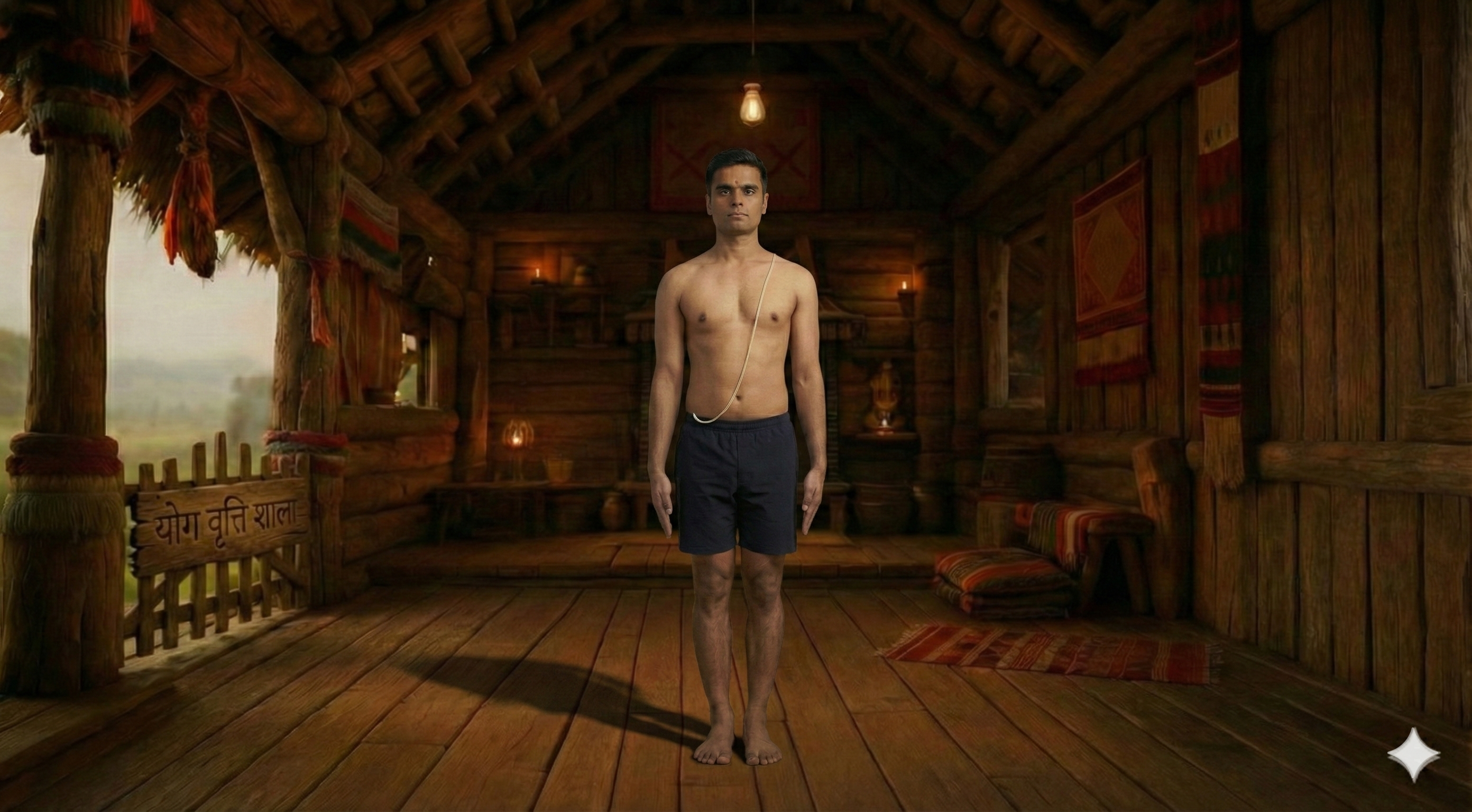
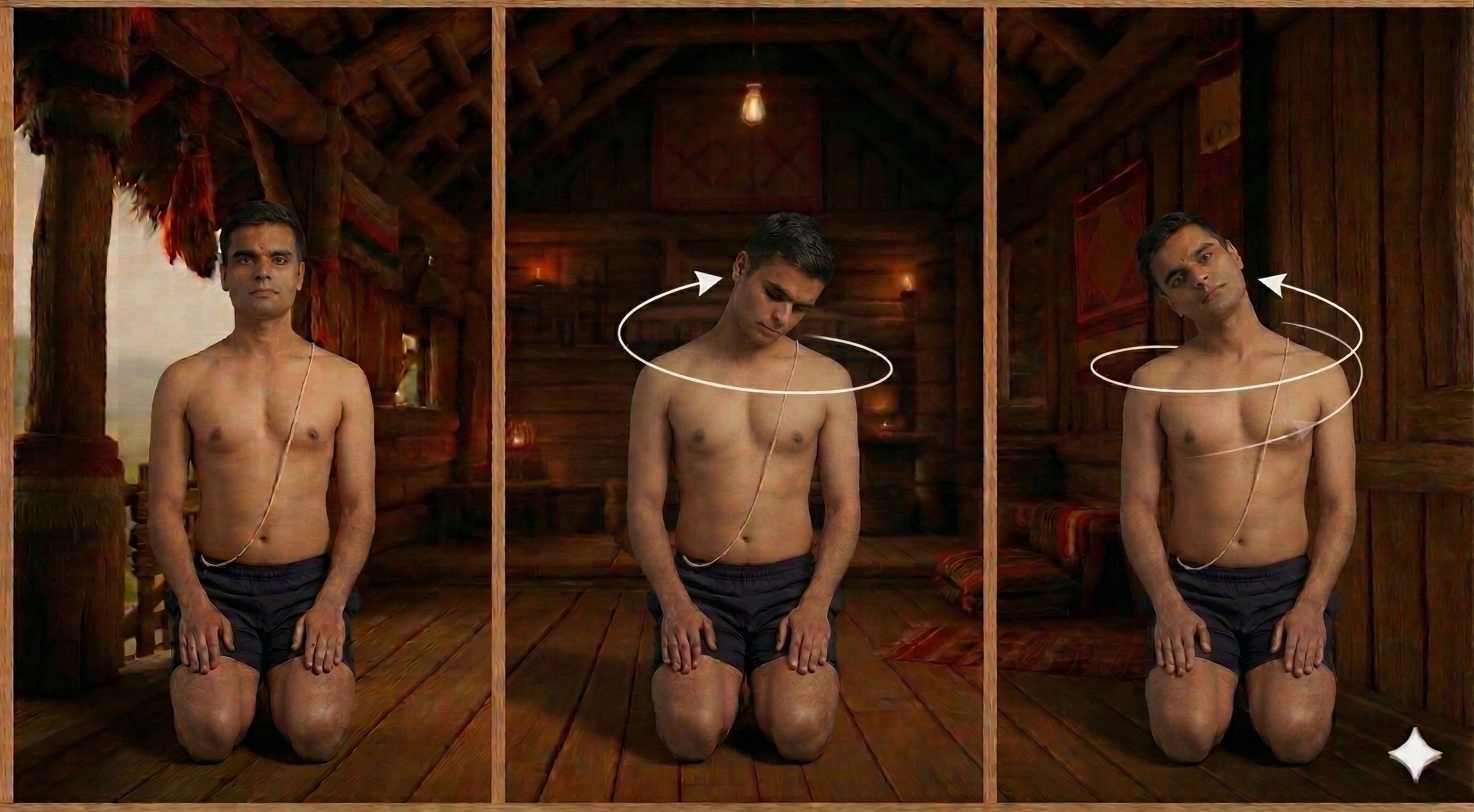
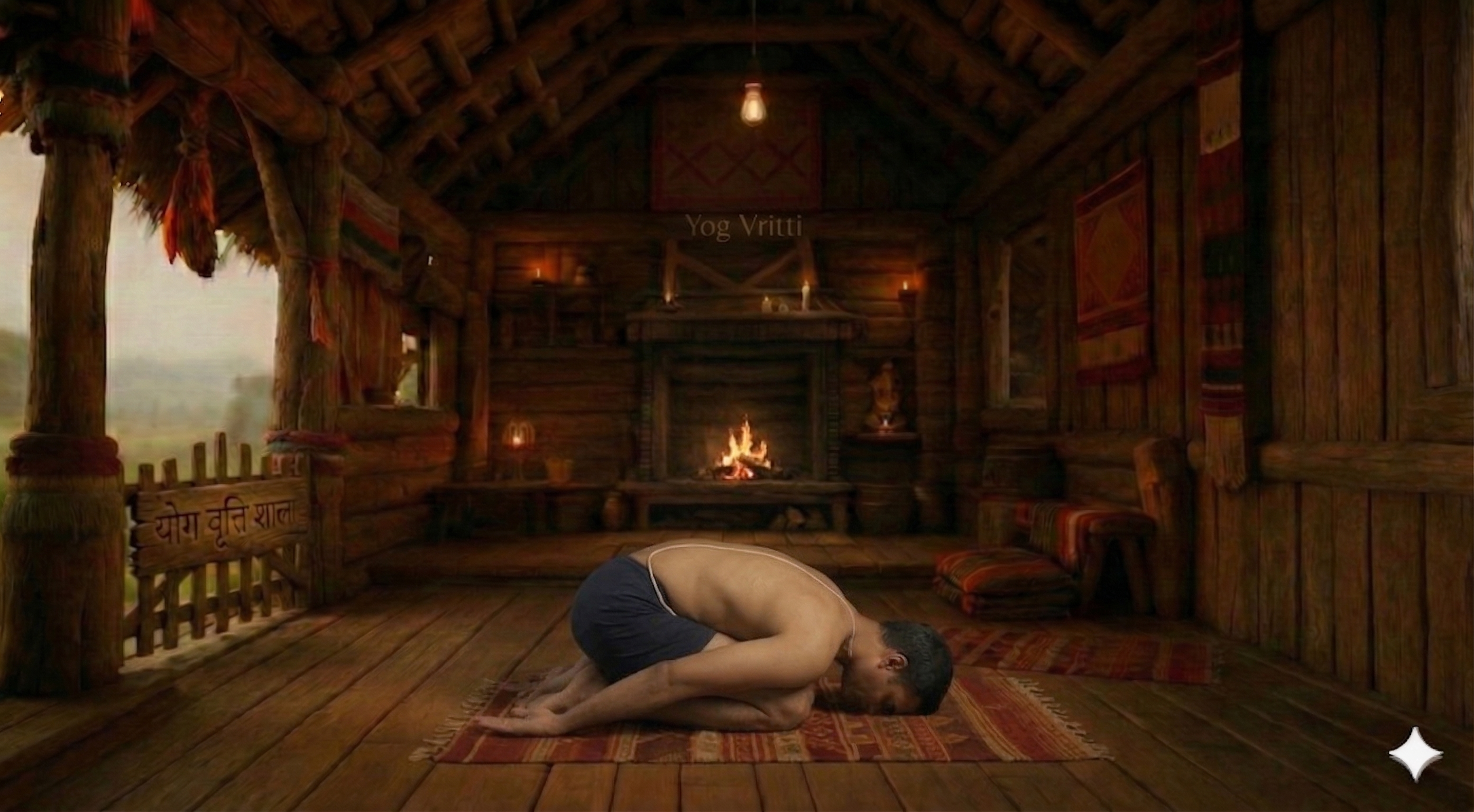
Prepare with: Warrior I, Tadasana, Shoulder Rolls, Neck Rolls, Tadasana Variation: Heel Raises. These warm up the relevant muscles and joints.
Build Your Own Sequence
Combine Virabhadrasana I at Wall with other poses