Standing Spinal Twist
Katichakrasana · कटिचक्रासन
Also known as: Waist Rotation Pose · Katichakrasana
Standing Spinal Twist, also called Waist Rotation Pose is a classical yoga posture. Its Sanskrit name Katichakrasana translates word-for-word as: Kati (Waist) · Chakra (Rotation) · Asana (Pose). From a standing position, the body rotates the spine, creating space between each vertebra. The posture works to engage the obliques, open and strengthen the shoulders and tone the arms. Strengthens oblique muscles and core. Relieves stiffness in the back and shoulders. It is particularly valued for alleviating back discomfort. Suitable for beginners and regular practitioners alike, it is an excellent warm-up, particularly beneficial for beginners and desk workers. Practitioners with spinal injury and abdominal surgery should approach with care or consult a qualified teacher.
Anatomy Involved
Benefits
- Improves spinal mobility and flexibility
- Strengthens oblique muscles and core
- Relieves stiffness in the back and shoulders
- Massages abdominal organs, aiding digestion
- Enhances circulation and energy flow
- Full anatomical benefits — muscles, joints, organs →
Avoid If
Disc Herniation
Spinal flexion and rotation under load increase intradiscal pressure and can push herniated material toward spinal nerves.
Initiate the rotation from the upper thoracic spine; avoid forceful lumbar rotation.
Recent Surgery
Surgical wounds and healing tissues need time before being subjected to the mechanical stress of yoga postures.
Wait for full medical clearance from your surgeon; begin with gentle breath work and progress only as healing allows.
Back Injury / Back Pain
Spinal flexion, extension, or rotation under load can compress vertebral discs or strain the paraspinal muscles.
Initiate the twist from the upper spine and ribs rather than forcing from the waist; keep both sitting bones grounded.
High Blood Pressure
Vigorous effort and inverted positions temporarily raise blood pressure in the head, increasing strain on blood vessels.
Keep effort moderate, breathe continuously, and avoid any position that causes pressure or throbbing in the head.
Common Mistakes to Avoid
Teaching Cues
For yoga teachers — verbal cues to guide students
5 cues
Teaching Cues
For yoga teachers — verbal cues to guide students
- 1Lengthen the spine on the inhalation, deepen the twist on the exhalation
- 2Initiate the rotation from the navel, then the chest, finally the head
- 3Keep both sitting bones grounded equally
- 4Maintain the length of the spine — do not collapse into the twist
- 5Use the breath to create space for the rotation
Pose Details
Helps With
Pose Type
Body Focus
Focus Areas
Best For
Yoga Styles
When to Practice
Position
Modify If You Have
vertigo
Keep your gaze forward instead of twisting your head fully.
back pain
Perform a very gentle twist, focusing on spinal length rather than depth of twist.
hypertension
Avoid forceful twisting; keep the breath smooth and even.
Target Areas
Practice Flow

How to Practice
1. Begin in Tadasana (Mountain Pose), standing with feet together and arms by your sides.
2. Separate your feet to hip-width or shoulder-width apart, ensuring they are parallel.
3. Inhale and raise both arms forward to shoulder height, palms facing each other.
4. Exhale, twist your torso to the right, swinging your right arm back and placing your left hand on your right shoulder.
5. Wrap your right arm around your waist, palm facing outwards, attempting to touch the left hip or inner thigh.
6 more steps remaining
Register free to see the complete instructions
Register Free to ContinueAlready registered? Login
Frequently Asked Questions
Common questions about Katichakrasana
What is Standing Spinal Twist?
Standing Spinal Twist, also called Waist Rotation Pose is a classical yoga posture. Its Sanskrit name Katichakrasana translates word-for-word as: Kati (Waist) · Chakra (Rotation) · Asana (Pose). From a standing position, the body rotates the spine, creating space between each vertebra. The posture works to engage the obliques, open and strengthen the shoulders and tone the arms. Strengthens oblique muscles and core. Relieves stiffness in the back and shoulders. It is particularly valued for alleviating back discomfort. Suitable for beginners and regular practitioners alike, it is an excellent warm-up, particularly beneficial for beginners and desk workers. Practitioners with spinal injury and abdominal surgery should approach with care or consult a qualified teacher.
What are the benefits of Standing Spinal Twist?
Improves spinal mobility and flexibility. Strengthens oblique muscles and core. Relieves stiffness in the back and shoulders. Massages abdominal organs, aiding digestion. Enhances circulation and energy flow. Reduces stress and fatigue.
Who should avoid Standing Spinal Twist?
Avoid this pose if you have: Severe spinal injury or disc herniation, Recent abdominal surgery, Acute back pain, High blood pressure (perform gently), Vertigo (keep gaze forward).
How many steps are in Standing Spinal Twist?
Standing Spinal Twist is practiced in 11 steps. Begin in Tadasana (Mountain Pose), standing with feet together and arms by your sides.
Is Standing Spinal Twist suitable for beginners?
Yes, Standing Spinal Twist is a beginner-friendly pose suitable for all levels.
What conditions does Standing Spinal Twist help with?
Standing Spinal Twist is therapeutic for: back pain, neck pain, digestive problems, posture correction.
What poses should I do before Standing Spinal Twist?
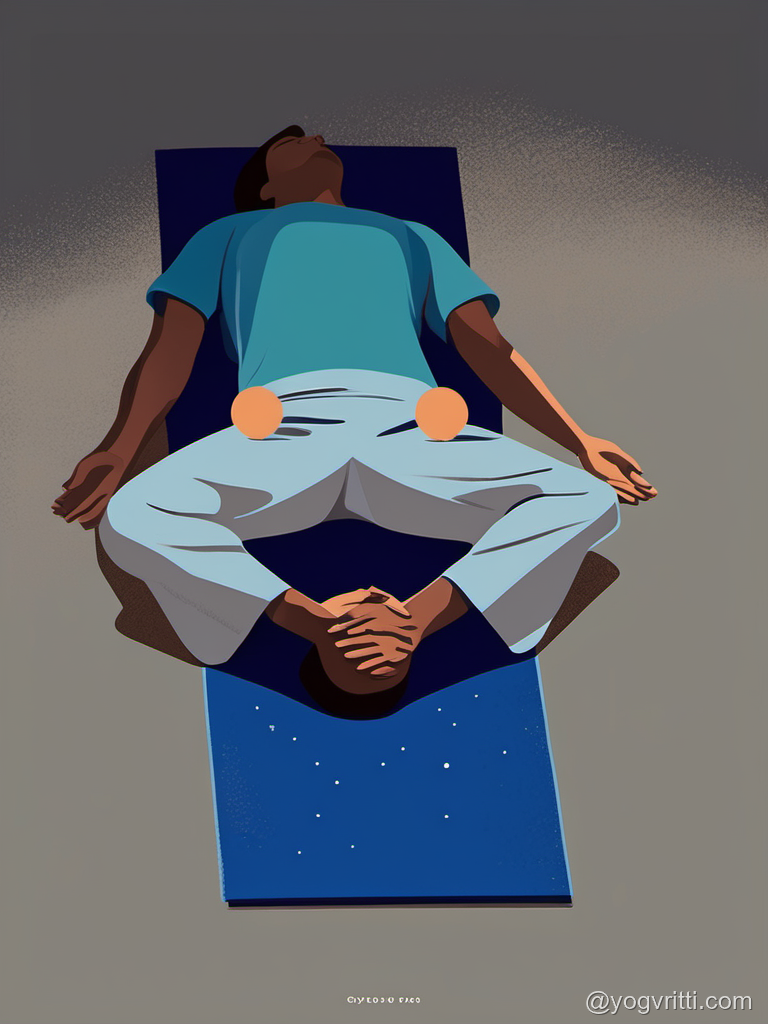
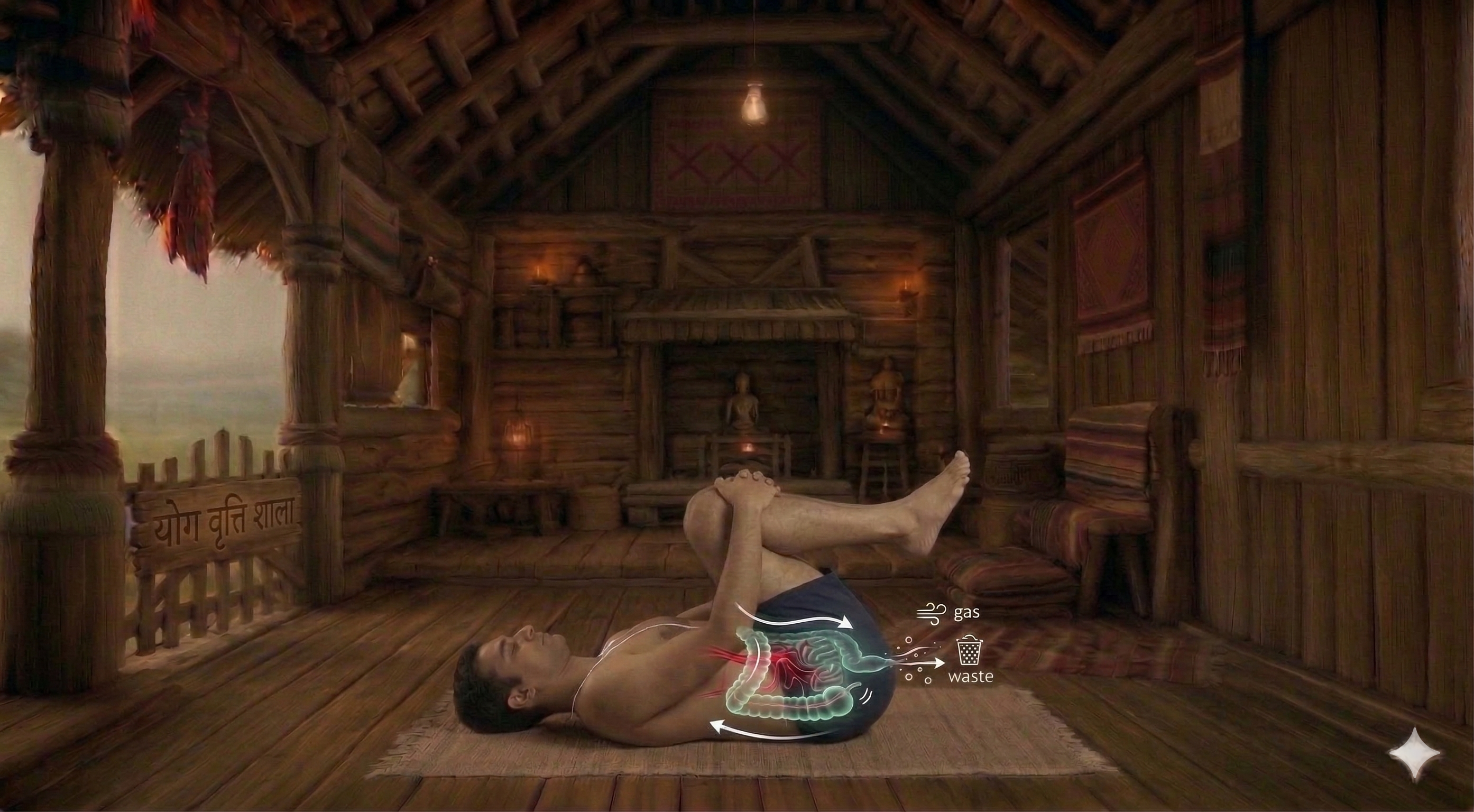
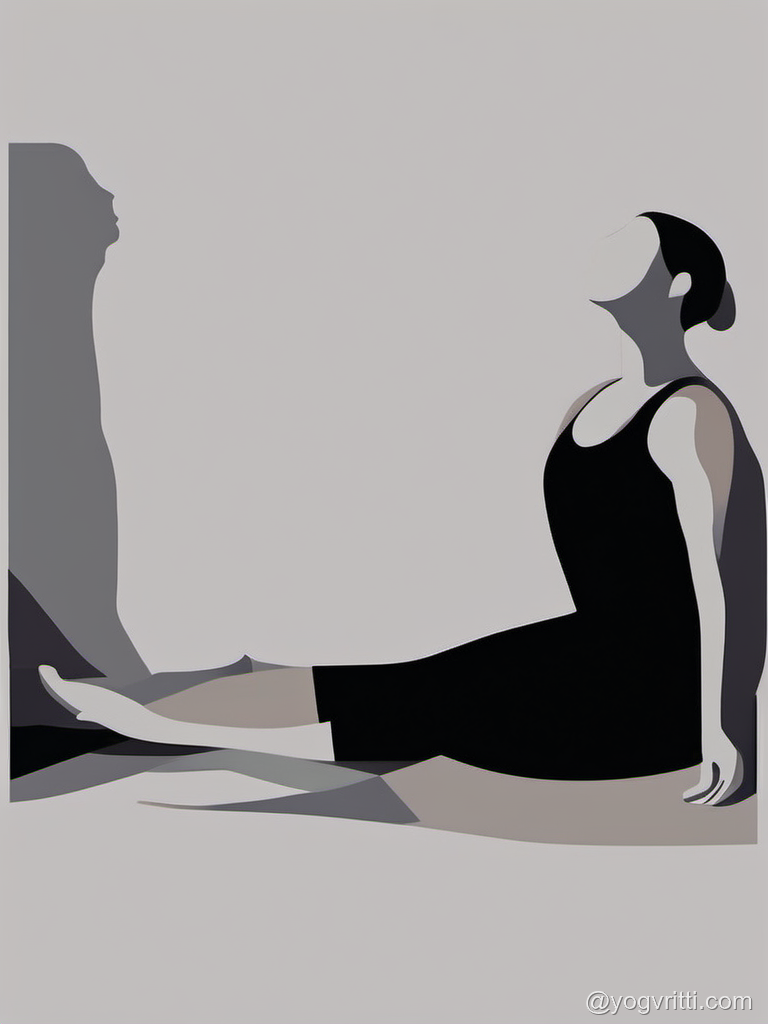
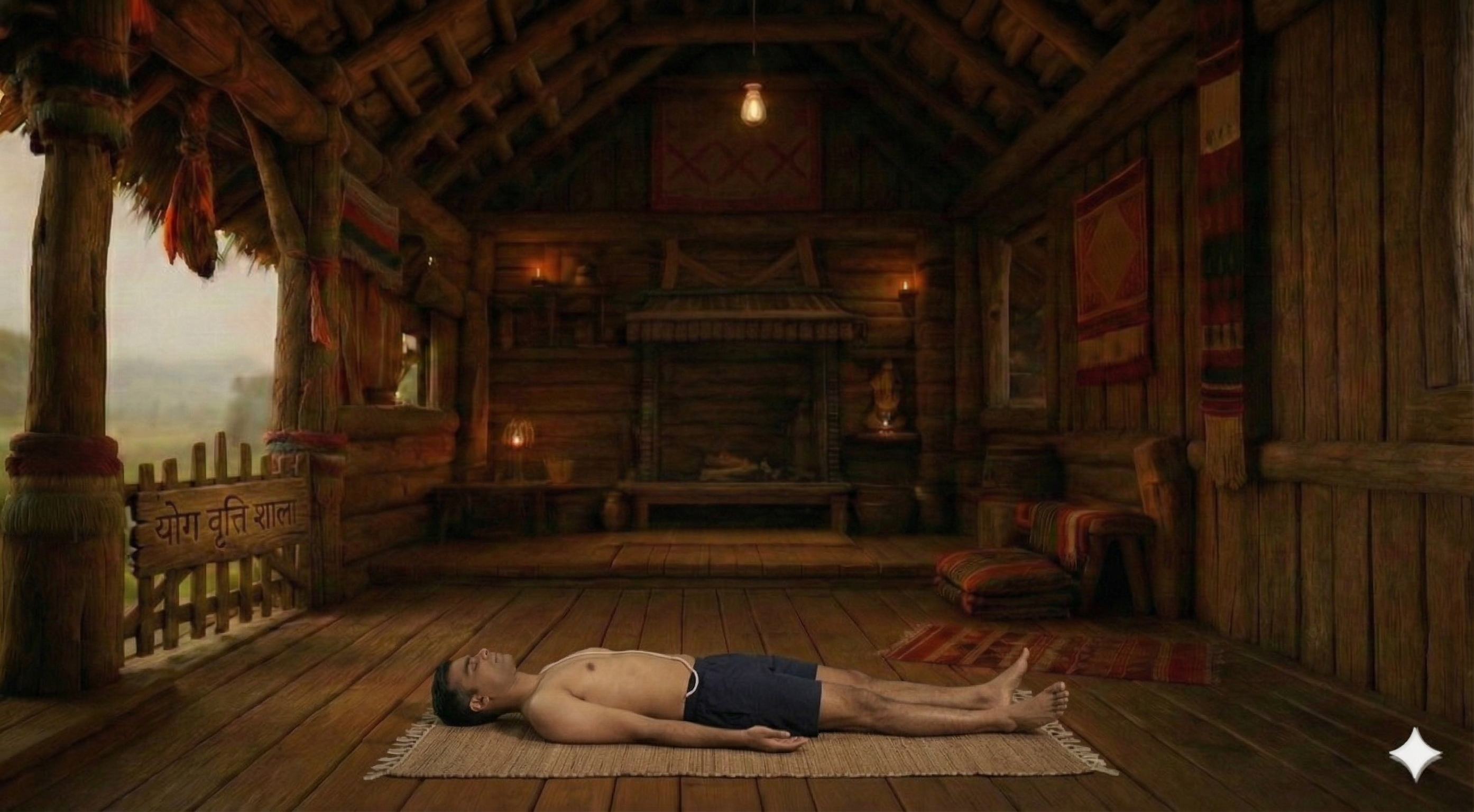
Prepare with: Supta Tadasana, Apanasana, Seated Tadasana. These warm up the relevant muscles and joints.
Related Poses
Similar poses you might enjoy
Build Your Own Sequence
Combine Katichakrasana with other poses