Reclined Revolved Eagle Pose
Reclined Revolved Eagle Pose · सुप्त परिवृत्त गरुडासन
Also known as: Supine Eagle Twist
Reclined Revolved Eagle Pose, also called Supine Eagle Twist is a classical yoga posture in the Iyengar tradition. In this posture, the body rotates the spine, creating space between each vertebra. The posture works to engage the obliques, activate the glutes and release the lower back. Gently stretches the outer hips and glutes. Increases spinal flexibility and mobility. It is particularly valued for alleviating back discomfort and easing sciatic discomfort. Suitable for beginners and regular practitioners alike, it is a calming cool-down, particularly beneficial for beginners and seniors. A blanket and bolster can be used to make the posture more accessible and support correct alignment. Practitioners with spinal injury and knee injury should approach with care or consult a qualified teacher.
Anatomy Involved
Benefits
Obliques(releasing)
These broad sheets of muscle run along the sides of your torso, connecting your ribs to your pelvis and facilitating spinal flexion and rotation. In this pose, the obliques on the side you are twisting away from receive a gentle, sustained stretch, encouraging them to release long-held patterns of tension. This unwinding not only supports greater spinal mobility but also promotes a sense of spaciousness in the abdomen, allowing prana to flow more freely through the navel center, invigorating the digestive fire.
Glutes & Outer Hips(lengthening)
Located at the back and sides of your pelvis, these muscles are often tight from prolonged sitting, standing, or repetitive movements, significantly impacting hip mobility and lower back health. The Eagle leg bind in this reclined twist creates a focused, therapeutic lengthening through these deep hip rotators, especially in the top leg. This release helps to decompress the hip joint and can alleviate pressure on the sciatic nerve, fostering a profound sense of openness and ease in the pelvic bowl, the foundation of our physical and energetic stability.
Lower Back Muscles(releasing)
These intricate muscles run vertically and diagonally along your spine, providing essential support and facilitating subtle movements, but they frequently become stiff and painful from daily stresses and poor posture. In Reclined Revolved Eagle, the gentle twist and supine, supported position allow these muscles to soften and lengthen without strain. This promotes a quiet release of deep tension, encouraging better spinal alignment and circulation, which in turn pacifies apana vayu in the lower back, bringing relief from stiffness and discomfort.
- Full anatomical benefits — muscles, joints, organs →
Avoid If
Back Injury / Back Pain
Spinal flexion, extension, or rotation under load can compress vertebral discs or strain the paraspinal muscles.
Initiate the twist from the upper spine and ribs rather than forcing from the waist; keep both sitting bones grounded.
Knee Injury
Deep flexion or rotation at the knee can strain ligaments, meniscus, or cartilage, especially in a compromised joint.
Never push into pain; use a folded blanket under or between the knees and reduce the depth of the bend.
Hip Injury
Deep hip flexion, external rotation, or weight-bearing can aggravate labral tears, impingement, or bursitis.
Limit the range of hip movement, avoid positions that cause clicking or sharp pain, and use props to support the hip.
Recent Surgery
Surgical wounds and healing tissues need time before being subjected to the mechanical stress of yoga postures.
Wait for full medical clearance from your surgeon; begin with gentle breath work and progress only as healing allows.
Props That Can Help
Optional supports — use when helpful, not required
Folded Blanket
Use a blanket for cushioning, elevation, or support — it adapts the pose to your body's current needs without compromising alignment.
Bolster
A bolster allows gravity to do the work, creating a passive, deeply restorative version of the pose with full body support.
Common Mistakes to Avoid
Teaching Cues
For yoga teachers — verbal cues to guide students
7 cues
Teaching Cues
For yoga teachers — verbal cues to guide students
- 1Lengthen the spine on the inhalation, deepen the twist on the exhalation
- 2Initiate the rotation from the navel, then the chest, finally the head
- 3Keep both sitting bones grounded equally
- 4Maintain the length of the spine — do not collapse into the twist
- 5Use the breath to create space for the rotation
- 6Allow the hip joints to open gradually — never force
- 7Surrender the weight of the body to the props and the floor
Pose Details
Helps With
Pose Type
Body Focus
Focus Areas
Best For
Yoga Styles
When to Practice
Position
Modify If You Have
knee injury
Untwist the legs, keep knees together, or place a block between them to protect the knees.
hip injury
Keep legs untwisted and move knees only as far as comfortable, or place a bolster under the knees.
spinal injury
Reduce the twist depth, keep knees closer to the body, and support with a bolster under the knees.
Target Areas
Practice Flow
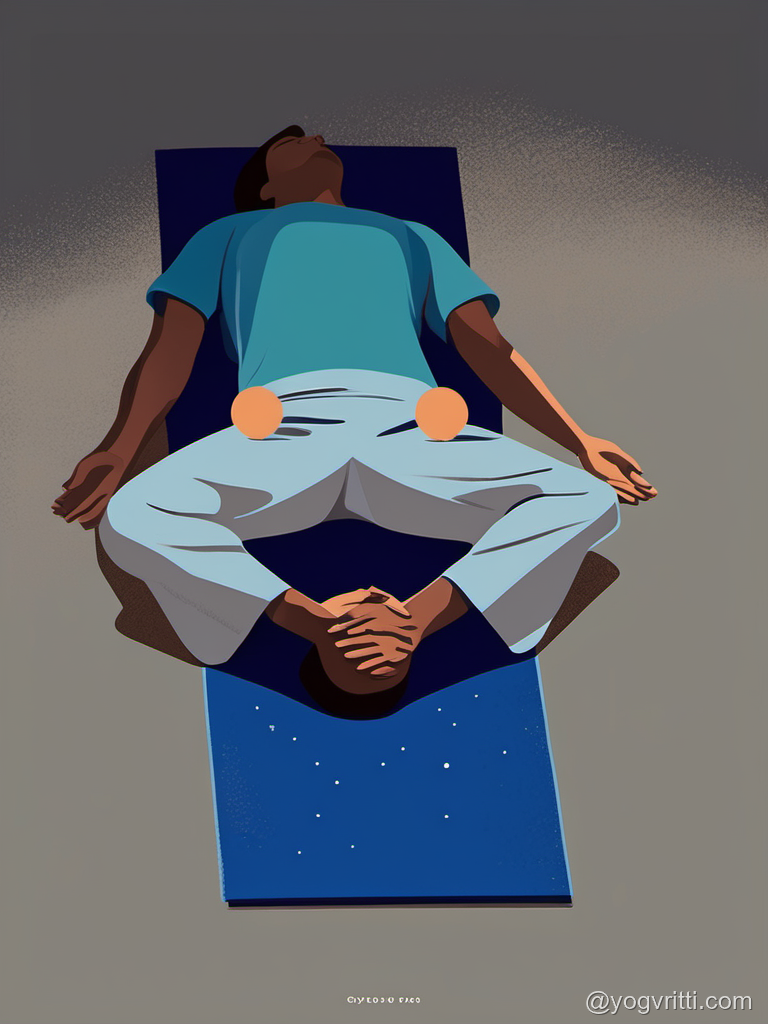
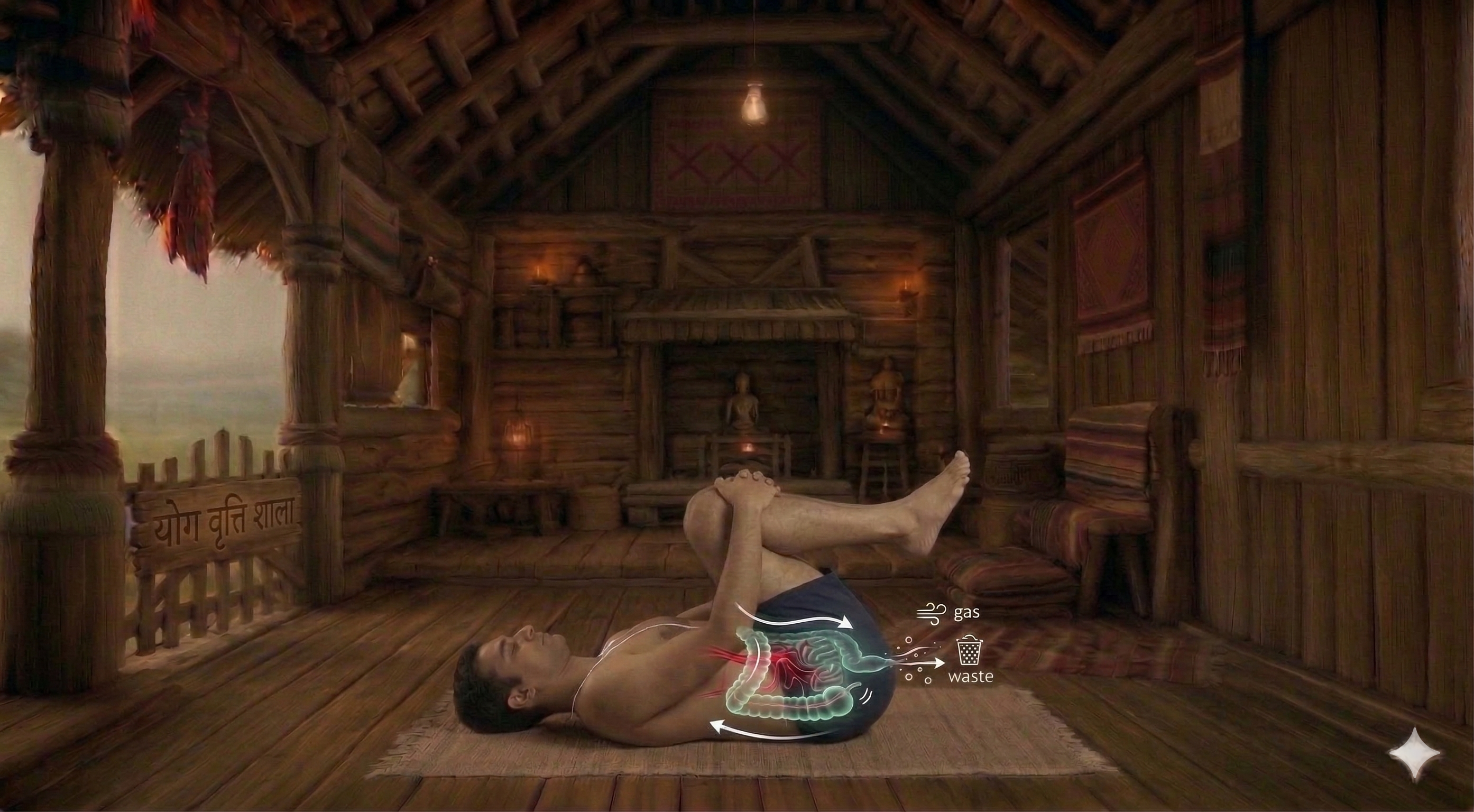
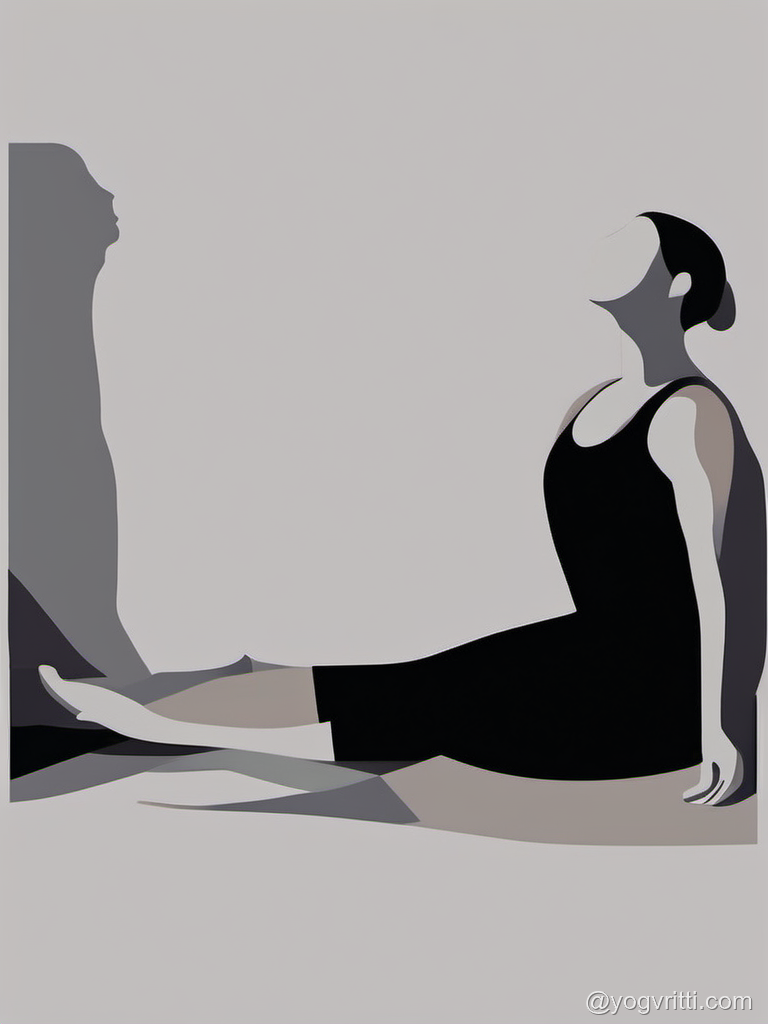

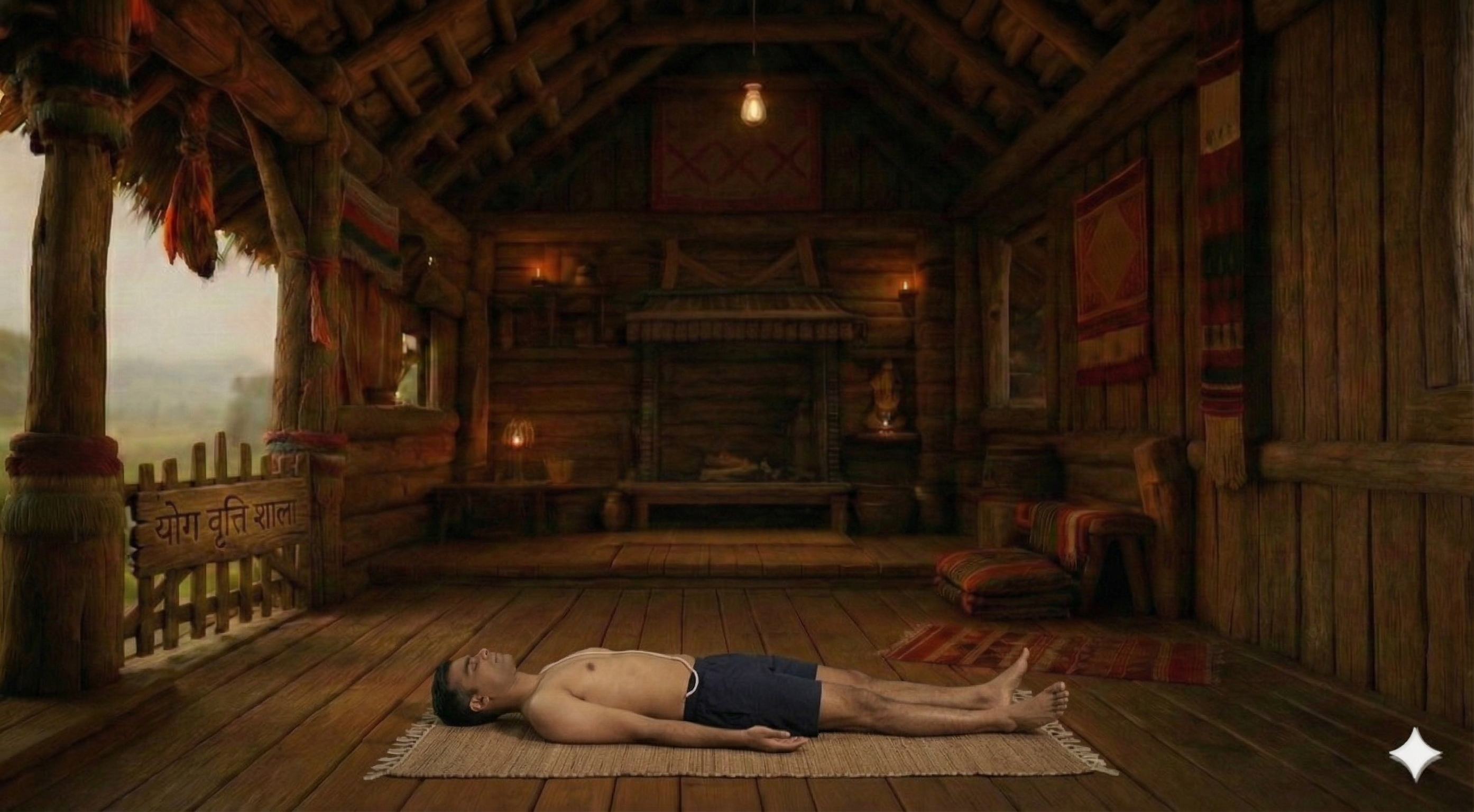
How to Practice
1. Lie on your back with your knees bent and feet flat on the floor, close to your hips.
2. Lift your right knee and cross your right thigh over your left thigh, as in Eagle Pose. If possible, wrap your right foot's toes behind your left calf.
3. Extend your arms out to the sides, palms facing up, or in a T-shape.
4. Inhale and, as you exhale, gently let your legs twist to the left, keeping your knees together.
5. Allow your knees to lower towards the floor or a block until you feel a comfortable stretch in your lower back and outer hip.
5 more steps remaining
Register free to see the complete instructions
Register Free to ContinueAlready registered? Login
Frequently Asked Questions
Common questions about Reclined Revolved Eagle Pose
What is Reclined Revolved Eagle Pose?
Reclined Revolved Eagle Pose, also called Supine Eagle Twist is a classical yoga posture in the Iyengar tradition. In this posture, the body rotates the spine, creating space between each vertebra. The posture works to engage the obliques, activate the glutes and release the lower back. Gently stretches the outer hips and glutes. Increases spinal flexibility and mobility. It is particularly valued for alleviating back discomfort and easing sciatic discomfort. Suitable for beginners and regular practitioners alike, it is a calming cool-down, particularly beneficial for beginners and seniors. A blanket and bolster can be used to make the posture more accessible and support correct alignment. Practitioners with spinal injury and knee injury should approach with care or consult a qualified teacher.
What are the benefits of Reclined Revolved Eagle Pose?
Releases tension in the lower back and hips. Gently stretches the outer hips and glutes. Increases spinal flexibility and mobility. Calms the nervous system and reduces stress. Stimulates abdominal organs. Relieves mild sciatica and back pain.
Who should avoid Reclined Revolved Eagle Pose?
Avoid this pose if you have: Severe spinal injury or disc issues, Acute knee injury, Acute hip injury, Recent abdominal surgery, Severe sciatica (can exacerbate in some cases).
How many steps are in Reclined Revolved Eagle Pose?
Reclined Revolved Eagle Pose is practiced in 10 steps. Lie on your back with your knees bent and feet flat on the floor, close to your hips.
Is Reclined Revolved Eagle Pose suitable for beginners?
Yes, Reclined Revolved Eagle Pose is a beginner-friendly pose suitable for all levels.
What props are needed for Reclined Revolved Eagle Pose?
You may use: blanket, bolster. Props make the pose more accessible and comfortable.
What conditions does Reclined Revolved Eagle Pose help with?
Reclined Revolved Eagle Pose is therapeutic for: back pain, sciatica, hip injury, anxiety, insomnia, flexibility.
What poses should I do before Reclined Revolved Eagle Pose?
Prepare with: Supta Tadasana, Apanasana, Seated Tadasana. These warm up the relevant muscles and joints.
Related Poses
Similar poses you might enjoy
Build Your Own Sequence
Combine Reclined Revolved Eagle Pose with other poses