Revolved Child's Pose
Revolved Child's Pose · परिवृत्त बालासन
Also known as: Twisted Child's Pose · Thread Needle Child's Pose
Revolved Child's Pose, also called Twisted Child's Pose is a classical yoga posture in the Iyengar tradition. Beginning from a kneeling position, the practitioner rotates the spine, creating space between each vertebra. The posture works to engage the obliques. Gently stretches the lower back and hips. Improves spinal mobility. It is particularly valued for quieting an anxious mind. Suitable for beginners and regular practitioners alike, it is an excellent warm-up, particularly beneficial for beginners and desk workers. A blanket and block can be used to make the posture more accessible and support correct alignment. Practitioners with knee injury and wrist injury should approach with care or consult a qualified teacher.
Anatomy Involved
Benefits
Spinal Erectors(lengthening)
These long muscles running vertically along either side of your spine (erector spinae) are gently elongated as you fold forward into Child's Pose. The added twist creates a differential stretch, inviting a release on the side opposite the twist while subtly toning the side initiating the rotation. This balanced action helps to decompress the vertebral segments, fostering a feeling of spaciousness along the entire length of the back.
Side Abdominals(activating)
Your powerful side abdominal muscles (obliques) are key players in initiating and deepening this gentle twist. The external oblique on the side you're twisting towards works synergistically with the internal oblique on the opposite side to rotate the torso. This engagement helps to wring out tension, stimulate circulation to the abdominal organs, and enhance your awareness of the subtle core support for spinal rotation.
Between Shoulder Blades(lengthening)
The muscles nestled between your shoulder blade and spine (rhomboids) experience a gentle, sustained lengthening as you thread one arm under the torso. This action encourages the shoulder blade to protract and rotate, releasing habitual tension often held from prolonged sitting or rounded postures. The release in this area helps to free up the upper back, creating more space for the breath and fostering a sense of lightness in the shoulder girdle.
- Full anatomical benefits — muscles, joints, organs →
Avoid If
Diarrhea
Twisting and strong abdominal compression stimulate intestinal peristalsis, which can worsen diarrhoea.
Rest and allow the digestive system to recover; practise only very gentle, restorative postures.
Knee Injury
Deep flexion or rotation at the knee can strain ligaments, meniscus, or cartilage, especially in a compromised joint.
Never push into pain; use a folded blanket under or between the knees and reduce the depth of the bend.
Wrist Injury / Carpal Tunnel
Weight-bearing or extended wrist positions can compress the median nerve and aggravate inflamed tendons, worsening pain and causing numbness.
Avoid full weight on extended wrists; use fists, forearms, or a wedge to keep the wrist in a neutral position.
Props That Can Help
Optional supports — use when helpful, not required
Folded Blanket
Use a blanket for cushioning, elevation, or support — it adapts the pose to your body's current needs without compromising alignment.
Yoga Block
Use a block to reduce the reach distance, support alignment, and make the posture accessible at your current level of flexibility.
Common Mistakes to Avoid
Teaching Cues
For yoga teachers — verbal cues to guide students
7 cues
Teaching Cues
For yoga teachers — verbal cues to guide students
- 1Lengthen the spine on the inhalation, deepen the twist on the exhalation
- 2Initiate the rotation from the navel, then the chest, finally the head
- 3Keep both sitting bones grounded equally
- 4Maintain the length of the spine — do not collapse into the twist
- 5Use the breath to create space for the rotation
- 6Hinge from the hips, leading with the chest
- 7Surrender the weight of the body to the props and the floor
Pose Details
Helps With
Pose Type
Body Focus
Focus Areas
Best For
Yoga Styles
When to Practice
Position
Modify If You Have
knee injury
Place a blanket between the calves and thighs, or keep knees wide with a bolster under the torso.
neck pain
Keep the head in a neutral position or use a higher support for the head.
Target Areas
Practice Flow
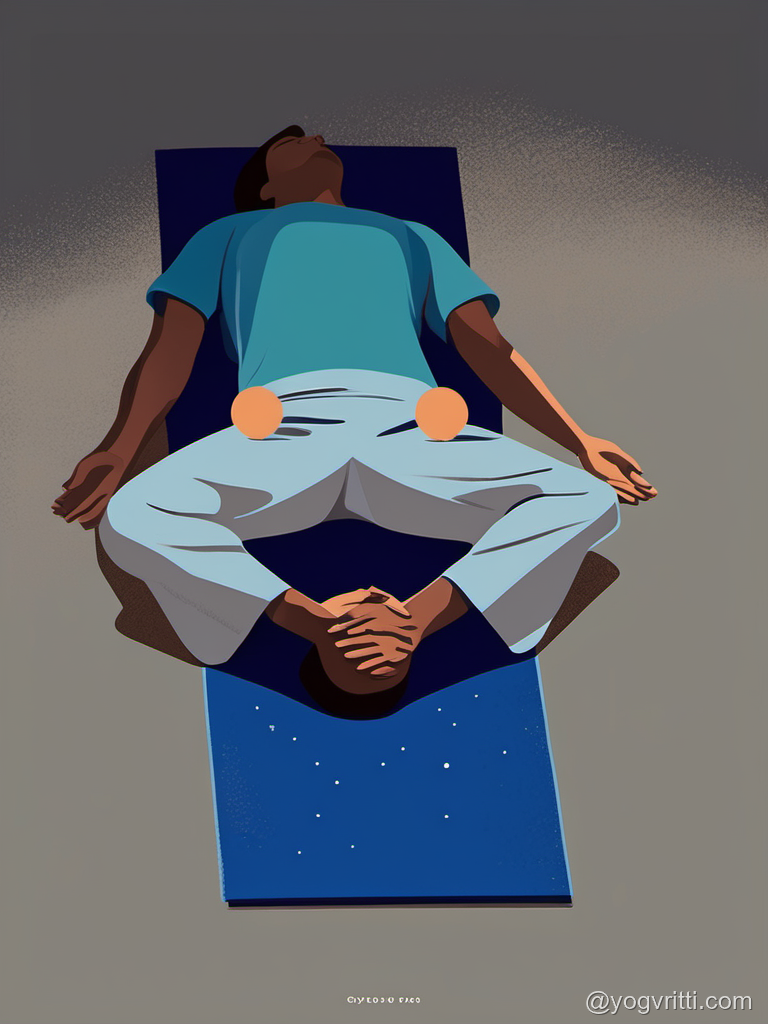
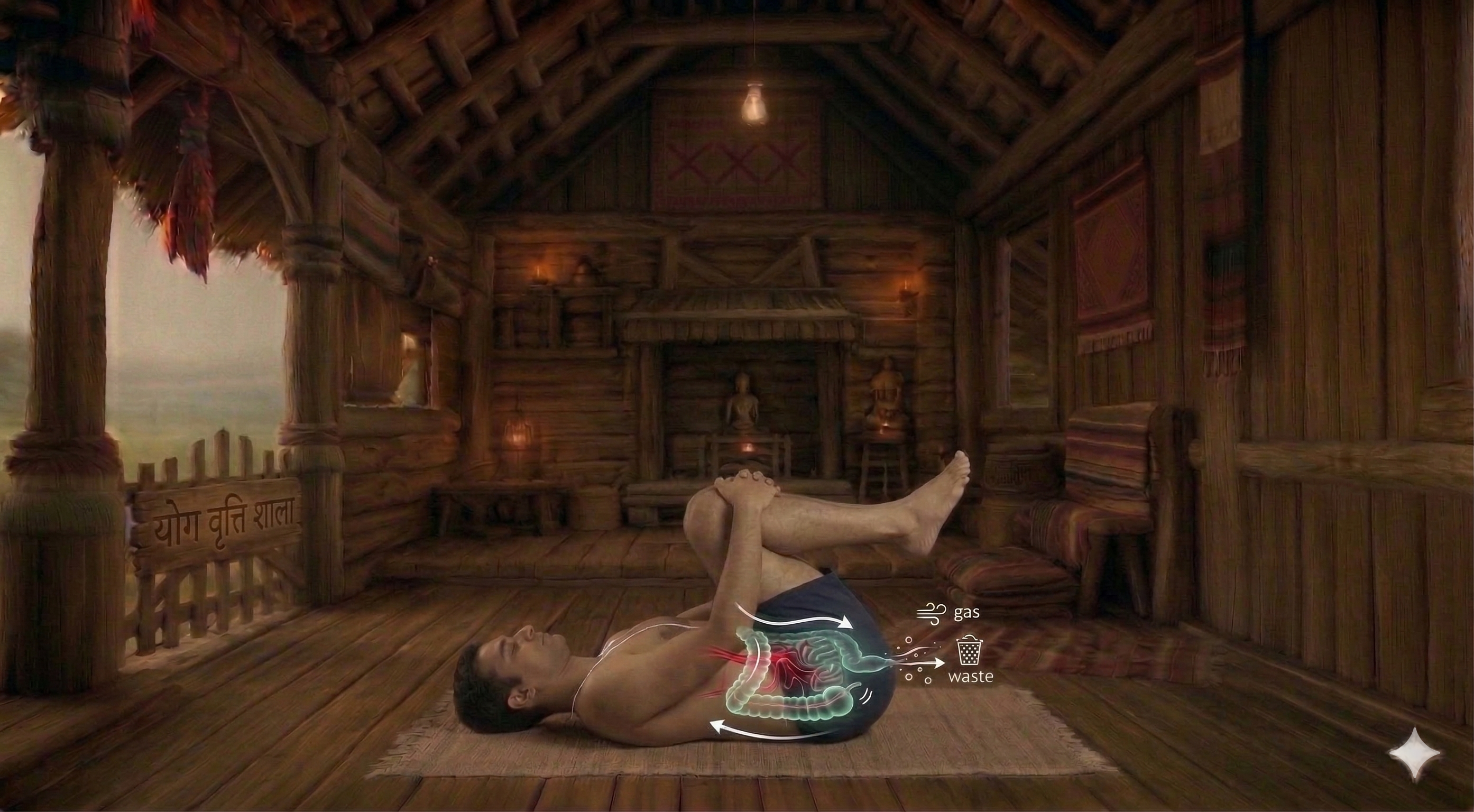
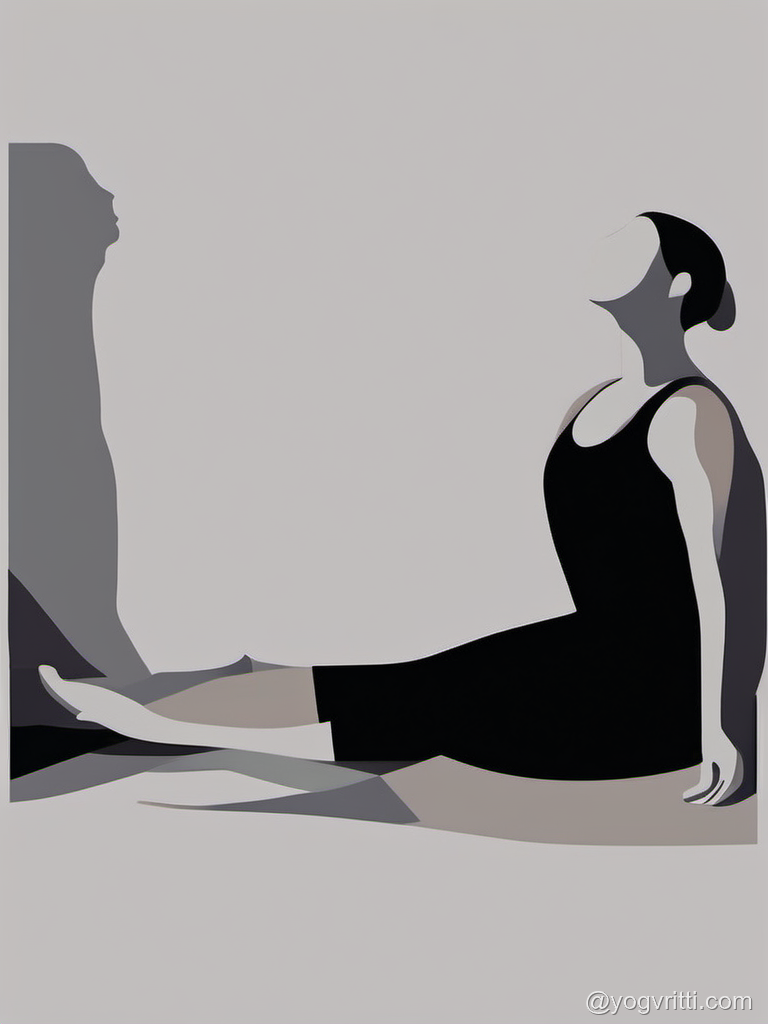

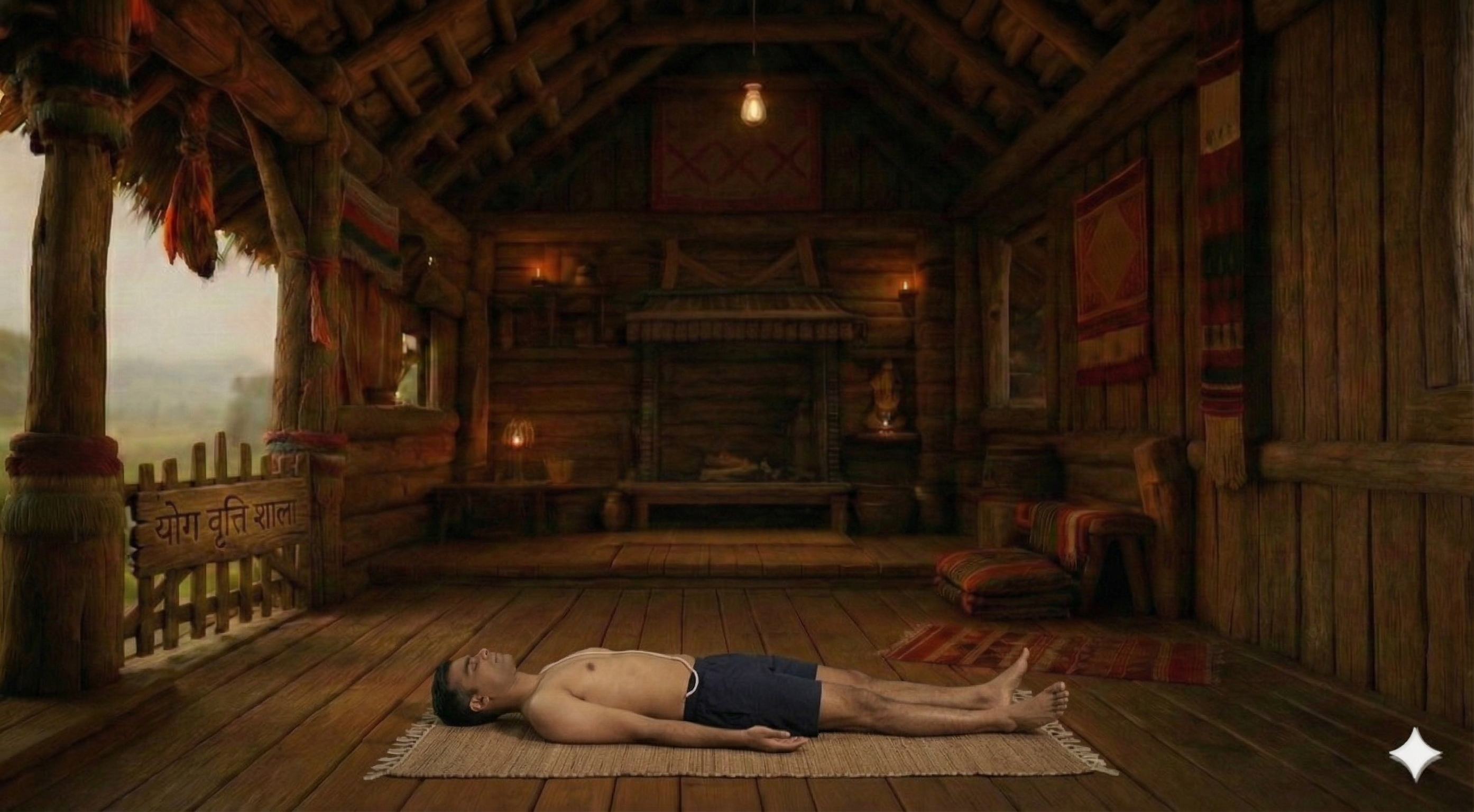
How to Practice
1. Begin in Child's Pose (Balasana) with your knees wide or together, big toes touching, and torso folded over your thighs, forehead resting on the mat or a blanket.
2. Extend both arms forward, palms down, fingers spread. Ensure your hips are heavy towards your heels.
3. Inhale, and on an exhale, slide your right arm underneath your left armpit, palm facing up.
4. Rest your right shoulder and the side of your head gently on the mat or a block.
5. Keep your left arm extended forward or bring your left hand to your right shoulder for a deeper twist.
5 more steps remaining
Register free to see the complete instructions
Register Free to ContinueAlready registered? Login
Frequently Asked Questions
Common questions about Revolved Child's Pose
What is Revolved Child's Pose?
Revolved Child's Pose, also called Twisted Child's Pose is a classical yoga posture in the Iyengar tradition. Beginning from a kneeling position, the practitioner rotates the spine, creating space between each vertebra. The posture works to engage the obliques. Gently stretches the lower back and hips. Improves spinal mobility. It is particularly valued for quieting an anxious mind. Suitable for beginners and regular practitioners alike, it is an excellent warm-up, particularly beneficial for beginners and desk workers. A blanket and block can be used to make the posture more accessible and support correct alignment. Practitioners with knee injury and wrist injury should approach with care or consult a qualified teacher.
What are the benefits of Revolved Child's Pose?
Calms the brain and helps relieve stress. Gently stretches the lower back and hips. Improves spinal mobility. Releases tension in shoulders and neck. Aids digestion. Promotes internal organ massage.
Who should avoid Revolved Child's Pose?
Avoid this pose if you have: Diarrhea, Knee injury (if knees together is painful), Pregnancy (can modify with wider knees), Recent wrist or ankle injury.
How many steps are in Revolved Child's Pose?
Revolved Child's Pose is practiced in 10 steps. Begin in Child's Pose (Balasana) with your knees wide or together, big toes touching, and torso folded over your thighs, forehead resting on the mat or a blanket.
Is Revolved Child's Pose suitable for beginners?
Yes, Revolved Child's Pose is a beginner-friendly pose suitable for all levels.
What props are needed for Revolved Child's Pose?
You may use: blanket, block. Props make the pose more accessible and comfortable.
What conditions does Revolved Child's Pose help with?
Revolved Child's Pose is therapeutic for: anxiety, digestive problems, back pain, flexibility, relaxation.
What poses should I do before Revolved Child's Pose?
Prepare with: Supta Tadasana, Apanasana, Seated Tadasana. These warm up the relevant muscles and joints.
Related Poses
Similar poses you might enjoy
Build Your Own Sequence
Combine Revolved Child's Pose with other poses