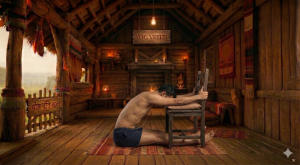
बैठकर · उन्नत
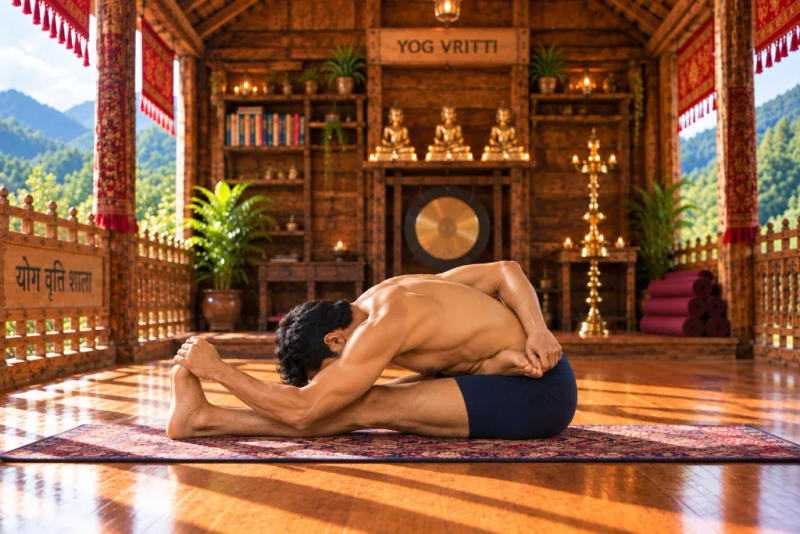
अर्ध बद्ध पद्म पश्चिमोत्तानासन
Half Bound Lotus Forward Bend
ArdhaHalfBaddhaBoundPadmaLotusPaschimaWest / BackUttanaIntense StretchAsanaPose
अर्ध बद्ध पद्म पश्चिमोत्तानासन एक उन्नत बैठा हुआ आगे की ओर झुकने वाला आसन है जो आगे की ओर झुकने को आधे कमल की स्थिति के साथ जोड़ता है। यह हैमस्ट्रिंग को गहराई से खींचता है और कूल्हे को खोलता है, जिसके लिए महत्वपूर्ण लचीलापन और संतुलन की आवश्यकता होती है।
स्तर उन्नतप्रकार बैठकरपक्ष एक ओर
अभ्यास की विधि
- 1
दंडासन में टाँगें फैलाकर शुरू करें, कूल्हों में कसाव हो तो मुड़े हुए कंबल पर, और पास में स्ट्रैप रखें।
- 2
हो सके तो दाईं टाँग को अर्ध पद्मासन में लाएँ, पैर को बाईं जांघ पर जितना ऊँचा हो सके, ज़ोर लगाए बिना रखें।
- 3
दाईं बाँह को पीठ के पीछे ले जाकर दाएँ पैर, या उसका बड़ा पंजा, पकड़ें।
- 4
साँस लेते हुए बाईं बाँह को सिर के ऊपर फैलाएँ और रीढ़ को लंबा करें।
- 5
साँस छोड़ते हुए कूल्हे के जोड़ों से बाईं टाँग के ऊपर आगे झुकें, पीठ को जितना हो सके सीधा रखते हुए।
शिक्षण संकेत
यह कहें
- Sit on the front edge of your sitting bones
- Lengthen the spine upward on each inhalation
- Keep the chest lifted and shoulders relaxed
- Ground down through the sitting bones
- Maintain an elongated spine — avoid rounding the back
- Allow the hip joints to open gradually — never force
- Hinge from the hips, leading with the chest
इन पर ध्यान दें
- Rounding the lower back — sit on a folded blanket if needed
- Forcing the knees down — let gravity work naturally
- Collapsing the chest and slouching forward
- Tensing the neck and jaw
- Rushing into the pose without proper alignment first
- Forcing the hips open beyond their current range
- Rounding the spine instead of hinging from the hips
शरीर पर प्रभाव
मांसपेशियाँ देखने के लिए किसी भाग पर टैप करें3D anatomy adapted from Z-Anatomy, CC BY-SA 4.0
Spine
BothHalf Bound Lotus Forward Bend both stretches and strengthens the muscles along your spine.
Muscles at work
- Erector SpinaeContractsStretches
Acts as prime mover in backbends and straightens the spine in upright postures like tadasana.
Main action: extends, laterally flexes, and assists in rotation of the vertebral column
- MultifidiContractsStretches
The multifidi engage continuously to stabilize the spine against gravity and maintain axial extension during backbends, twists, and standing poses.
Main action: Bilaterally extends the vertebral column; unilaterally laterally flexes and contralaterally rotates the vertebral column, while stabilizing spinal segments during movement
- RotatoresContractsStretches
The rotatores act as proprioceptive stabilizers and subtle rotators of the spine during seated and standing twisting postures.
Main action: Contralateral rotation of the vertebral column and stabilization of individual vertebral segments
- Stretches the hamstrings and spine
- Opens the hip joint
- Calms the brain and helps relieve stress
- Improves digestion
- Stimulates the liver and kidneys
- Increases flexibility
सावधानियाँ
Knee Injury
Deep flexion or rotation at the knee can strain ligaments, meniscus, or cartilage, especially in a compromised joint.
बदलाव · Bend the knees generously to protect the joint and keep the weight in the heels rather than the toes.
Hip Injury
Deep hip flexion, external rotation, or weight-bearing can aggravate labral tears, impingement, or bursitis.
बदलाव · Limit the range of hip movement, avoid positions that cause clicking or sharp pain, and use props to support the hip.
Back Injury / Back Pain
Spinal flexion, extension, or rotation under load can compress vertebral discs or strain the paraspinal muscles.
बदलाव · Bend both knees generously, hinge from the hips rather than rounding the spine, and rest hands on blocks or thighs.
Sciatica
Certain hip stretches and forward bends pull on the sciatic nerve, temporarily increasing radiating pain down the leg.
बदलाव · Bend the knees deeply to reduce tension on the sciatic nerve; prioritise a long spine over straight legs.
Back Pain
बदलाव · Avoid the half lotus, keep the leg straight, or use a blanket under hips.
कक्षा में
 अर्ध बद्ध पद्म पश्चिमोत्तानासनयह आसन
त्वरित उत्तर
अर्ध बद्ध पद्म पश्चिमोत्तानासन क्या है?
अर्ध बद्ध पद्म पश्चिमोत्तानासन एक उन्नत बैठा हुआ आगे की ओर झुकने वाला आसन है जो आगे की ओर झुकने को आधे कमल की स्थिति के साथ जोड़ता है। यह हैमस्ट्रिंग को गहराई से खींचता है और कूल्हे को खोलता है, जिसके लिए महत्वपूर्ण लचीलापन और संतुलन की आवश्यकता होती है।
अर्ध बद्ध पद्म पश्चिमोत्तानासन कैसे करें?
दंडासन में टाँगें फैलाकर शुरू करें, कूल्हों में कसाव हो तो मुड़े हुए कंबल पर, और पास में स्ट्रैप रखें। हो सके तो दाईं टाँग को अर्ध पद्मासन में लाएँ, पैर को बाईं जांघ पर जितना ऊँचा हो सके, ज़ोर लगाए बिना रखें। दाईं बाँह को पीठ के पीछे ले जाकर दाएँ पैर, या उसका बड़ा पंजा, पकड़ें। साँस लेते हुए बाईं बाँह को सिर के ऊपर फैलाएँ और रीढ़ को लंबा करें।
क्या शुरुआती लोग अर्ध बद्ध पद्म पश्चिमोत्तानासन कर सकते हैं?
यह उन्नत स्तर का आसन है। शुरुआती लोग पहले आसान आसनों से तैयारी करें।
- आसन प्रकार
- Forward Bend, Hip Opener
- मुख्य भाग
- Lower Body, Hips, Spine
- किसके लिए
- Athletes
- योग शैली
- Iyengar, Ashtanga, Hatha
- कब करें
- Peak Pose, Morning