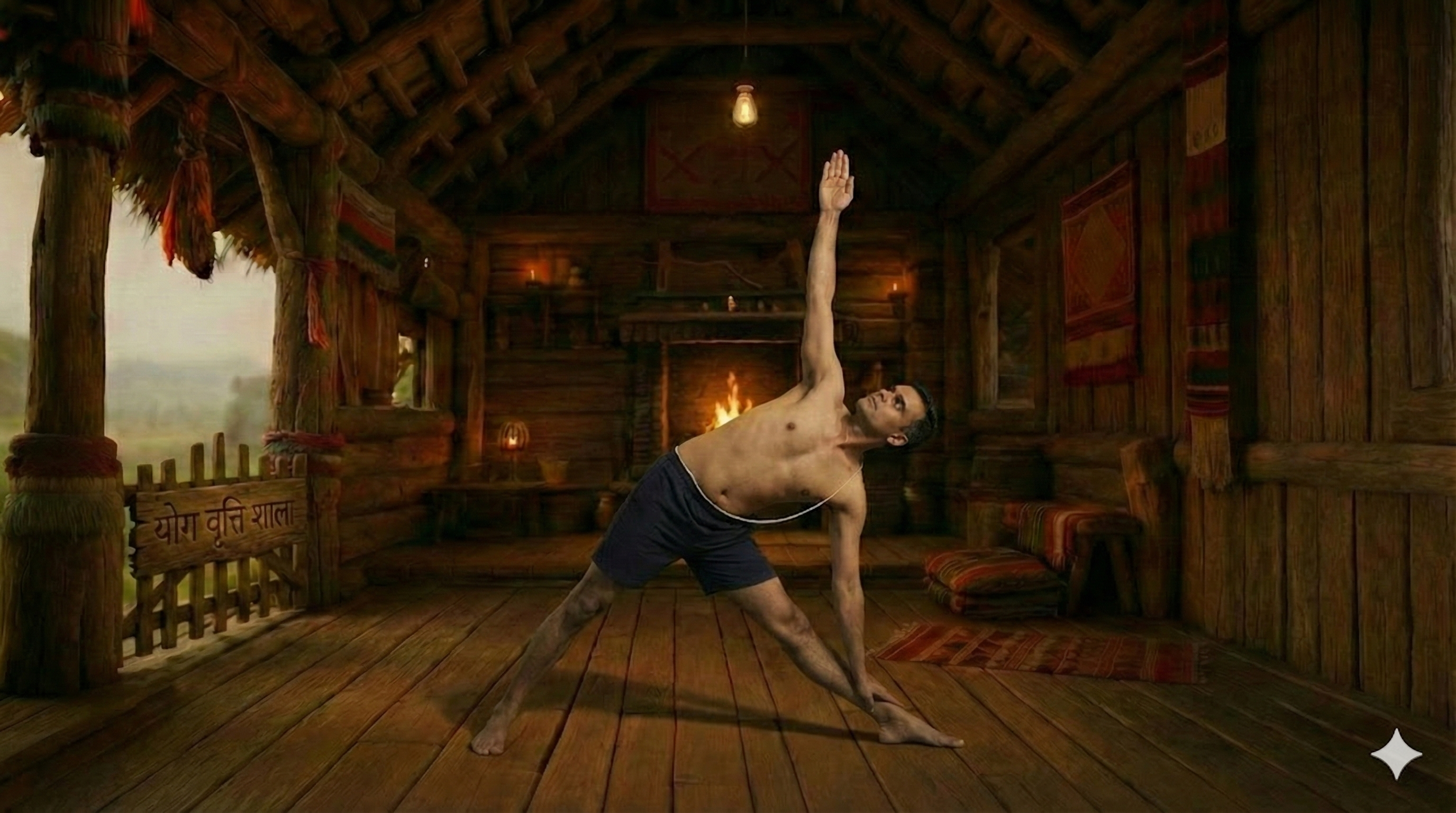
Triangle Pose with Block
Utthita Trikonasana with Block · उत्थित त्रिकोणासन ब्लॉक
Also known as: Supported Triangle
Triangle Pose with Block, also called Supported Triangle is a classical yoga posture. Its Sanskrit name Utthita Trikonasana with Block translates word-for-word as: Utthita (Extended / Raised) · Trikonasana (Trikonasana) · Asana (Pose). From a standing position, the body roots firmly through the feet while the spine extends upward. The posture works to lengthen the hamstrings, engage the obliques and open and strengthen the shoulders. Block prevents collapsing. Teaches chest opening. It is particularly valued for developing greater flexibility and improving overall posture. Suitable for beginners and regular practitioners alike, it is an excellent warm-up, particularly beneficial for beginners. A block can be used to make the posture more accessible and support correct alignment. Practitioners with hamstring injury should approach with care or consult a qualified teacher.
Anatomy Involved
Benefits
Inner Thighs(lengthening)
The powerful muscles on the inside of your front thigh (adductors) are deeply engaged here, experiencing a sustained lengthening as you extend laterally, opening the often-tight groin region. This release of accumulated tension can significantly improve hip mobility and pelvic stability, which is crucial for balanced walking and standing. Energetically, this opening allows for a freer flow of apana vayu, promoting a sense of groundedness and release from the base of the pelvis, fostering ease in the lower body.
Hamstrings(lengthening)
While still profoundly lengthening, the block allows for a more controlled and sustainable stretch of the hamstrings, preventing overstretching or strain often associated with trying to reach the floor without sufficient flexibility. This support liberates the posterior chain, enabling the practitioner to maintain spinal integrity and distribute the stretch more evenly across the entire back of the leg, rather than just the insertion points.
Gluteus Medius & Minimus(stabilizing)
These crucial muscles on the outer side of your hips (gluteus medius and minimus) are actively engaged in both legs, working tirelessly to stabilize the pelvis and prevent the front hip from collapsing forward or backward. By rooting the outer edges of the feet and lifting through the inner arches, you activate these stabilizers, creating a firm foundation for the pose. This engagement cultivates a sense of unwavering stability and control in the hips, translating to a feeling of inner strength and confidence that radiates throughout the entire posture.
- Full anatomical benefits — muscles, joints, organs →
Avoid If
Hamstring Injury
Aggressive stretching of a torn or strained hamstring can reinjure muscle fibres — the attachment near the sitting bone is especially vulnerable.
Do not try to straighten the legs fully; prioritise a neutral pelvis and neutral lower back over hamstring length.
Props That Can Help
Optional supports — use when helpful, not required
Yoga Block
Rest the lower hand on a block instead of the floor to maintain a long spine and open chest, especially helpful when flexibility is still developing.
Common Mistakes to Avoid
Teaching Cues
For yoga teachers — verbal cues to guide students
7 cues
Teaching Cues
For yoga teachers — verbal cues to guide students
- 1Place the block at an appropriate height for your flexibility
- 2Step the feet 3.5 to 4 feet apart
- 3Turn the front foot out 90 degrees, back foot in slightly
- 4Extend the torso laterally over the front leg — not forward
- 5Keep the body in one plane — as if between two panes of glass
- 6Reach the top arm straight up, stacking the shoulders
- 7Turn the gaze toward the top hand if the neck allows
Pose Details
Helps With
Pose Type
Body Focus
Focus Areas
Best For
Yoga Styles
When to Practice
Position
Target Areas
Practice Flow
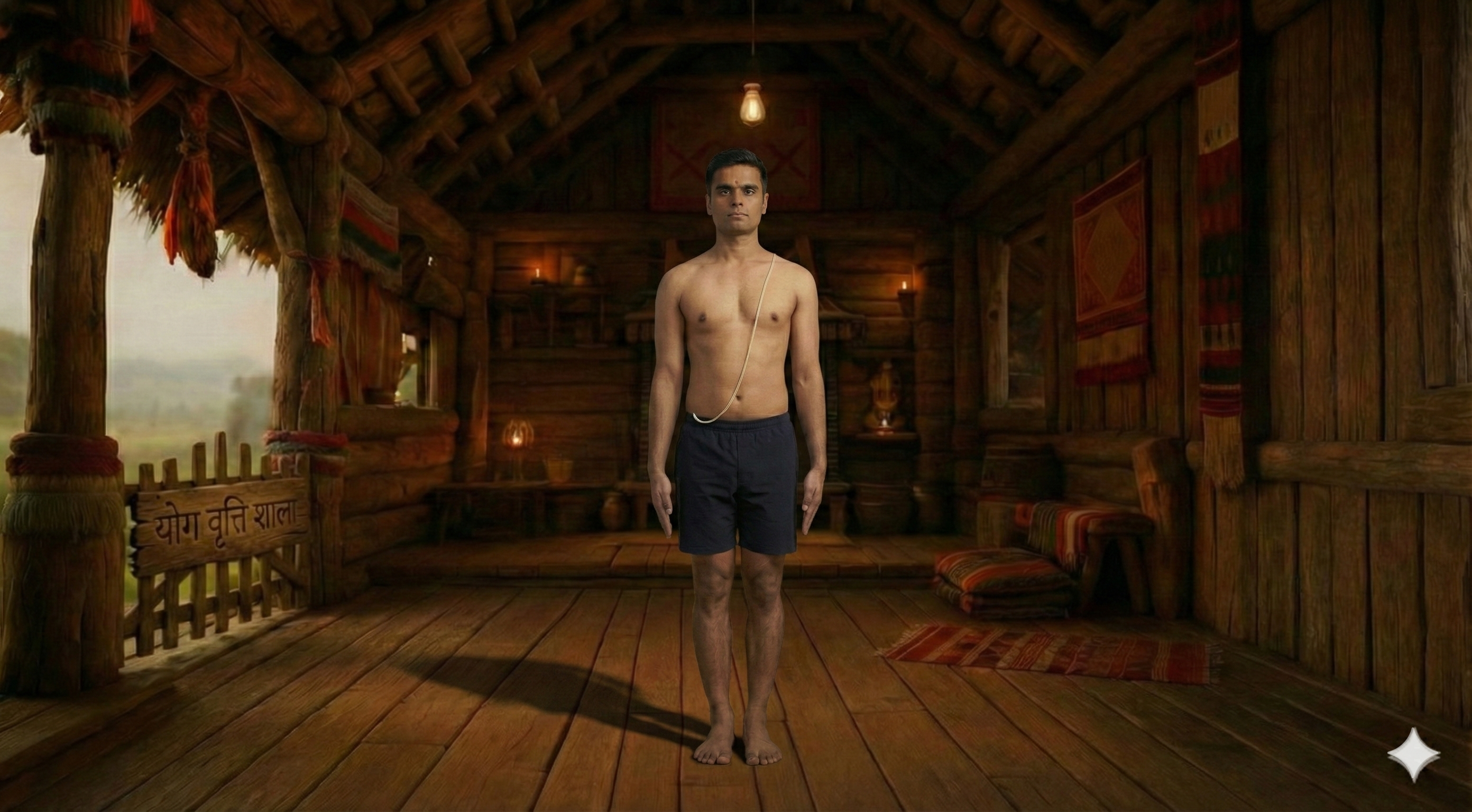

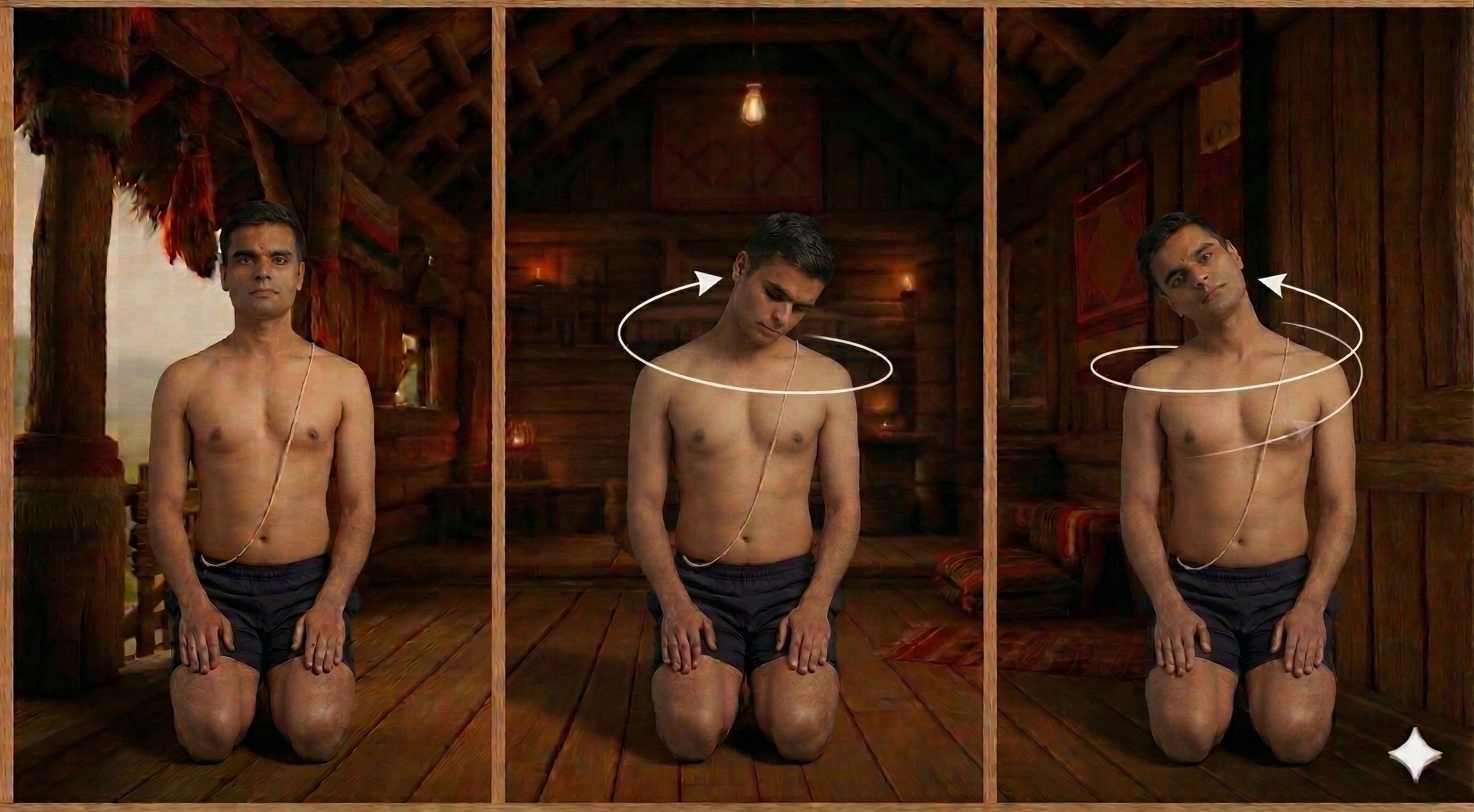

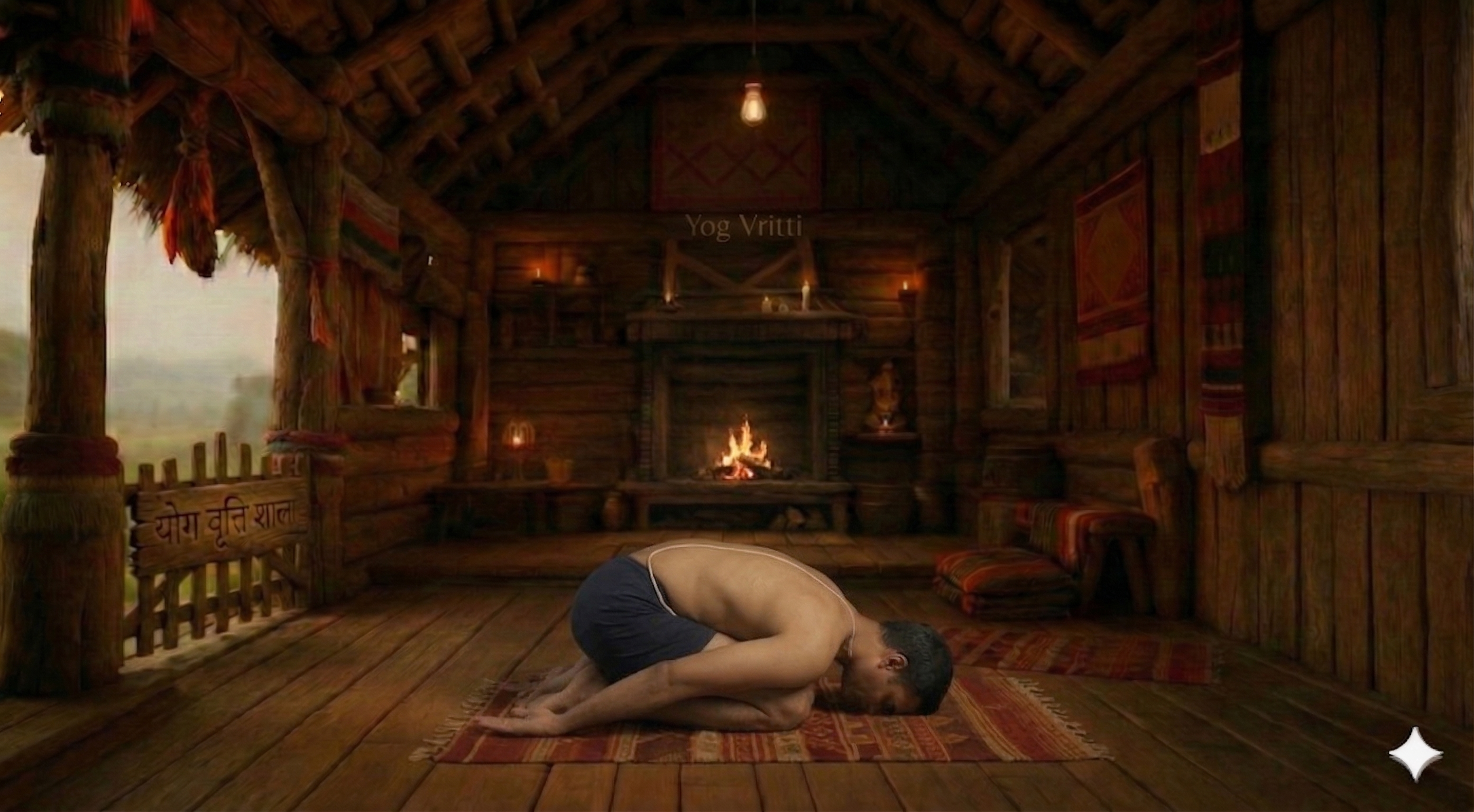
How to Practice
1. Feet 3.5 feet wide.
2. Right toes 90° out.
3. Block outside right foot.
4. Arms in T.
5. Right hand on block.
5 more steps remaining
Register free to see the complete instructions
Register Free to ContinueAlready registered? Login
Frequently Asked Questions
Common questions about Utthita Trikonasana with Block
What is Triangle Pose with Block?
Triangle Pose with Block, also called Supported Triangle is a classical yoga posture. Its Sanskrit name Utthita Trikonasana with Block translates word-for-word as: Utthita (Extended / Raised) · Trikonasana (Trikonasana) · Asana (Pose). From a standing position, the body roots firmly through the feet while the spine extends upward. The posture works to lengthen the hamstrings, engage the obliques and open and strengthen the shoulders. Block prevents collapsing. Teaches chest opening. It is particularly valued for developing greater flexibility and improving overall posture. Suitable for beginners and regular practitioners alike, it is an excellent warm-up, particularly beneficial for beginners. A block can be used to make the posture more accessible and support correct alignment. Practitioners with hamstring injury should approach with care or consult a qualified teacher.
What are the benefits of Triangle Pose with Block?
Accessible Triangle. Block prevents collapsing. Teaches chest opening. Iyengar essential.
Who should avoid Triangle Pose with Block?
Avoid this pose if you have: Hamstring injuries.
How many steps are in Triangle Pose with Block?
Triangle Pose with Block is practiced in 10 steps. Feet 3.5 feet wide.
Is Triangle Pose with Block suitable for beginners?
Yes, Triangle Pose with Block is a beginner-friendly pose suitable for all levels.
What props are needed for Triangle Pose with Block?
You may use: block. Props make the pose more accessible and comfortable.
What conditions does Triangle Pose with Block help with?
Triangle Pose with Block is therapeutic for: flexibility, posture correction.
What poses should I do before Triangle Pose with Block?
Prepare with: Trikonasana, Tadasana, Shoulder Rolls, Neck Rolls, Tadasana Variation: Heel Raises. These warm up the relevant muscles and joints.
Build Your Own Sequence
Combine Utthita Trikonasana with Block with other poses