Variations





With props

prone · beginner· अधो मुख श्वानासन भिन्नता कटि वृत्त
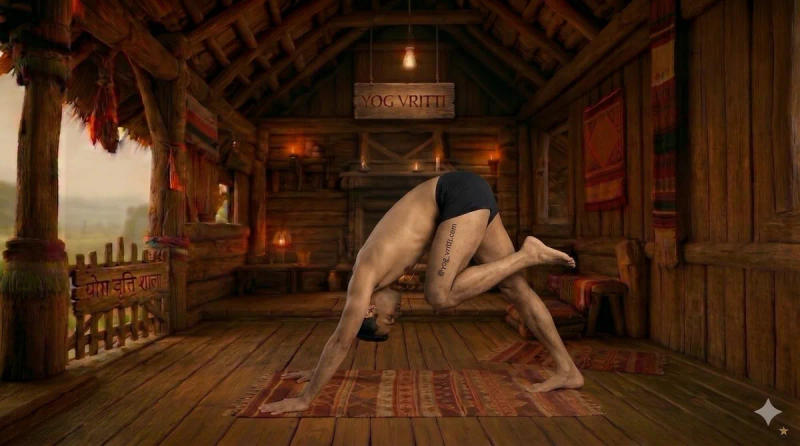
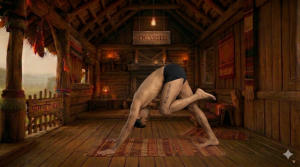
Hip Circles Downward Dog
Adho Mukha Svanasana Variation Hip Circles · Down Dog Hip Circles
AdhoDownwardMukhaFaceSvanaDogAsanaPose
In this posture, the body engages the posterior chain against the gentle resistance of gravity. The posture works to release tension in the hips, open and strengthen the shoulders and lengthen the hamstrings. Improves hip joint flexibility. Stretches hamstrings and calves. Suitable for beginners and regular practitioners alike, it is an excellent warm-up, particularly beneficial for beginners and desk workers. Practitioners with hip injury and wrist injury should approach with care or consult a qualified teacher.
Level BeginnerType ProneSides One side
How to practise
- 1
Start by lying flat on your stomach.
- 2
Place your hands under your shoulders with the fingers spread wide.
- 3
Keep your feet hip-width apart with your toes tucked under.
- 4
Exhale and lift your hips up and back, forming an inverted V shape.
- 5
Keep your head relaxed between your arms.
Teaching cues
Say this
- Spread the fingers wide, press through the entire palm
- Rotate the upper arms outward — external rotation of the shoulders
- Press the chest toward the thighs
- Lift the sitting bones high toward the ceiling
- Press the heels toward the floor without forcing
- Keep the ears between the upper arms — head in line with the spine
Watch for
- Rounding the upper back — focus on lengthening the spine
- Bending the knees too much — straighten legs progressively
- Dumping weight into the wrists — push the floor away with the full hand
- Letting the head hang heavily — keep the neck in line with the spine
- Flaring the elbows outward — keep them pointing toward the hips
What it works
Tap an area to see its muscles3D anatomy adapted from Z-Anatomy, CC BY-SA 4.0
Shoulders
StrengthenedHip Circles Downward Dog strengthens your shoulders.
Muscles at work
- DeltoidsContracts
Drives arm elevation, abduction, and stabilization in warrior poses, arm balances, and backbends.
Main action: anterior raises arm forward, lateral abducts arm, posterior extends arm backward
- Releases tension in hips and lower back
- Improves hip joint flexibility
- Stretches hamstrings and calves
- Improves circulation
- Gentle massage for abdominal organs
Take care
Wrist Injury / Carpal Tunnel
Weight-bearing or extended wrist positions can compress the median nerve and aggravate inflamed tendons, worsening pain and causing numbness.
Modify · Practise a forearm inversion (Pincha Mayurasana) instead, or use a wall-supported headstand to remove wrist load entirely.
Shoulder Injury
Overhead loading and extreme shoulder rotation can impinge the subacromial space and overload rotator cuff tendons.
Modify · Avoid weight-bearing inversions entirely; practise supported Setu Bandha or Viparita Karani as an alternative.
High Blood Pressure
Vigorous effort and inverted positions temporarily raise blood pressure in the head, increasing strain on blood vessels.
Modify · Avoid this inversion entirely or keep the head above heart level at all times; never hold the breath.
Pregnancy
Deep twists, abdominal compression, and lying flat on the back can restrict blood flow or cause discomfort as pregnancy progresses.
Modify · Avoid all inversions unless already well-established in the practice and with teacher supervision; use a wall-supported legs-up-the-wall instead.
Hip Injury
Deep hip flexion, external rotation, or weight-bearing can aggravate labral tears, impingement, or bursitis.
Modify · Limit the range of hip movement, avoid positions that cause clicking or sharp pain, and use props to support the hip.
In a class


Quick answers
What is Hip Circles Downward Dog?
In this posture, the body engages the posterior chain against the gentle resistance of gravity. The posture works to release tension in the hips, open and strengthen the shoulders and lengthen the hamstrings. Improves hip joint flexibility. Stretches hamstrings and calves.
How do you do Hip Circles Downward Dog?
Start by lying flat on your stomach. Place your hands under your shoulders with the fingers spread wide. Keep your feet hip-width apart with your toes tucked under. Exhale and lift your hips up and back, forming an inverted V shape. The full 9 steps are above.
What are the benefits of Hip Circles Downward Dog?
Releases tension in hips and lower back. Improves hip joint flexibility. Stretches hamstrings and calves. Improves circulation.
Which muscles does Hip Circles Downward Dog work?
Hip Circles Downward Dog mainly works the hips, shoulders, hamstrings and back extensors.
Is Hip Circles Downward Dog good for beginners?
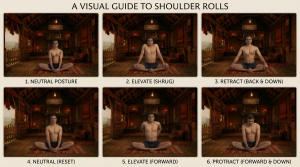
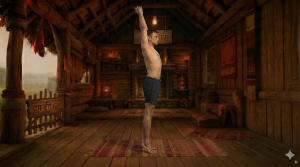
Yes, it is a beginner-level pose. Useful preparation: Downward Facing Dog Pose, Mountain Pose and Shoulder Rolls.
Who should avoid Hip Circles Downward Dog?
Take extra care, or skip it, with wrist injury / carpal tunnel, shoulder injury, high blood pressure, pregnancy or hip injury. If you are unsure, check with a qualified teacher or your doctor first.
- Pose type
- Hip Opener, Inversion
- Body focus
- Hips, Shoulders
- Best for
- Beginners, Desk Workers
- Yoga styles
- Vinyasa, Hatha
- When to practise
- Warm Up, Morning