
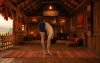
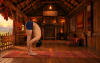
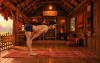




बैठकर · शुरुआती
कुर्सी पर उत्तानासन
Standing Forward Bend on Chair · Uttanasana on Chair
UtIntenseTanaStretchAsanaPose
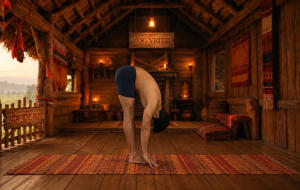
कुर्सी पर उत्तानासन खड़े आगे के मोड़ को बैठी हुई स्थिति में अनुकूलित करता है।
स्तर शुरुआतीप्रकार बैठकरपक्ष दोनों ओर
अभ्यास की विधि
एक मजबूत, बिना हत्थों वाली कुर्सी के आगे के किनारे पर बैठें और पैरों को फर्श पर कूल्हों की चौड़ाई में सपाट रखें।
घुटनों को टखनों के ठीक ऊपर रखें, नितंबों की हड्डियों को सीट पर दबाएँ और रीढ़ को ऊपर की ओर सीधा तानें।
हाथों को जाँघों पर रखें, कंधों को पीछे की ओर घुमाएँ और छाती के दोनों किनारों को ऊपर उठाएँ।
साँस लेते हुए रीढ़ को लंबा करें, फिर साँस छोड़ते हुए कमर के जोड़ से आगे झुकें और पीठ को सीधा बनाए रखें।
अपने पेट को जाँघों की ओर लाएँ और हथेलियों को पैरों के बगल में फर्श पर या अपनी पिंडलियों पर टिकाएँ।
शिक्षण संकेत
यह कहें
- Sit on the front edge of your sitting bones
- Lengthen the spine upward on each inhalation
- Keep the chest lifted and shoulders relaxed
- Ground down through the sitting bones
- Maintain an elongated spine — avoid rounding the back
- Hinge from the hips, leading with the chest
इन पर ध्यान दें
- Rounding the lower back — sit on a folded blanket if needed
- Forcing the knees down — let gravity work naturally
- Collapsing the chest and slouching forward
- Tensing the neck and jaw
- Rushing into the pose without proper alignment first
- Rounding the spine instead of hinging from the hips
शरीर पर प्रभाव
मांसपेशियाँ देखने के लिए किसी भाग पर टैप करें3D anatomy adapted from Z-Anatomy, CC BY-SA 4.0
Core
StrengthenedStanding Forward Bend on Chair strengthens your belly muscles.
Muscles at work
- AbdominalsContracts
Creates the 'air bag' effect to protect the lumbar spine in backbends and powers core stability in arm balances and forward folds.
Main action: flexes trunk, compresses abdominal contents, laterally flexes and rotates trunk
- Forward fold benefits without standing
- Calms the nervous system
- Stretches the back body gently
- Accessible for balance concerns
- Relieves tension headaches
सावधानियाँ
Back Injury / Back Pain
Spinal flexion, extension, or rotation under load can compress vertebral discs or strain the paraspinal muscles.
बदलाव · Bend both knees generously, hinge from the hips rather than rounding the spine, and rest hands on blocks or thighs.
Vertigo / Dizziness
Rapid head movements and changes in head position can trigger dizziness and increase the risk of losing balance.
बदलाव · Bend the knees and lower slowly; pause before returning to upright to allow the inner ear to adjust.
Detached Retina / Eye Conditions
Increased head pressure from inversions or vigorous effort can place strain on a fragile or recently repaired retina.
बदलाव · Keep the head elevated above the heart; practise with hands on thighs or blocks.
Hamstring Injury
बदलाव · Bend knees deeply and do not go too deep into the forward bend.
Back Pain
बदलाव · Bend knees, keep the back flat, and avoid rounding.
Glaucoma
बदलाव · Keep head higher, ensuring it does not drop below heart level.
Hypertension
बदलाव · Keep head higher, ensuring it does not drop below heart level.
Vertigo
बदलाव · Keep head higher, move slowly, and use a wall for balance.
कक्षा में
 कुर्सी पर उत्तानासनयह आसन


त्वरित उत्तर
कुर्सी पर उत्तानासन क्या है?
कुर्सी पर उत्तानासन खड़े आगे के मोड़ को बैठी हुई स्थिति में अनुकूलित करता है।
कुर्सी पर उत्तानासन कैसे करें?
एक मजबूत, बिना हत्थों वाली कुर्सी के आगे के किनारे पर बैठें और पैरों को फर्श पर कूल्हों की चौड़ाई में सपाट रखें। घुटनों को टखनों के ठीक ऊपर रखें, नितंबों की हड्डियों को सीट पर दबाएँ और रीढ़ को ऊपर की ओर सीधा तानें। हाथों को जाँघों पर रखें, कंधों को पीछे की ओर घुमाएँ और छाती के दोनों किनारों को ऊपर उठाएँ।
क्या शुरुआती लोग कुर्सी पर उत्तानासन कर सकते हैं?
हाँ, यह शुरुआती स्तर का आसन है।
- आसन प्रकार
- Forward Bend
- मुख्य भाग
- Lower Body, Spine
- किसके लिए
- Seniors, Beginners, Desk Workers, Plus Size
- योग शैली
- Iyengar
- कब करें
- Warm Up, Quick Practice