Variations (8)
With Props (2)
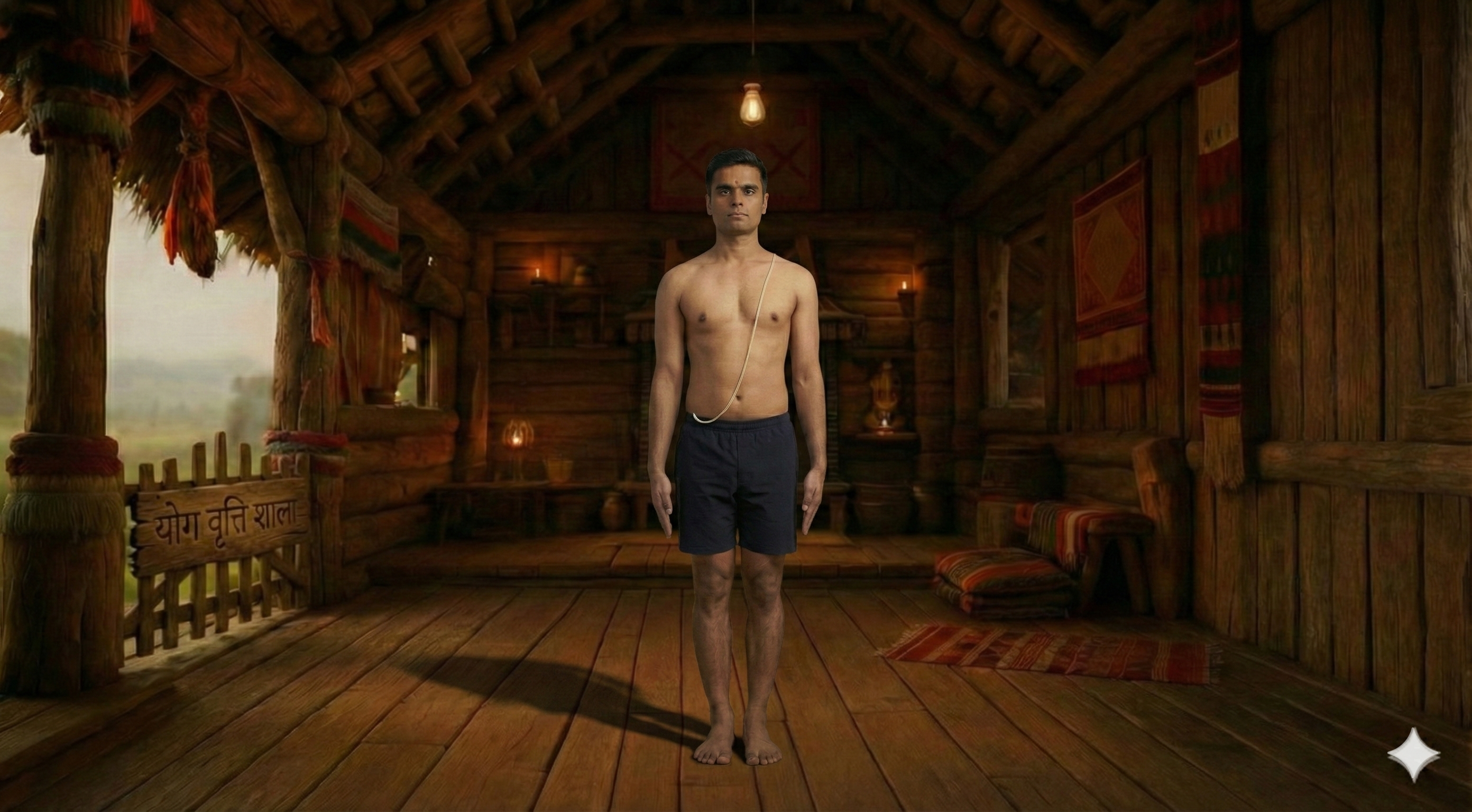
Mountain Pose Side Variation
Parsva Tadasana · पार्श्व ताड़ासन
Also known as: Side Mountain Pose
Mountain Pose Side Variation, also called Side Mountain Pose is a classical yoga posture. Its Sanskrit name Parsva Tadasana translates word-for-word as: Parsva (Side / Lateral) · Tadasana (Tadasana) · Asana (Pose). From a standing position, the body roots firmly through the feet while the spine extends upward. The posture works to engage the obliques. Quick warm-up. Can do anywhere. It is particularly valued for alleviating back discomfort and improving overall posture. Suitable for beginners and regular practitioners alike, it is an excellent warm-up, particularly beneficial for beginners and seniors. Practitioners with spinal injury should approach with care or consult a qualified teacher.
Anatomy Involved
Benefits
Intrinsic Foot Muscles(stabilizing | grounding)
As the body shifts laterally, even subtly, in Parsva Tadasana, the intrinsic foot muscles must adjust their intricate balance to counteract this new vector of force. They work more actively to grip the earth, preventing any tendency to lean excessively onto the inner or outer edges of the feet, thereby maintaining the stable foundation crucial for an integrated side stretch. This refined engagement ensures a balanced distribution of weight, even as the upper body moves.
Quadriceps(strengthening)
The large muscles on the front of your thighs (quadriceps) are subtly yet powerfully engaged in Tadasana, lifting the kneecaps and firming the thighs towards the bone. This action prevents hyperextension of the knees, creating a stable platform for the pelvis and spine. Through this mindful engagement, we cultivate a sense of unwavering strength in the legs, which in yogic terms, helps to solidify the earth element within the body, fostering stability and self-reliance. It teaches the legs to be both strong and intelligently responsive, rather than passively locked.
Erector Spinae(lengthening | stabilizing)
In Parsva Tadasana, the erector spinae muscles on the side of the body being lengthened undergo an eccentric stretch, allowing the lateral flexion while still maintaining spinal integrity and preventing collapse. Conversely, on the compressing side, they subtly contract to support the vertebral column, ensuring the bend is even and avoids undue pressure on the intervertebral discs. This dynamic engagement differs from their more uniform, isometric stabilization in Tadasana.
- Full anatomical benefits — muscles, joints, organs →
Avoid If
Back Injury / Back Pain
Spinal flexion, extension, or rotation under load can compress vertebral discs or strain the paraspinal muscles.
Engage the core before any movement, keep a slight bend in the knees, and avoid locking the lower back.
Common Mistakes to Avoid
Teaching Cues
For yoga teachers — verbal cues to guide students
6 cues
Teaching Cues
For yoga teachers — verbal cues to guide students
- 1Stand with feet together, big toes touching, heels slightly apart
- 2Distribute weight evenly across all four corners of each foot
- 3Engage the quadriceps and lift the kneecaps without locking
- 4Tuck the tailbone slightly and lift the pubic bone toward the navel
- 5Roll the shoulders back and down, arms alongside the body with palms facing forward
- 6Lift through the crown of the head as if a string is pulling you skyward
Pose Details
Helps With
Pose Type
Body Focus
Focus Areas
Best For
Yoga Styles
When to Practice
Position
Target Areas
Practice Flow

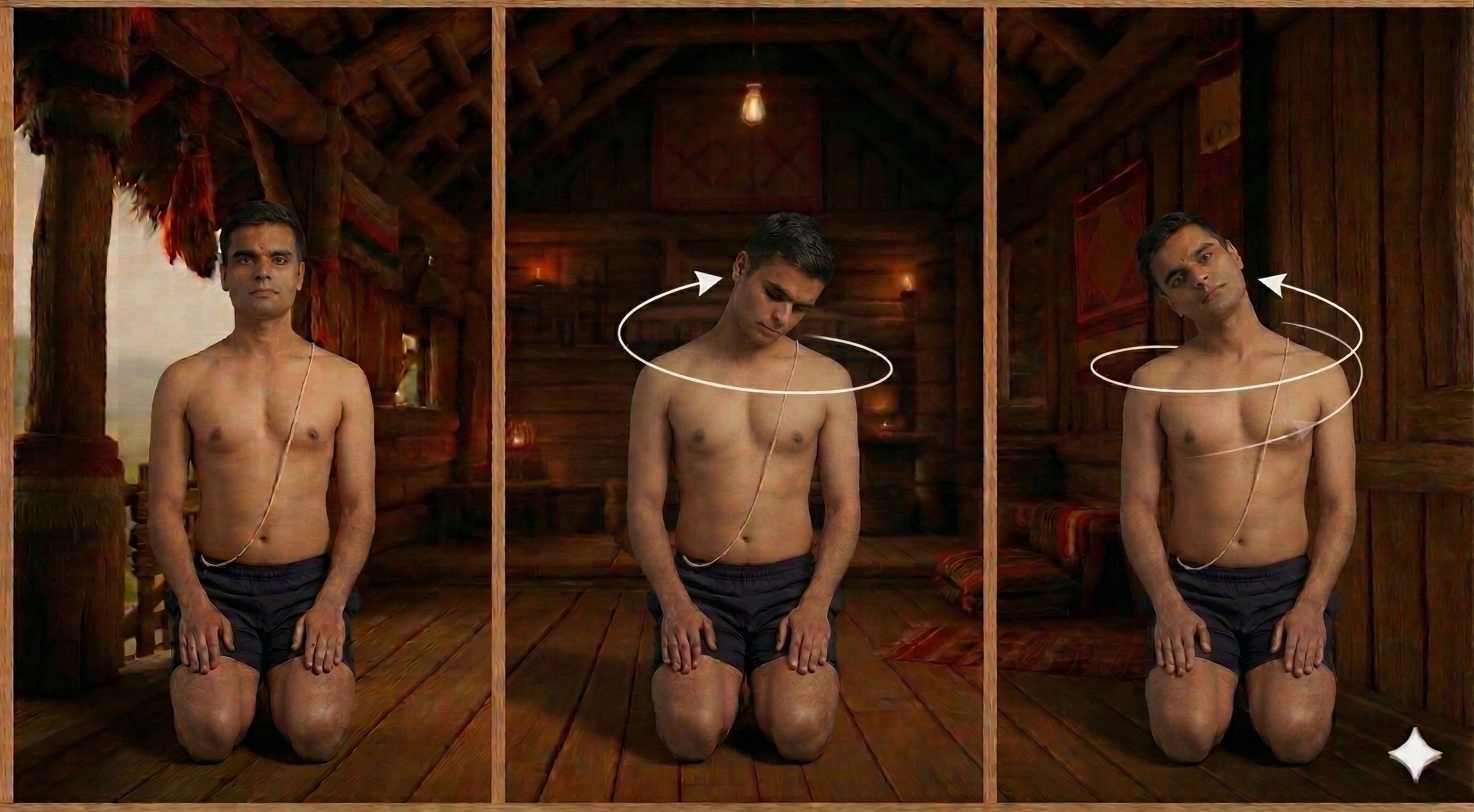

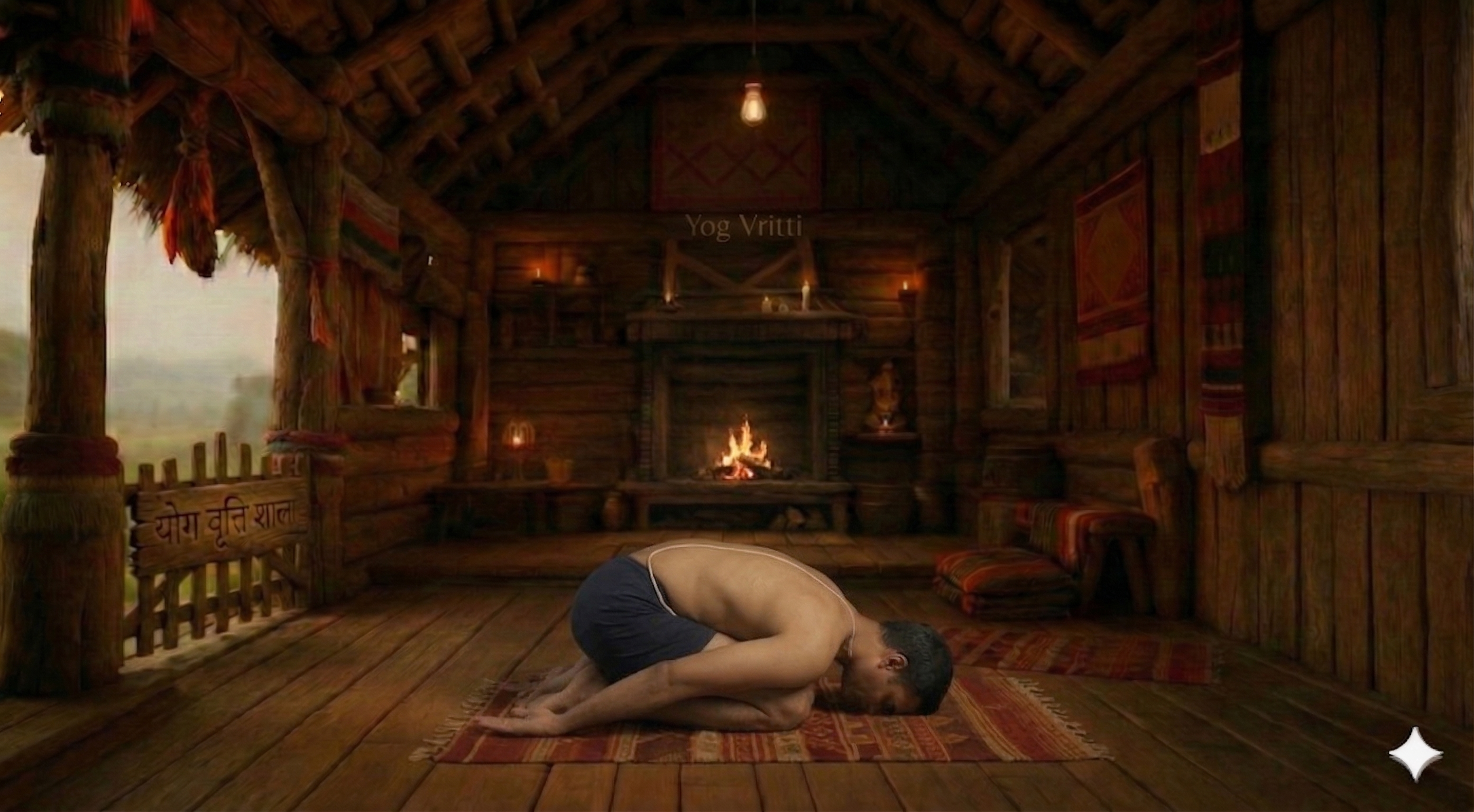
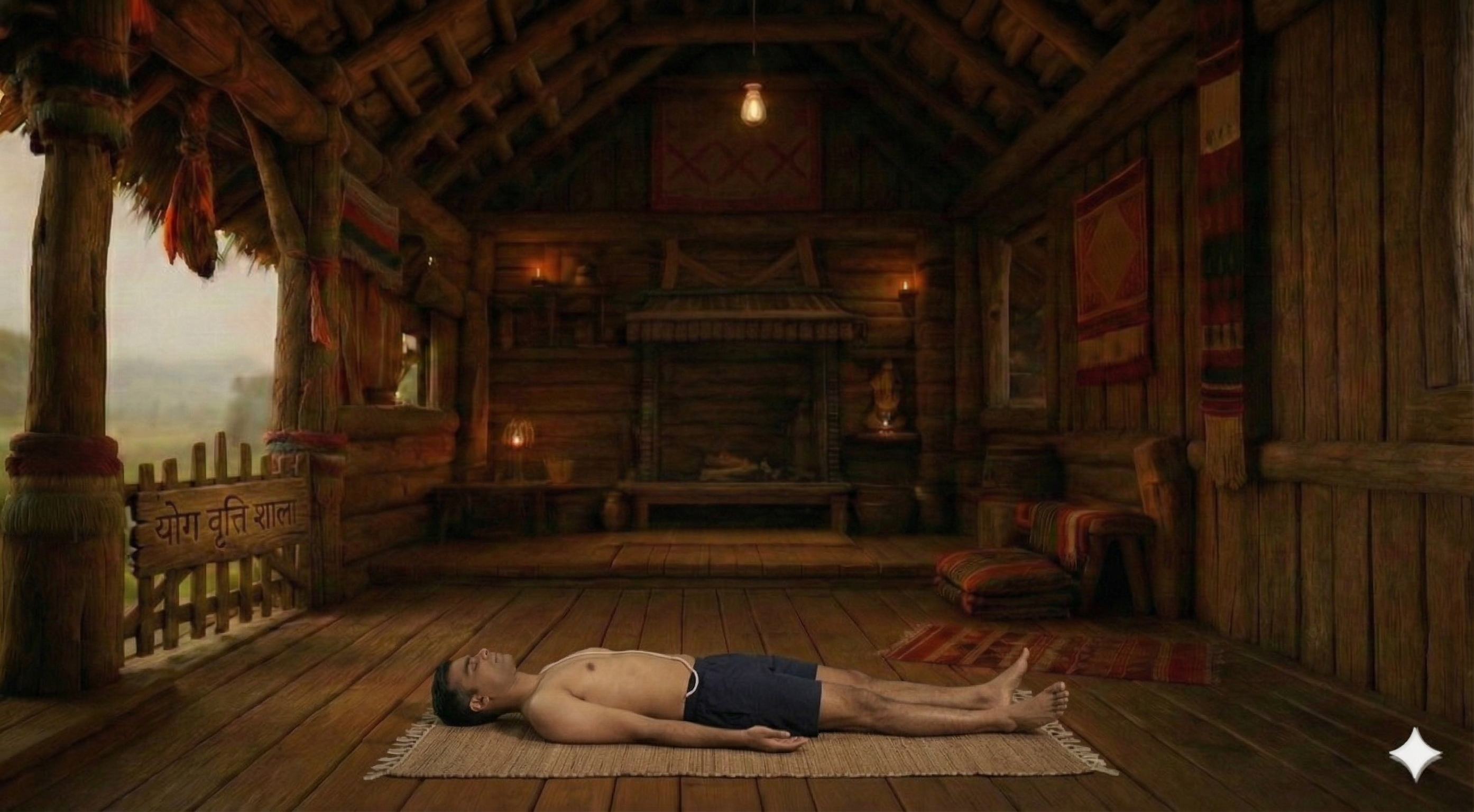
How to Practice
1. Tadasana.
2. Arms up, palms together.
3. Exhale, bend to the right.
4. Stretch in left side.
5. Hips centered — don't shift.
5 more steps remaining
Register free to see the complete instructions
Register Free to ContinueAlready registered? Login
Frequently Asked Questions
Common questions about Parsva Tadasana
What is Mountain Pose Side Variation?
Mountain Pose Side Variation, also called Side Mountain Pose is a classical yoga posture. Its Sanskrit name Parsva Tadasana translates word-for-word as: Parsva (Side / Lateral) · Tadasana (Tadasana) · Asana (Pose). From a standing position, the body roots firmly through the feet while the spine extends upward. The posture works to engage the obliques. Quick warm-up. Can do anywhere. It is particularly valued for alleviating back discomfort and improving overall posture. Suitable for beginners and regular practitioners alike, it is an excellent warm-up, particularly beneficial for beginners and seniors. Practitioners with spinal injury should approach with care or consult a qualified teacher.
What are the benefits of Mountain Pose Side Variation?
Opens side body. Quick warm-up. Can do anywhere. Relieves desk tension.
Who should avoid Mountain Pose Side Variation?
Avoid this pose if you have: Spinal injuries.
How many steps are in Mountain Pose Side Variation?
Mountain Pose Side Variation is practiced in 10 steps. Tadasana.
Is Mountain Pose Side Variation suitable for beginners?
Yes, Mountain Pose Side Variation is a beginner-friendly pose suitable for all levels.
What conditions does Mountain Pose Side Variation help with?
Mountain Pose Side Variation is therapeutic for: back pain, posture correction.
What poses should I do before Mountain Pose Side Variation?
Prepare with: Tadasana, Shoulder Rolls, Neck Rolls, Tadasana Variation: Heel Raises. These warm up the relevant muscles and joints.
Build Your Own Sequence
Combine Parsva Tadasana with other poses